

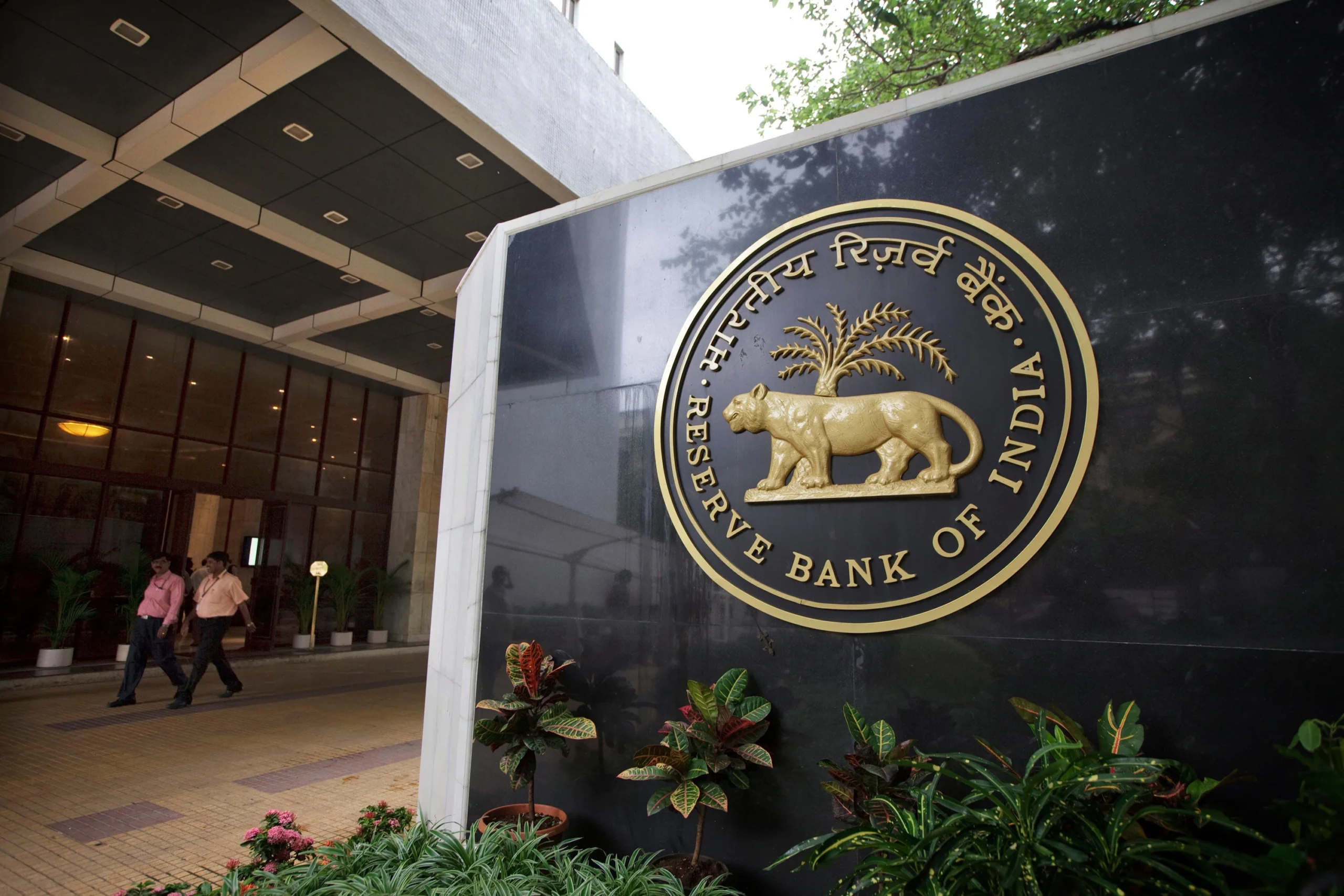

A set of guidelines for upper-layer non-banking financial organisations (NBFCs) was released by the Reserve Bank of India on June 24. These guidelines replaced the previous set of parametric scoring system.
In accordance with the revised guidelines, NBFCs that might be eligible for inclusion in the upper-layer category would now be identified using an asset-size criterion of Rs 1 lakh crore and above. A scoring technique based on size, connectivity, and complexity was used in the previous framework to identify upper-layer entities.
The Tata group’s holding company, Tata Sons, which is registered as a core investment company (CIC) and has assets well over the required amount, will now be highlighted.
The RBI stated that rather than every five years as suggested in the draft framework, the Rs 1 lakh crore level will be reviewed every three years. These regulations will take effect on June 24.
For infrastructure finance companies (IFCs), which fall under the upper-layer category, the RBI has also updated a few exposure standards. For these NBFC-IFCs, the high exposure framework limit will rise from 35 percent to 45 percent of their capital base.
Additionally, the central bank said that government-owned NBFCs, which are eligible, will now be considered for inclusion in the upper-layer category, even as government-owned NBFCs will not be required to list on the stock exchanges.