

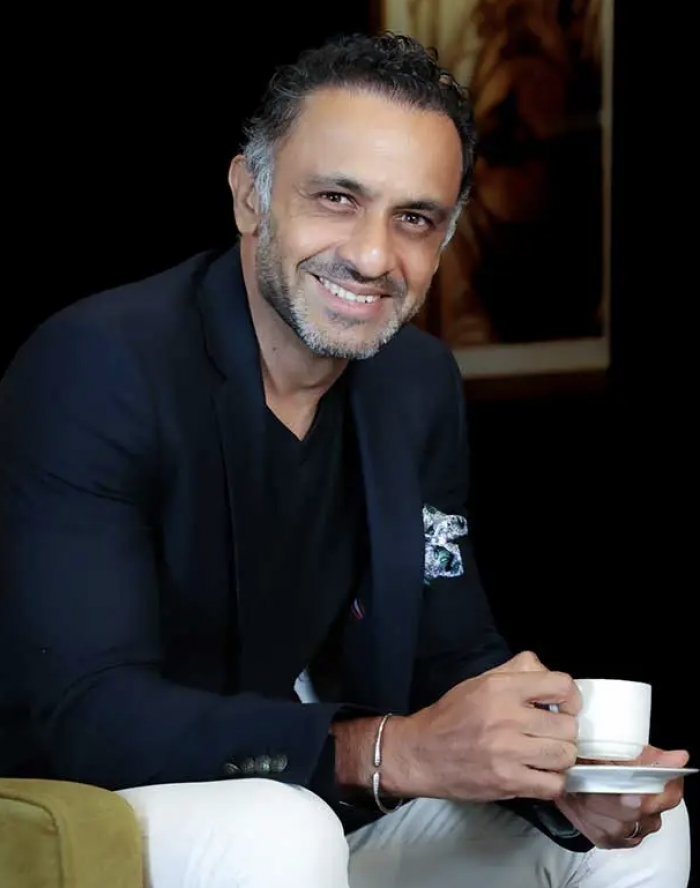


Julien Bergue is co-founder and managing partner for the Middle East and CIS at Valor Hospitality Partners, where he has helped establish a third-party management platform across a region extending from the Gulf to Central Asia. With two decades in hospitality and 17 years focused on project development, he operates at the boundary between investment concept and hotel performance.
Bergue co-founded Valor’s regional operation in 2018. Since then, the business has assembled a pipeline of about 3,900 keys across Saudi Arabia, Oman, Kuwait, Bahrain, Uzbekistan, Georgia, Pakistan and Kazakhstan. The geographic range reveals the strategy: enter markets where owners need international operating capability but may prefer an independent manager capable of working with different brands.
His model separates the flag from the operator. A hotel can use a global brand under franchise while Valor manages the asset on behalf of the owner. That structure can improve transparency and create competitive tension, but it places substantial responsibility on Bergue’s team. They must understand brand standards, local labour, revenue strategy, pre-opening and owner reporting across multiple jurisdictions.
The agreement to operate a six-hotel cluster at Deira Waterfront in Dubai, involving Accor brands and Investment Corporation of Dubai assets, demonstrates the platform’s growing credibility. Cluster management can create efficiencies in leadership, sales, procurement and shared services, but it also requires clear positioning so that individual hotels do not cannibalize one another. Bergue’s development background helps connect the commercial plan to operating design.
Valor’s partnership with Campbell Gray adds another dimension, bringing boutique luxury and distinctive brand thinking into the regional portfolio. This matters because third-party management can otherwise appear purely functional. Owners increasingly want creativity and asset differentiation alongside controls. Bergue must prove an independent operator can deliver both.
The pipeline will test organizational depth. A management company can sign contracts faster than it can develop general managers, finance leaders and commercial teams. Emerging markets add regulatory and supply-chain complexity. Bergue’s next phase is therefore about institution-building: common systems, regional hubs and talent mobility strong enough to support growth without losing owner intimacy.
His influence lies in widening the choices available to hotel investors. Owners no longer need to accept a single bundled solution for brand and management, nor build an operating company from scratch. Bergue has helped make the independent-manager model credible across the Middle East and CIS. As capital flows into new tourism markets, that flexibility can improve project viability and raise the quality of operating accountability.
His development experience also allows Valor to enter before an asset opens. Operator input can improve room layouts, kitchen flows, staffing ratios and technology choices, preventing design decisions that burden the hotel for years. Bergue’s credibility with owners is strongest when the company is willing to challenge expensive features that add little guest value. This advisory role turns third-party management from a post-construction appointment into a form of risk control.
Central Asia will be an important proving ground. Growth prospects are strong, yet destination awareness, air access and professional talent vary widely. Bergue cannot transplant a Gulf operating structure wholesale. He needs local partnerships and leaders who understand language, regulation and customer behaviour. If Valor succeeds there, it will demonstrate that the platform is genuinely international rather than a Middle Eastern company following familiar investors abroad.