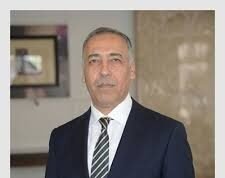




Paul de Salis became chief executive of RoyalJet in 2025, bringing 41 years of experience across business and scheduled aviation to one of the Middle East’s best-known premium charter operators. The Abu Dhabi-headquartered company operates a fleet of about 15 aircraft and provides private charter, aircraft management and medical evacuation, while managing VIP terminal operations at Zayed International Airport and an international base in San Marino.
His long career matters because business aviation is not a simplified version of an airline. Customers expect privacy, flexibility and highly individualized service, yet the operation remains governed by strict safety, maintenance, crewing and regulatory requirements. De Salis must ensure that exceptional requests are handled without allowing customization to weaken control.
RoyalJet’s position in Abu Dhabi gives it access to government, corporate, diplomatic and high-net-worth demand, but it also carries reputational expectations. The brand must reflect the capital’s standards of hospitality and discretion. De Salis is responsible for aligning aircraft presentation, crew service, ground handling and the digital journey into a consistent premium experience.
Fleet economics are central. Business jets are capital intensive, and utilization varies by season, route and customer pattern. Aircraft management can expand the platform without placing every asset on RoyalJet’s balance sheet, while charter demand helps owners offset costs. The model depends on transparent relationships and an ability to market capacity intelligently without compromising availability for principal users.
Medical evacuation introduces a very different mission. Speed, clinical configuration and coordination can be life-critical. Maintaining that capability alongside luxury charter demonstrates operational range, but it requires specialist training and partnerships. De Salis’s broad aviation background helps him oversee a business where service excellence and emergency readiness coexist.
The premium market is changing. New wealth, investment links and tourism across the Gulf are supporting demand, while customers increasingly expect seamless booking, connectivity and sustainability information. Operators face scrutiny over emissions and must explore fleet efficiency, sustainable aviation fuel and credible reporting. RoyalJet cannot resolve aviation’s environmental challenge alone, but de Salis can ensure it addresses the issue with evidence rather than silence.
His leadership begins from a strong regional name, yet the next chapter is about disciplined modernization. RoyalJet must deepen customer loyalty, optimize its fleet and maintain safety as the non-negotiable centre of the business. De Salis’s four decades in aviation give him the experience to understand that premium service is not extravagance alone. It is the confidence that every complex detail has already been considered.
The San Marino operation provides a bridge into Europe and a different regulatory and customer environment. De Salis can use it to diversify demand, support aircraft positioning and give clients a broader network, but cross-border complexity requires consistent oversight. Safety management and service standards must remain recognizably RoyalJet even when crews and aircraft operate far from Abu Dhabi.
He also inherits the question of fleet composition. Large-cabin aircraft suit long-range government and group missions, while owner-managed jets may serve different patterns. Too much variety raises training and maintenance cost; too little limits flexibility. De Salis’s scheduled and business-aviation experience should help him assess the network of demand rather than chase aircraft prestige. The best fleet is the one that can be used safely, reliably and profitably.