

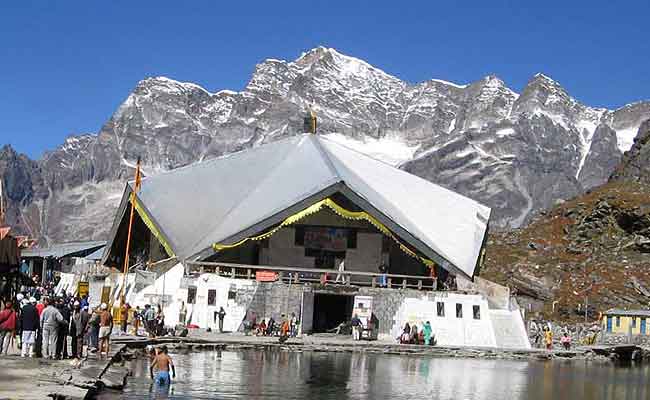

Shri Hemkund Sahib is one of the world’s highest Gurudwaras, rising to a height of 4,632 meters (15,197 ft).
Certain adventures put your endurance to the test, while others change you. Both are accomplished via the journey to Shri Hemkund Sahib, which is situated high in the Garhwal Himalayas of Uttarakhand. This holy shrine, which is encircled by seven snow-capped peaks and next to a glacial lake, is more than simply a place to visit; it’s an encounter with faith, resiliency, and amazing natural beauty. Attracted by its spiritual significance and tranquil surroundings, thousands or possibly lakhs of pilgrims and hikers brave the difficult path to reach one of the highest gurudwaras in the world each summer.
Concerning Hemkund Sahib
Shri Hemkund Sahib is one of the highest Gurudwaras in the world, rising to a height of 4,632 meters (15,197 ft). Built in a distinctive pentagonal shape, the beautiful white marble structure looks out over the immaculate Hemkund Lake, whose placid waters mirror the surrounding mountains.
Despite the frigid weather, pilgrims frequently take a holy bath in the frozen lake as a means of purification. The Guru Granth Sahib is recited every day within the Gurudwara, and devotees are given langars; this practice persists even in extremely high altitudes.
The Yatra’s Religious Significance
Since Guru Gobind Singh Ji, the tenth Sikh Guru, is thought to have meditated here in a past life, Hemkund Sahib is extremely important to the Sikh community. The shrine is a revered pilgrimage place because of its serene surroundings, which enhance its spiritual aura.
The location holds equal significance for Hindus. Lakshman, the younger brother of Lord Rama, is said to have pondered at the location marked by the neighbouring Lakshman Temple. Both pilgrims and hikers looking for spiritual and natural comfort are drawn to this dual religious significance.
Updates and Registration for the 2026 Hemkund Yatra
On May 20, 2026, the first batch (Jatha) of the 2026 Hemkund Sahib Yatra was ceremoniously flagged off from Rishikesh. Nearly 1.11 lakh people have signed up for the journey thus far, according to a PTI report.
While the official opening and closing dates have yet to be announced, the shrine is typically accessible from late May to early October, as heavy snowfall cuts off access during the winter months.
Registration is mandatory for all pilgrims and vehicles undertaking the Char Dham and Hemkund Sahib Yatra. Travellers can register online at the official Uttarakhand government portal: https://registrationandtouristcare.uk.gov.in/signin.php
Steps for Registration:
Step 1: Sign up or access the portal
Step 2: Make a trip that includes the dates, number of travellers, and destinations.
Step 3: Download the registration letter and enter the pilgrim’s information.
Although biometric centers also provide offline registration, online registration is advised to prevent delays.
Difficult Weather
Travel plans may be impacted by the unpredictable weather in the upper Himalayan region. Due to persistent rain, authorities temporarily halted pilgrims’ travel to Badrinath, Kedarnath, and Hemkund Sahib on May 31. This underscores the need of keeping abreast of official advice.
Weather Conditions by Month:
June: Chilly but more tolerable temperatures
July: Rainfall along with a little increase in temperature
August: One of the best months to travel, it’s a little chilly.
September: pleasant with a hint of chill
October: Conditions are quite cold due to a sudden drop in temperature.
How to Get to Hemkund Sahib
By Air
The closest airport is Jolly Grant Airport in Dehradun, which is about 268 km from Govindghat, the trek’s starting point. From there, buses and taxis are available.
By Train
The closest train stations are in Rishikesh, Haridwar, and Dehradun. The nearest railhead is Rishikesh, which is around 200 kilometres distant. From there, cabs and buses can be rented.
From Dehradun:
Dehradun – Rishikesh – Devprayag – Rudraprayag – Karnaprayag – Nandaprayag – Joshimath – Govindghat – Ghangaria – Hemkund Sahib
From Haridwar/Rishikesh:
Haridwar/Rishikesh – Devprayag – Srinagar – Rudraprayag – Karnaprayag – Nandaprayag – Joshimath – Govindghat – Ghangaria – Hemkund Sahib
From Badrinath:
Badrinath – Govindghat – Ghangaria – Hemkund Sahib
From Kedarnath:
Kedarnath – Gaurikund – Guptkashi – Rudraprayag – Joshimath – Govindghat – Ghangaria – Hemkund Sahib
The Trekking Experience Starting in Govindghat
There are two sections to the trip from Govindghat to Hemkund Sahib:
Trek, mule, or palki options are available from Govindghat to Ghangaria (13 km); helicopter services are few.
Ghangaria to Hemkund Sahib (6 km): A challenging climb with opportunities for aid
Since Hemkund Sahib does not offer overnight accommodations, pilgrims must start their descent by 2:00 pm in order to return safely.
Services for Helicopters
Helicopter services are available close to Ghangaria or up to base sites like Govindghat. You have to walk the last distance. Tickets can be purchased via official tourism platforms or approved operators. Early reservations are advised because seats are limited and availability is dependent on the weather. Pilgrims need to be aware of the weather and make sure they are in good health.
Attractions in the Area
Known for its vivid alpine blossoms, the Valley of Flowers is a UNESCO World Heritage Site.
Ghangaria: Hemkund Sahib and the Valley of Flowers’ base camp
Lakshman Temple: A little temple close to Hemkund Lake
Govindghat: An important pilgrim transportation hub
One of the closest Char Dham pilgrimage locations is Badrinath Dham.
The Hemkund Sahib Yatra is both rewarding and challenging. Preparation is crucial because of the hard trip, high altitudes, and erratic weather. However, for those who do it, the trip offers a unique combination of inner peace, devotion, and scenic beauty that few travels can really match.