

Federal Reserve lifts the benchmark rate by 25 basis points to 3.75-4% in first rate hike since July 2023; markets now turn to Kevin Warsh’s guidance, dot plot and outlook for further increases
The US Federal Reserve raised its benchmark interest rate by 25 basis points to 3.75-4 per cent, delivering its first rate hike since July 2023 as persistent inflation and renewed energy-price pressures keep the central bank focused on containing price pressures.
“The Committee decided to raise the target range for the federal funds rate by 1/4 percentage point to 3-3/4 to 4 percent, in support of the Federal Reserve’s dual mandate. The Committee is continuing its policy of maintaining ample reserves in the banking system,” the Fed Policy statement read.
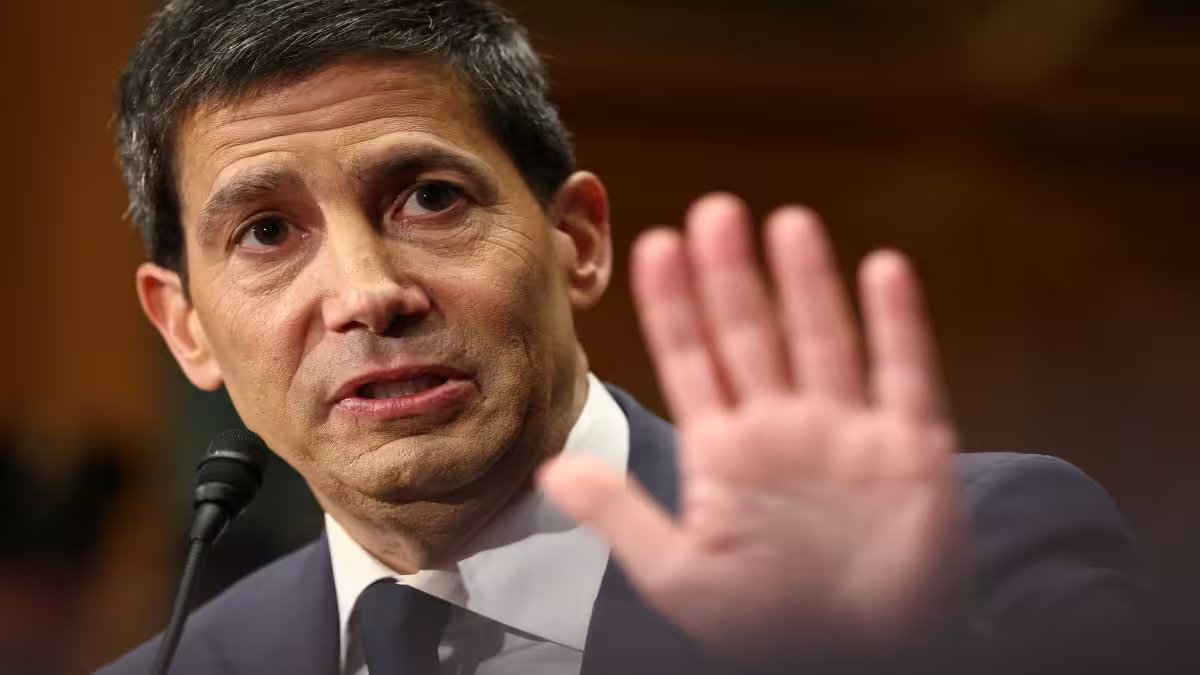
The decision marks the first rate increase under Fed Chair Kevin Warsh, who took over the central bank’s leadership earlier this year.
According to the statement, economic activity is expanding at a solid pace. Warsh sounded the alarmbell on the inflation front and is evident in the policy statement as well. “Inflation remains elevated. Today’s policy action will support a timelier return to the Committee’s 2 percent goal. The Committee will deliver price stability,” the statement mentioned.
The Federal Open Market Committee’s move comes after inflation remained above the Fed’s 2 per cent target, while a sharp rise in crude oil prices has added to concerns about renewed price pressures. Markets had overwhelmingly expected a quarter-point increase ahead of the decision.
 More from Business
The focus now shifts to the Fed’s updated Summary of Economic Projections and dot plot, which will offer fresh clues about the trajectory of US interest rates. Investors will be watching whether policymakers signal additional rate increases later this year and into 2027.
The Fed’s latest decision comes against a backdrop of rising global borrowing costs, elevated Treasury yields and persistent uncertainty over the US economic outlook.
The central bank has already faced competing pressures on inflation and growth. While higher rates can help restrain demand and inflation, tighter monetary conditions can also weigh on investment, housing and employment.
The decision also comes amid heightened attention on the Federal Reserve’s independence after President Donald Trump repeatedly called for lower interest rates.
This is a developing story