


3 min readNew DelhiAug 21, 2026 05:04 PM IST
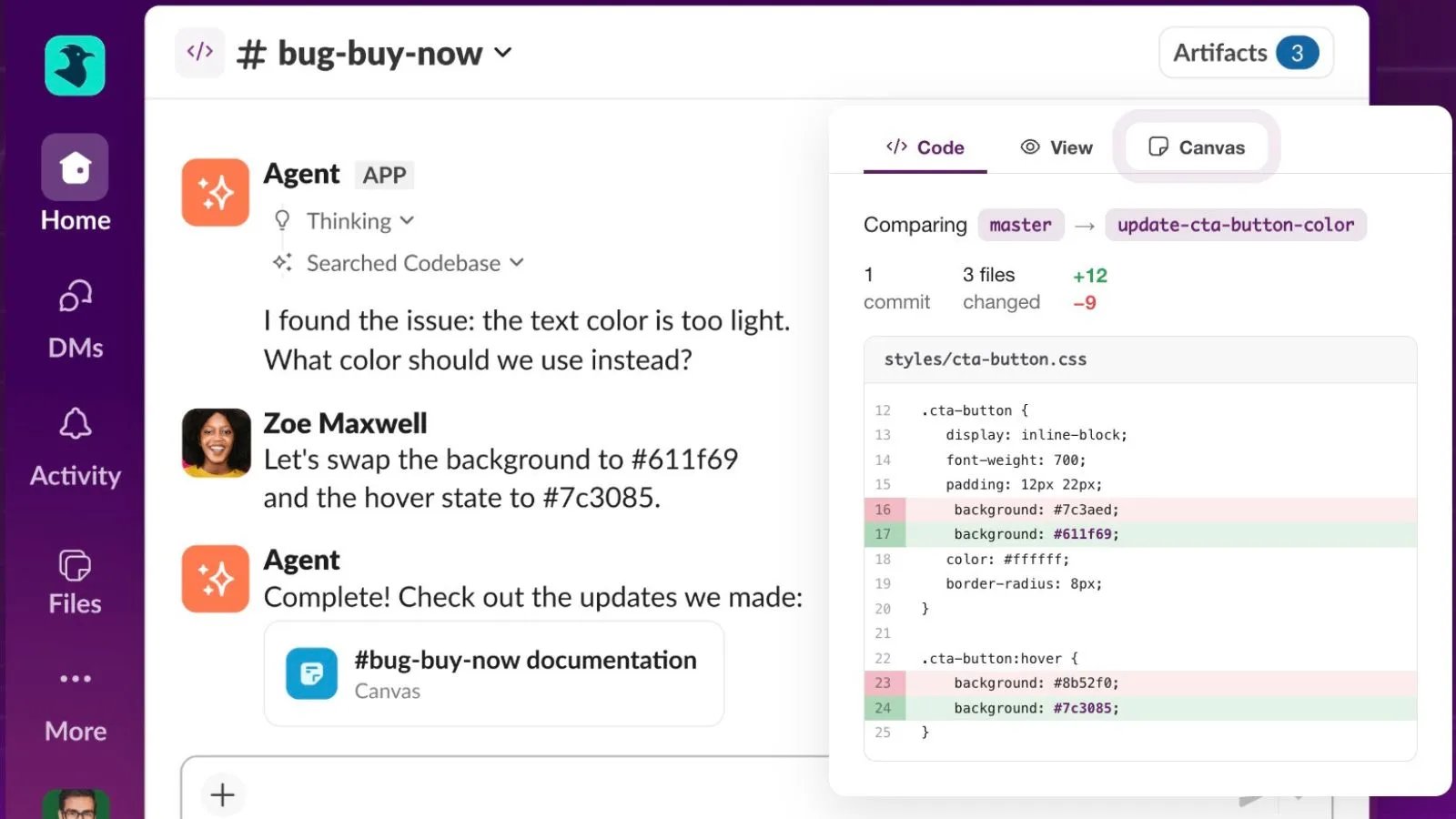
Slack now allows users to develop code via shared rooms directly within the platform. On Thursday, August 20, the cloud-based messaging app for business introduced Slack Code, where AI agents write software and human teammates can view, steer, and direct the session.
The announcement comes at a time when the world is witnessing a boom in AI-assisted coding backed by popular coding agents like Claude Code, Devin from Cognition, GitHub Copilot, etc. These coding agents are making it possible for developers to write and ship code faster than ever. However, amid these advancements, the persistent challenge has been to connect coding projects with the conversations the team is having in one interface.

As of now, work that happens between a user and the agent outside of Slack is invisible to others. In this scenario, the context gets lost between conversations and tools, and reviews happen much later, and every iteration likely slows things down. Slack is solving this, as the new Slack Code is pitched as the place where teams come together and code.
According to the company, while coding agents changed how an individual builds, Slack Code is changing how teams are building transformative projects more collaboratively. In simple words, Slack Code gives teams in an organisation a dedicated place to work together with an agent on a specific coding session or project within Slack.
Slack Code comes with an array of features. Project-based code channels essentially map every code channel to one project, making it focused and tidy. It is live when you need it and can be archived when not in need. It also supports automatic channel creation and archiving, which means you simply need to tag a coding agent from any conversation, and it creates a code channel to handle the task; when the task is accomplished, the channel archives itself with the record intact in the audit log.
Slack Code also brings full visibility and dedicated tabs, meaning everyone in the channel can follow the work as it happens. When it comes to code diffs or changes made, users get to see exactly what is changed. It also allows real HTML output to run live, enabling teams to detect issues before it ships. Slack Code comes with flexible APIs allowing developers to shape how the agent behaves to fit into how their company works.