

3 min readAug 21, 2026 01:32 PM IST
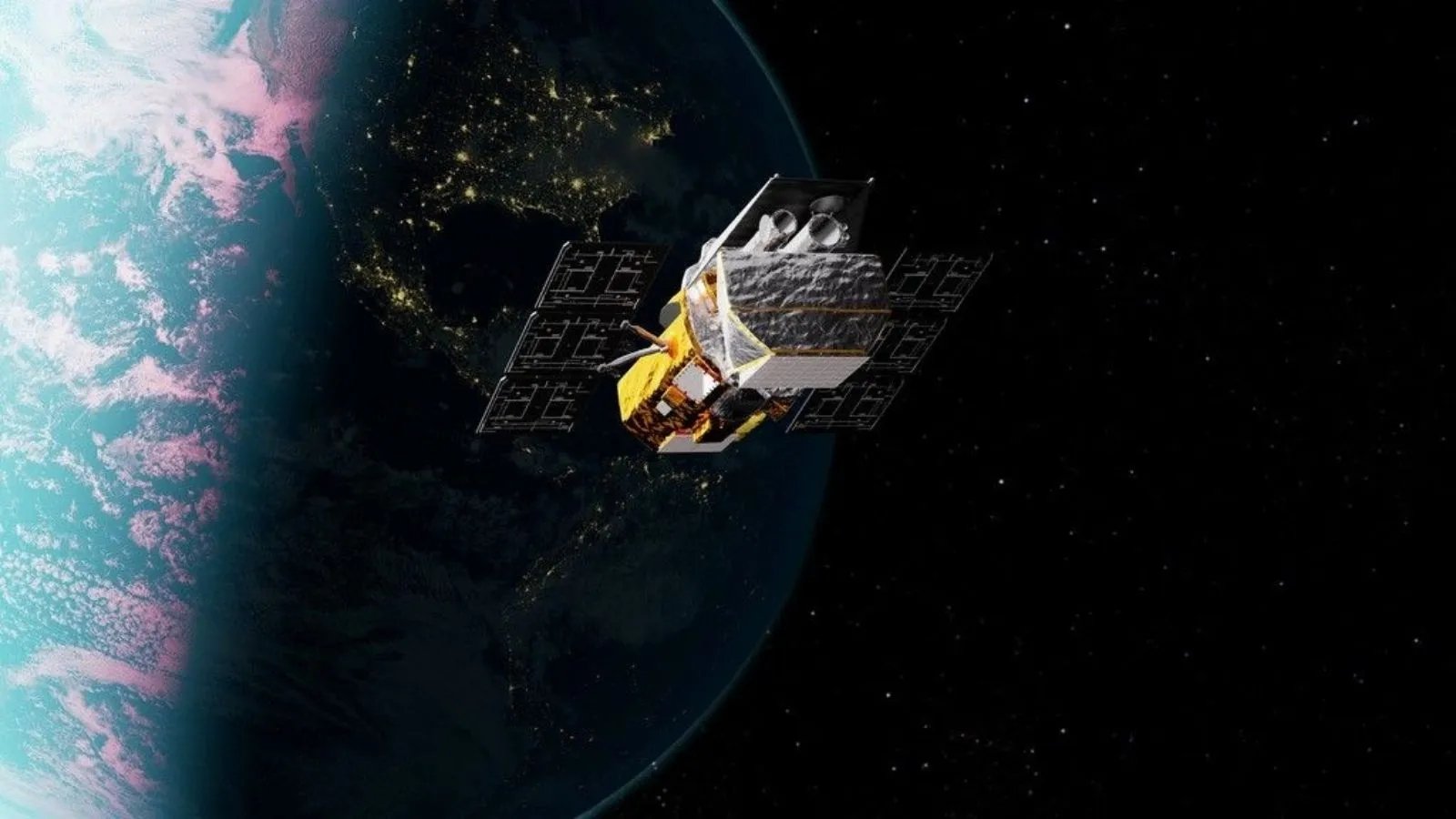
NASA’s Neil Gehrels Swift Observatory is set to re-enter Earth’s atmosphere later this year after a private mission to rescue the ageing space telescope failed.
The $30 million Swift Boost mission was contracted to Arizona-based aerospace startup Katalyst Space in 2025. Its rescue spacecraft, LINK, launched on July 3 to rendezvous with Swift and boost it into a higher orbit. However, the mission ran into problems after launch.

In late July, electrical issues affected two systems responsible for controlling LINK’s orientation, causing the spacecraft to begin spinning uncontrollably. NASA announced on August 19 that the original rescue objective would no longer be pursued.
“This is not the outcome we were working toward, but it does not change why this mission was worth attempting,” NASA administrator Jared Isaacman said in a statement.
Swift has been orbiting Earth since its launch in 2004, studying gamma-ray bursts, some of the most powerful explosions in the universe. Over more than two decades, atmospheric drag has gradually slowed the spacecraft and lowered its orbit.
The situation was further complicated by increased solar activity. As the Sun became more active, Earth’s upper atmosphere expanded, increasing the density of molecules encountered by Swift and accelerating its orbital decay.
NASA described the Swift Boost mission as a high-risk, high-reward effort, with Katalyst given less than a year to develop and execute the rescue mission.
Story continues below this ad
“We knew this was a high-risk, high-reward mission–a first-of-its-kind attempt, developed on an unprecedented timeline driven by the Sun’s activity,” Shawn Domagal-Goldman, director of NASA’s Astrophysics Division, said.
Although NASA has abandoned the original plan to raise Swift’s orbit, the LINK mission has not been completely cancelled. The spacecraft will still attempt rendezvous and proximity operations with Swift to demonstrate technologies that could be useful for future satellite-servicing missions.
NASA and Katalyst will also study data from LINK’s attempted rendezvous to identify lessons for future efforts to service or rescue ageing spacecraft in orbit. “We are going to learn everything we can from LINK’s rendezvous attempt and put those lessons to work on the missions that follow,” Isaacman said.
With no further intervention, NASA expects the Swift Observatory to re-enter Earth’s atmosphere later this year.