

FSSAI has proposed red front-of-pack warnings for packaged foods high in fat, sugar or salt, marking a shift in its earlier stance on nutrition labelling
India’s food regulator has proposed mandatory front-of-pack warning labels for packaged foods and beverages high in fat, sugar or salt, reversing its earlier position after mounting pressure from health activists, consumers and the Supreme Court, Reuters reported on Friday.
The Food Safety and Standards Authority of India (FSSAI) has proposed a red-coloured hexagonal warning symbol for products that are high in any two or more of the three nutrients — fat, sugar or salt — according to a filing submitted to the Supreme Court and seen by Reuters.
The proposed labels would carry clear warnings such as “high fat”, “high sugar”, “high salt” and, where applicable, “highly sweetened beverage”. The regulator said the system would allow consumers to identify products containing high levels of specified nutrients more easily.
The mechanism would also help consumers make “informed food choices”, particularly children and other vulnerable groups, FSSAI said in the filing, the report said.
Why the proposal matters
The move is a significant setback for major food and beverage companies operating in India’s more than $100 billion packaged food and beverages market. Companies including Coca-Cola and industry groups representing firms such as Nestle and PepsiCo have opposed mandatory front-of-pack warning labels, arguing that such symbols could be confusing or ineffective.
 More from Business
The issue has become increasingly contentious as health activists have pushed for clearer warnings on packaged products, citing concerns over obesity and the rising consumption of foods high in sugar, salt and fat.
India has considered front-of-pack labelling for years. But earlier this year, FSSAI dropped a proposal for prominent warning labels and instead backed a black-and-white nutritional information table.
Reuters reported this week that the regulator’s earlier reversal followed strong resistance from food industry representatives during a March meeting. Companies argued that warning labels were simplistic and that consumers should instead be encouraged to control portions.
Supreme Court pressure
The latest proposal comes as the Supreme Court considers challenges by health activists seeking mandatory warning labels.
The court had earlier criticised delays in implementing front-of-pack warnings and urged the government to act swiftly. The judicial pressure has added momentum to a debate that has been running for years between public health advocates and the packaged food industry.
The proposed warning system could have a broad impact because industry estimates cited by Reuters suggest that nearly 80 per cent of products in India’s packaged food and beverages market could be considered high in fat, sugar and salt.
Industry resistance
Food companies and industry bodies have argued that a large number of products could end up carrying warning labels, potentially making the system less useful to consumers.
The industry has also raised concerns about how the proposed thresholds would apply to products containing naturally occurring sugar or other nutrients.
Nestle CEO Philipp Navratil said this week that the company supports front-of-pack labelling for products high in sugar, salt and fat, but said manufacturers should be consulted to ensure the rules are scientifically sound.
The issue has also drawn attention because several multinational food companies already use similar interpretive labels in European markets.
Reuters reported that Coca-Cola and Nestle have voluntarily used such labelling systems in a number of European markets, even as industry groups opposed mandatory warning labels in India.
Consumer backlash
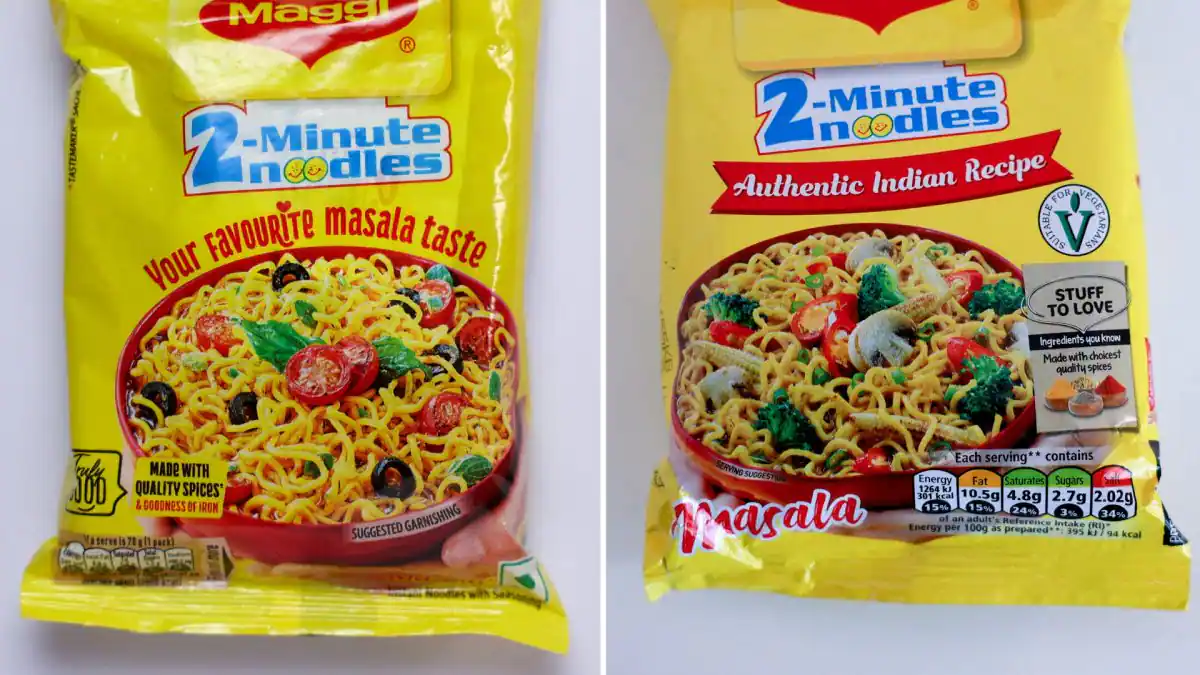
The debate has intensified following Reuters’ reporting on differences between some food and beverage products sold in India and overseas markets.
For instance, Reuters reported that a can of Fanta sold in London contains 63 calories, while a similarly sized version in India contains 185 calories and roughly three times as much sugar. Such comparisons have fuelled criticism on social media over the nutritional composition of products sold in India.