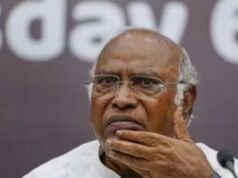

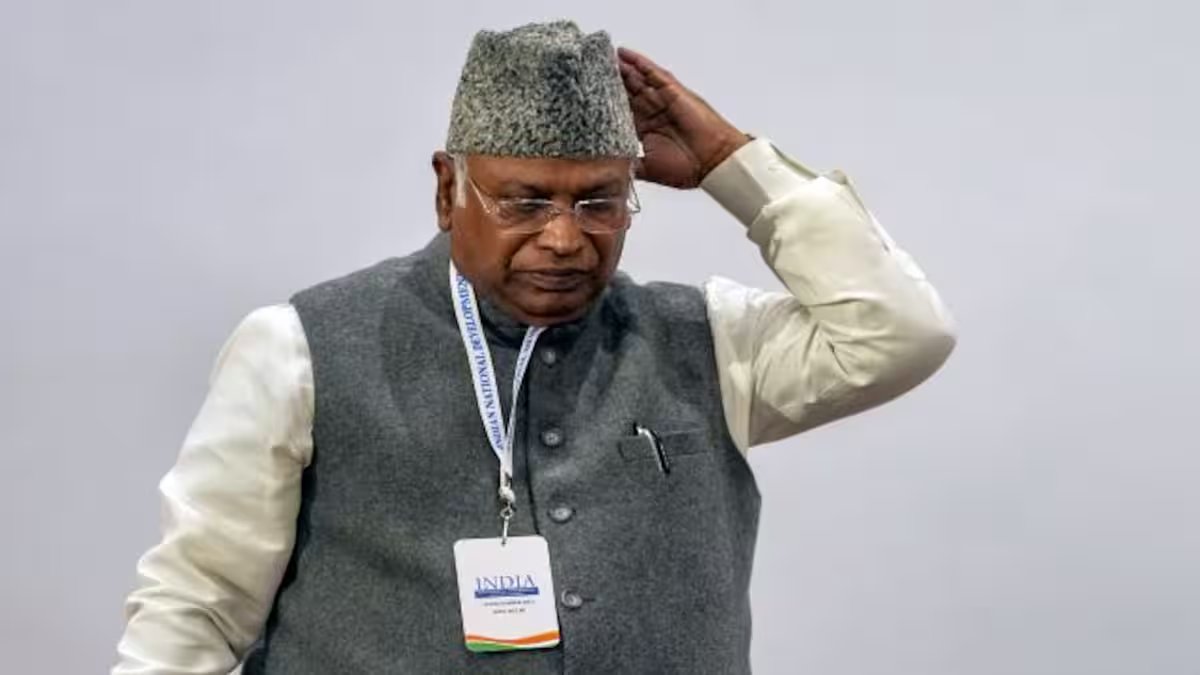


After that, he shifted to national politics and was victorious in two successive Lok Sabha polls (2009 and 2014) from the Gulbarga seat.In 1994, Kharge was appointed the Leader of the Opposition in the Karnataka Assembly, a role he assumed again in 2008.Kharge has served as a minister in six different governments in Karnataka but missed his chance at the chief minister post thrice – in 1999, 2004 and 2013.In 1999, he lost the Karnataka chief minister chair to SM Krishna and had to settle for the home portfolio.Dharam Narayan Singh was made the chief minister in 2004. As per News18, Kharge’s supporters had beseeched him to express his dissatisfaction with Sonia Gandhi and decline the ministerial berth. However, the seasoned leader had rejected their requests, saying he never went against the Gandhis and would not embarrass them.In 2013, Congress came back with a thumping majority in Karnataka and Siddaramaiah was sworn oath as the chief minister.Working as the president of the Karnataka Pradesh Congress Committee in 2005-08, Kharge had delivered Congress the largest number of seats against the then ruling alliance of BJP and JD(S), notes The Hindu.He worked as Union minister in the Manmohan Singh government– first as Labour minister (May 2009-June 2013) and then as minister of Railways (June 2013-May 2014).From 2014-19, he was the leader of the Congress in the Lok Sabha.
Kharge, known as ‘solillada saradara’ (a leader without defeat), suffered the first loss in his electoral career in 2019 when he was trounced by the BJP’s Umesh Jadhav in the Gulbarga Lok Sabha constituency by a margin of 95,452 votes.However, the Congress leadership brought him back to the Parliament through the Rajya Sabha route and he was elected unopposed to the Upper House in June 2020 from Karnataka.In October last year, Kharge saw a rise in stature when he won the Congress presidential elections, receiving 7,897 votes compared just to 1,000 for Shashi Tharoor, while 416 votes were deemed invalid. His win in the party polls made him the first non-Gandhi party chief in 24 years.Can Kharge pose as challenger to Modi?For many, Kharge’s spotless career and widespread acceptability make him a viable contender against Prime Minister Narendra Modi. Many poll pundits note that he is more acceptable than any other leader in the alliance, with the possible exception of Sharad Pawar. From the point of view of non-Congress parties, he is also the most acceptable face from within the Congress.Moreover, he is believed to be a more reasonable person to deal with.But what makes him, perhaps, the strongest contender is his Dalit identity. A follower of Babasaheb Ambedkar, Kharge also shares good equations among Ambedkarite organisations. Additionally, many political leaders as well as pundits believe his caste identity would be the biggest factor in Kharge’s favour. In fact, if he does become prime minister, he would be the first Dalit to occupy the office in India’s history.
Kharge is also known as the face of the South and Karnataka is seen by many as a swing state for the 2024 elections.And just like Modi, Kharge too is known for being a relentless politician – working 24/7 and is approachable.However, despite these factors, it will be a tough task for Kharge to go up against Modi. Possibly one of the biggest factors that go against him is the fact that he doesn’t have resonance in the Hindi heartland. Despite being fluent in Hindi, Kharge is not well known in the region.Another factor that could hurt Kharge is his age. The Congress chief is 80-years-old and his age and lack of charisma (or as the young call it, rizz) may hamper the INDIA bloc’s outreach to the youth and first-time voters. It would also strengthen the BJP’s charge the Congress is not in tune with India’s youth.And lastly, one major factor that goes against Kharge is his party – the Congress. Many within the alliance may not be comfortable with the leader of the bloc coming from a party that is facing electoral defeats one after the other.Only time will tell if Kharge is, in fact, Modi’s contender in the 2024 polls. For now, the alliance itself needs to come together, put aside its differences and chalk out a viable strategy to present itself as an option to voters.With inputs from agencies