

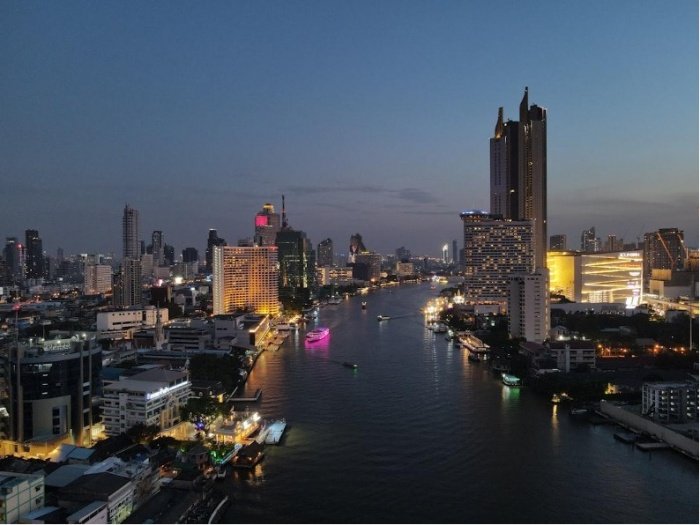


Private guiding used to sit at the bottom of the product sheet. It was the line an agent added when a client asked for something the coach itinerary could not deliver. In Bangkok that ordering has quietly reversed.
Demand has shifted toward small, tailored days built around one household rather than one departure date. Operators such as this Bangkok tour guide sell private days led by licensed, English-speaking local guides. Each day is shaped around the interests of the party rather than a fixed route. The commercial shape of that product differs from a seat on a coach in almost every respect.
This piece looks at the supply side of it. Licensing, capacity and contracting. Also the practical failure points that show up in a programme rather than a brochure.
Why Has Private Guiding Become a Supply Question?
Because the constraint moved. Coaches, hotels and attraction tickets scale predictably, while a licensed individual does not.
A private day consumes one guide for one party. Sell 40 of them in a week and you have committed 40 guide days. That is a different exercise from filling a 40-seat vehicle. Operators that treated guiding as a variable cost are now treating it as inventory.
The macro picture reinforces it. The World Travel and Tourism Council publishes economic impact research on the sector’s contribution to national economies. Growth in that data sits in experiences rather than beds.
How Does Thailand Regulate Its Guides?
Through a national system rather than a local one. Professional guiding in Thailand sits under national tourism and guide legislation. The Department of Tourism administers it.
What the Licence Card Signals
Every working guide carries an identity card issued under that regime. The card records which categories of guiding the holder may perform. It also records where they may work. That makes it a scope document as much as a credential.
Guiding is among the occupations reserved for Thai nationals. A properly licensed Bangkok guide is therefore a local resident, not an imported courier.
For a buyer, this has an obvious consequence. Verifying a supplier means verifying individual cards, not just a company registration.
What Does a Private Day Actually Contain?
More moving parts than the price line suggests. A private Bangkok day is an assembly job, and each component can fail separately.
1. The guide, licensed and language matched to the party.
2. Ground transport, which in Bangkok often means a mix of vehicle, rail and boat.
3. Entry logistics for temples and palaces, including dress requirements.
4. Food routing, which carries dietary and allergen risk in street settings.
5. A contingency plan for heat, rain and traffic, all of which are routine.
Operators who cost only the first line consistently underprice the day. The logistics carry the margin risk, and they are also where a guide earns their fee.
Where Does Bangkok Guide Capacity Come From?
From a fragmented base. The market runs on small operators and individual licence holders. A thin layer of consolidators aggregates them for inbound partners.
That fragmentation is why sourcing conversations happen at trade level. Regional bodies such as the Pacific Asia Travel Association exist partly to connect the layers. National tourism organisations, destination management companies and small suppliers end up in the same room.
Distribution technology is catching up with the same problem. The recent eviivo APAC distribution channel for independent properties is one example. The same plumbing lets small suppliers reach mainstream booking systems.
How Should Operators Contract a Private Day?
Tightly, and in writing. The recurring disputes in this product are about scope rather than price.
– State the guide’s working hours and what an extension costs.
– Name the language standard required, not merely the language.
– Separate guide fees from transport, entries and meals in the quote.
– Record who holds responsibility if a site closes without notice.
– Agree a substitution protocol if the named guide becomes unavailable.
The last point matters more than the rest combined. A private client has usually been sold a person. An unannounced substitution reads as a downgrade, even when the replacement is excellent.
What Is Driving Thai Demand Into 2027?
Policy as much as fashion. The national agenda is being rewritten around value rather than volume. The Thailand 2027 tourism direction from the Tourism Authority of Thailand puts quality of experience first.
Private guiding suits that framing neatly. It raises yield per visitor. It spreads spending into neighbourhoods that coaches never reach. It also produces the word of mouth that markets a destination for free.
Trade buyers should read the shift as structural rather than seasonal. This publication has covered the sector since 1999. Few product categories have moved from margin to centre this quickly.
Frequently Asked Questions
Is a Licensed Guide Legally Required In Thailand?
Professional guiding is a regulated occupation, and guides must hold a valid licence for the work they perform. Buyers should treat the card as a compliance item. Verifying it protects the operator as much as the client.
How Far Ahead Should Operators Block Guide Capacity?
Earlier than for accommodation in peak months. Individual guides are a finite resource and the best ones are booked by repeat partners. Blocking capacity 8 to 12 weeks out is normal for peak departure seasons.
What Usually Goes Wrong On a Private Day?
Scope, heat and traffic, in that order. Most complaints trace back to an unclear finish time or an itinerary that ignored midday temperatures. Both are contracting problems rather than guiding problems.
Does Private Guiding Cannibalise Group Product?
Rarely in practice. The two serve different buyers. Private days often convert clients who would never book a group departure. Most operators run them as complementary lines.
Guiding as a Supply Line
Bangkok has made private guiding a mainstream product rather than a boutique one. That changes what a buyer must check. It also changes how a day is costed and how early capacity is secured.
Treat the licensed guide as inventory and the rest of the programme follows. Treat it as an afterthought and the programme is exposed at exactly the point clients notice.