
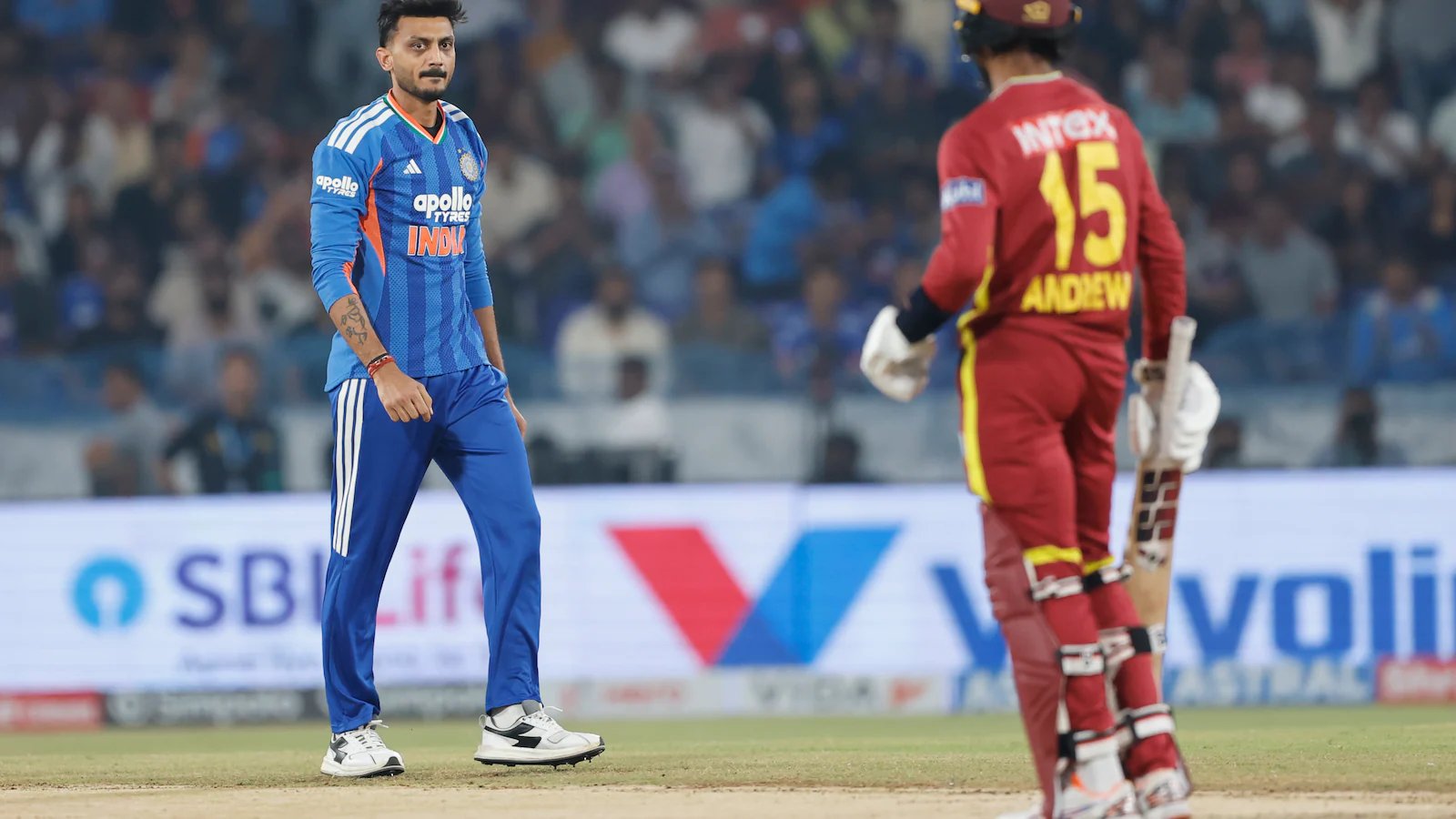


Any cricket series involving India is a money-spinner. Without a doubt, the Indian cricket team has the largest following across the world, thanks to the Indian diaspora. However, Cricket West Indies CEO Chris Dehring has criticised the revenue model for bilateral cricket that allows the host country to retain 100 per cent of a series’ earnings. He cited the ongoing white-ball series against India, from which his nation would “get nothing” out of the expected USD 20 million to USD 30 million (Rs 193-285 crore) in returns.
The West Indies are due to play the fifth and final T20I of the ongoing series on Saturday in Bengaluru.
Speaking to Wisden’s ‘The Scoop’, Dehring said the model adopted in 1997 essentially triggered the demise of the game in the Caribbean.
“West Indies cricket receives nothing in this case, because the series is being played in India. A series that could generate USD 20 million to USD 30 million in India brings West Indies cricket no revenue,” Dehring said.
“To understand how this happened, you have to go back to 1997. I was fortunate, or unfortunate, to be around when the ICC member countries voted to change the financial model that underpinned world cricket.
“Until then, West Indies was a very attractive team, and everybody wanted us to tour. We would receive a touring fee, which was often worth more than we could earn by hosting a series in the Caribbean,” he recalled.
Dehring said CWI was outvoted on the ICC board at the time, causing lasting damage to the game in the Caribbean islands.
From being a robust cricketing powerhouse, the West Indies have declined across formats. CWI has also faced repeated financial crises and player dissatisfaction over wages, leading to revolts and a growing trend of T20 freelancers in the region.
The board was recently forced to announce pay cuts and shorter contracts for its players because of persistent financial difficulties.
“It (the 1997 decision) was palpably unfair. We were outvoted nine to one by the ICC member countries. At the time, I said that this decision had effectively signed the demise of West Indies cricket because it took away our main source of income,” Dehring said.
“That meant India could retain the revenues generated by a population of one and a half billion people, while West Indies could retain whatever revenues we could generate in Antigua, with its population of around 100,000, or St Kitts, with around 30,000,” he explained.
Former CWI president Dave Cameron has also made similar assertions in recent media interactions, describing the revenue-sharing model as frustrating.
The West Indies’ current share of overall ICC revenue is about 5 per cent, while India receives the largest share, at a little over 38 per cent, owing to its larger market and higher revenue generation.
Featured Video Of The Day
India Ends CWG Boxing Campaign With Record-Breaking Seven Gold Medals
Topics mentioned in this article