

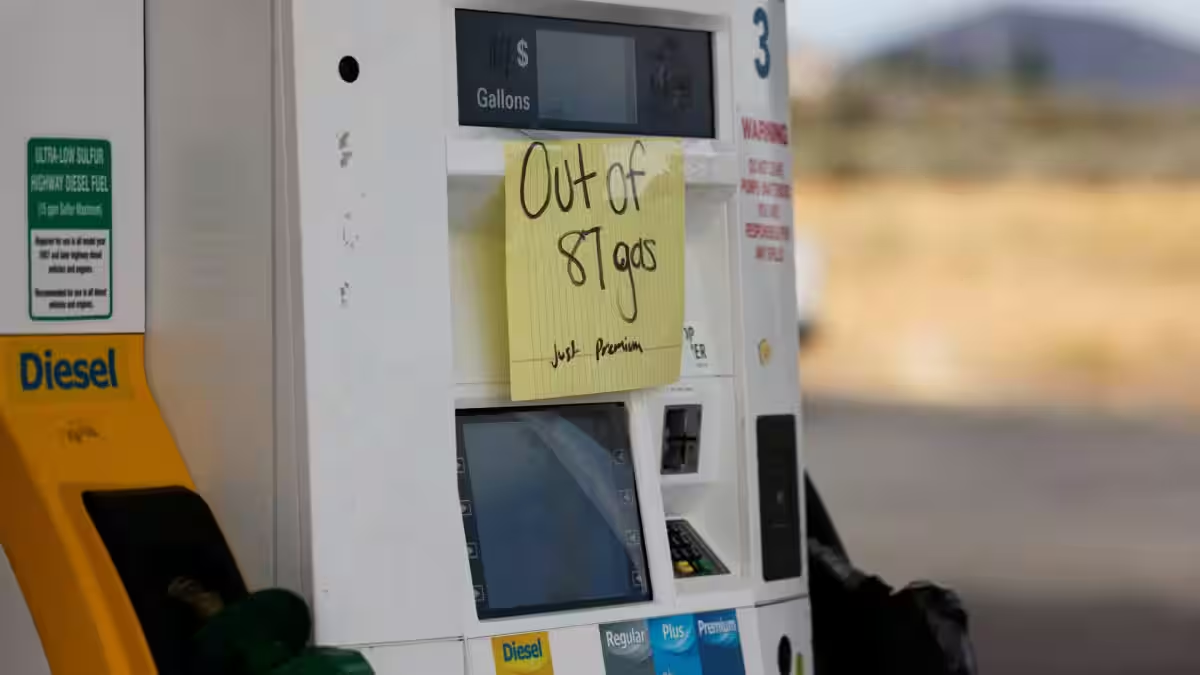

Record diesel prices are raising the cost of moving goods across the US, with the impact potentially spreading to food, deliveries and consumer prices
The average price of diesel in the United States climbed to a record $5.85 a gallon on Friday as the prolonged war with Iran continued to disrupt global energy supplies, adding to pressure on transport companies, businesses and consumers.
Diesel is a key fuel for the US freight network, powering trucks as well as parts of the rail, shipping and agricultural sectors. A sustained rise in diesel prices can therefore feed into transportation costs and, eventually, the prices of goods ranging from food and clothing to furniture and other consumer products.
According to AAA data cited by The Associated Press, the national average for diesel was about $3.76 a gallon before the United States and Israel launched their war against Iran in late February. The latest price represents an increase of more than 55 per cent from that level.
The surge has coincided with higher crude oil prices as the conflict disrupts oil production, trade routes and tanker traffic in the region. Brent crude, the international benchmark, was trading above $95 a barrel on Friday, compared with roughly $70 before the war.
Why diesel matters to consumers
Fuel costs are particularly important for the food supply chain. Diesel is widely used in farm machinery and fishing vessels and is also essential for moving agricultural and food products by truck, rail and ship.
 More from Business
The Independent Grocers Alliance estimates that fuel can account for around 15 to 30 per cent of the total cost of food. That means a prolonged increase in diesel prices could eventually put additional pressure on grocery bills, although the impact can take time to move through supply chains.
Perishable products are especially exposed because they need frequent transportation and, in many cases, temperature-controlled storage and delivery.
The impact is already extending beyond traditional freight. Higher fuel and logistics costs have prompted delivery companies and online businesses to introduce or adjust surcharges during the conflict.
Gasoline prices also climb
US gasoline prices have risen as well, although less sharply than diesel. AAA data showed regular gasoline averaging around $4.15 a gallon on Friday, up from about $2.98 before the Iran war and approximately $3.20 at the same time last year.
Diesel typically costs more than gasoline because of differences in refining, supply and demand. Its importance to commercial transportation also makes demand less flexible when prices rise.
The latest fuel shock comes as the US economy is already dealing with elevated living costs. If diesel prices remain high for an extended period, higher freight expenses could gradually feed into consumer prices, increasing the economic and political pressure ahead of the November midterm elections.