
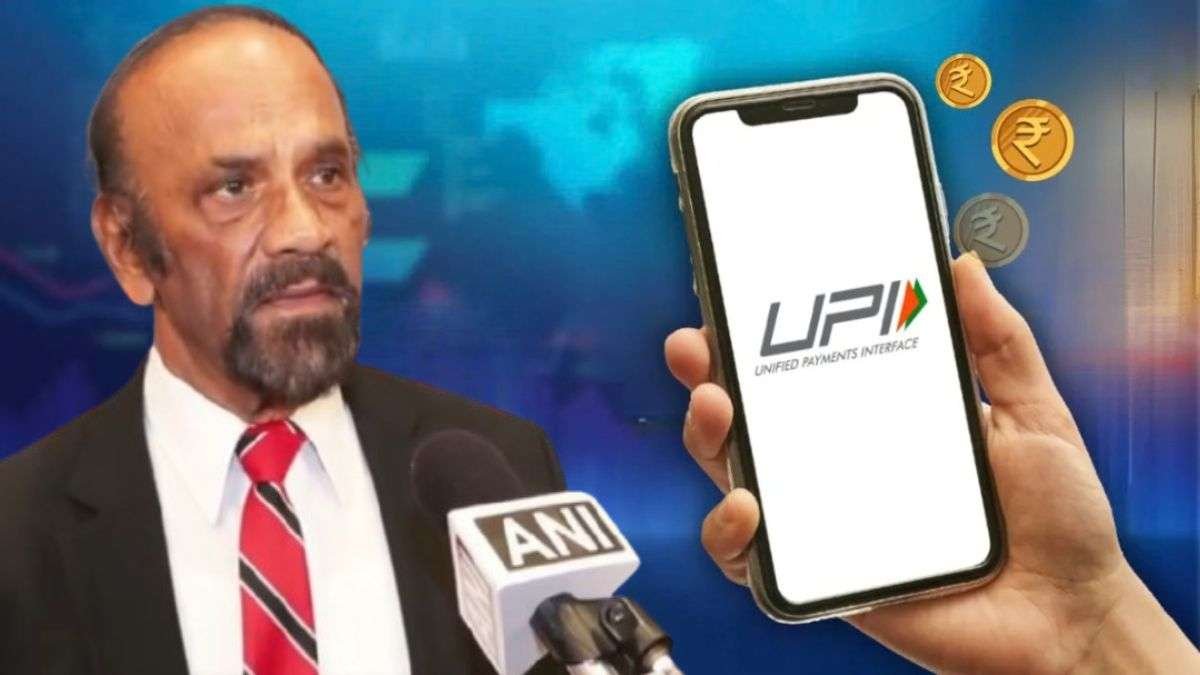

Trinidad and Tobago is set to become the first country in the Caribbean region to adopt India’s Unified Payments Interface (UPI). This will mark another major step in the international expansion of India’s digital payments technology. The development was confirmed by Trinidad and Tobago’s High Commissioner to India, Chandradath Singh, who said the country was actively pursuing the implementation of the UPI-based payment system. The initiative is being taken forward under an agreement between NPCI International Payments Limited (NIPL) and Trinidad and Tobago’s Ministry of Digital Transformation. The partnership is aimed at creating a real-time and efficient digital payments ecosystem in the Caribbean nation, with India’s UPI technology serving as the model. The agreement was exchanged in September 2024 and the rollout process is currently underway.
How UPI will transform digital payments in Trinidad and Tobago
The planned platform is designed to support fast digital transactions and modernise Trinidad and Tobago’s financial infrastructure. According to the agreement, the system is expected to facilitate person-to-person and person-to-merchant payments, while also improving interoperability among financial institutions. The partnership also provides for technical expertise, knowledge sharing and capacity building. Trinidad and Tobago will retain ownership of its payment platform, while NIPL will support the country in developing the technology and expertise required to operate and improve the system.
The initiative is expected to help reduce dependence on cash, improve the efficiency and transparency of payments and support greater financial inclusion. It could also create new opportunities for digital commerce and make transactions more convenient for consumers and businesses.
List of countries using India’s UPI:
- Bhutan
- Nepal
- Singapore
- United Arab Emirates
- France
- Mauritius
- Sri Lanka
- Qatar
- Cambodia
- Greece
- Maldives
India-Trinidad and Tobago ties gain fresh momentum
The UPI initiative comes amid broader efforts to strengthen relations between India and Trinidad and Tobago. Singh said Prime Minister Narendra Modi’s recent visit to Trinidad and Tobago resulted in the signing of six MoUs and agreements covering areas including trade, investment, technical cooperation and people-to-people ties.
The two countries are also marking 64 years of diplomatic relations. Their relationship has a much older historical dimension, with Indian indentured labourers arriving in Trinidad 181 years ago. The Indian-origin community has since become an important part of Trinidad and Tobago’s social, cultural and political landscape. “The level of interaction and collaboration between our friends is strong and mutually beneficial to both of us,” the High Commissioner said.
Energy remains a key pillar of economic partnership
Trinidad and Tobago is also looking to diversify its economy beyond its traditional dependence on the energy sector. Singh highlighted the country’s long-standing role in the oil and natural gas industry, noting that it has been involved in the oil business since 1908. He said natural gas production had remained around 3.3 billion standard cubic feet per day over the past five years.
According to the High Commissioner, the energy sector contributes an estimated 35.7 per cent of Trinidad and Tobago’s GDP and accounts for around 78 per cent of its exports. The country is seeking investments across sectors including manufacturing, agriculture, tourism, biotechnology and creative industries. Singh also referred to energy projects involving international companies such as Shell, BP and ExxonMobil, saying these investments could create employment opportunities.
Trinidad and Tobago secures UNSC seat
The country’s growing international role was another focus of Singh’s address. Trinidad and Tobago has secured a non-permanent seat on the United Nations Security Council for the 2027-28 term after receiving 181 votes out of 190 in a single round of voting.
Singh thanked India for supporting its candidature and said the two-year stint would give Trinidad and Tobago an opportunity to contribute to discussions on international peace, security, development and cooperation. Its campaign has focused on issues including the illicit trafficking of small arms and light weapons, measures to combat trafficking of women and children, and the implications of artificial intelligence for global security.
India’s role in healthcare and digital transformation
India has also expanded its engagement with Trinidad and Tobago in healthcare and technology. Singh highlighted the recognition of Indian Pharmacopeia Standards in the country and an agreement to establish an Indian Chair on Ayurveda at the University of the West Indies. India has also supported Trinidad and Tobago through initiatives including the provision of laptops to schoolchildren and medical assistance through the Jaipur Foot programme.
Cricket and Indian heritage strengthen people-to-people ties
Beyond government and economic cooperation, cultural connections continue to play an important role in India-Trinidad and Tobago relations. The High Commissioner pointed to the contribution of the Indian-origin community to Trinidad and Tobago’s political, cultural and social life. Cricket, too, remains a major link between the two countries, reflecting the long-standing sporting relationship between India and the West Indies. The High Commissioner concluded by invoking India’s message of ‘Vasudhaiva Kutumbakam’, meaning “The World Is One Family”, while calling for stronger cooperation between the two nations.
(With inputs from ANI)
Also Read:
What is ‘No UPI Day’? Here’s how mobile retailers plan to protest against MDR charges on October 2