
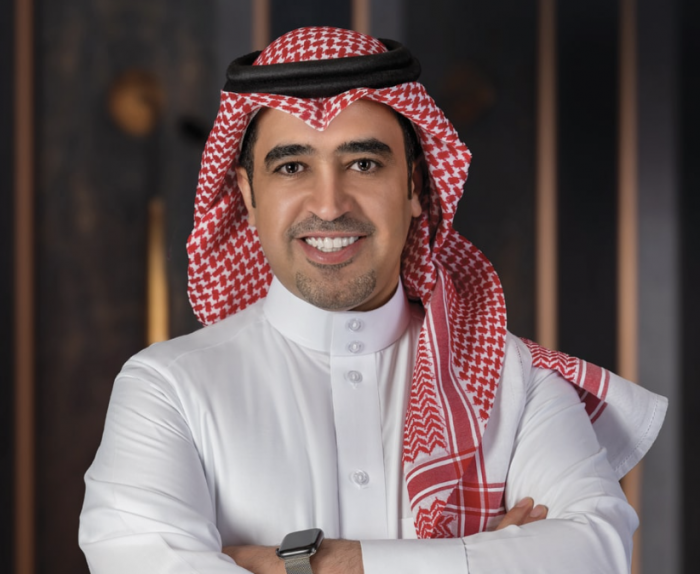


Saudi hospitality is not only being built through new projects. It is also being consolidated into larger national platforms capable of owning, developing and operating assets at scale. Sultan bin Badr Al Otaibi stands at the centre of that process as chief executive of TAIBA.
Al Otaibi began his career in finance before moving through hotel development, operations and partnerships. He became a vice president in 2014 and chief executive of Dur Hospitality in 2019. Following the combination of Dur and Taiba Investments, he took the leadership of the enlarged company in 2024.
That progression gave him direct exposure to the functions now being integrated. Finance taught him how owners judge capital expenditure and returns. Development showed how brand, design and funding decisions lock in future operating economics. Operations revealed where those assumptions survive contact with guests and employees. By the time he became chief executive of Dur, he had worked across the complete asset life cycle.
The merger with Taiba was strategically important because it combined complementary portfolios and created greater exposure to Makkah and Madinah. It also brought together two listed-company cultures, management structures and capital plans. Al Otaibi’s 2025 rebrand was intended to create one corporate identity, but the harder work lies underneath: rationalising systems, clarifying brand architecture and determining which assets should be renovated, developed, partnered or sold.
The integration created a portfolio with significant exposure to Saudi cities and religious travel. In 2025, the company adopted the TAIBA identity as part of a wider corporate transformation. By July 2026, it had more than 43 properties and over 9,000 rooms across 12 brands in seven Saudi cities.
Rebranding is the visible part of a much more difficult assignment. Merging organisations requires the alignment of systems, people, capital plans and owner expectations. Hotel assets may carry different management contracts and operating cultures. Al Otaibi must create portfolio discipline without disrupting properties that serve active markets.
The development pipeline shows the direction. TAIBA has launched or advanced Rixos Obhur, Makarem Burj Al Madinah, Crowne Plaza Riyadh Al Takhassusi and Novotel Madinah, together adding more than 1,300 rooms. Its broader pipeline includes 12 projects such as Waldorf Astoria Al Madinah and Sheraton Madinah. Through Osool, it is also developing three hotels with more than 1,500 rooms.
Madinah is especially important. Rapid growth in religious tourism requires a wide range of accommodation, but development must respond to the movement patterns, service expectations and spiritual purpose of visitors. TAIBA’s Makarem brand gives the company a Saudi platform specifically associated with pilgrimage hospitality, while international brands bring distribution and operating standards.
Riyadh and Jeddah require different propositions. Corporate demand, events, entertainment and domestic leisure are reshaping those markets. A diversified portfolio lets TAIBA place the appropriate brand and capital structure against each opportunity rather than forcing every asset into one identity.
Al Otaibi’s financial background helps with the central challenge: growth must create returns. Construction inflation, land values and high service expectations can strain project economics. The company needs to recycle capital, prioritise renovations and demonstrate that consolidation produces benefits in procurement, distribution and talent.
The enlarged group also needs a stronger Saudi talent pipeline. International brands can supply systems and technical expertise, but hotels in Makkah, Madinah and the kingdom’s growth cities require local leaders who understand service, regulation and the specific needs of domestic and religious travellers. Al Otaibi’s integration programme will be incomplete if it combines assets without creating clearer careers and succession across the portfolio.
TAIBA’s transformation represents a broader shift in Saudi tourism. The sector is developing domestic companies with the balance sheets, management depth and brand partnerships to participate alongside global operators. Al Otaibi has moved through the functions required to build such an institution. His success will be measured not by the rebrand alone, but by whether a larger Saudi hospitality platform can operate with greater consistency, efficiency and ambition than its predecessor businesses did separately.