

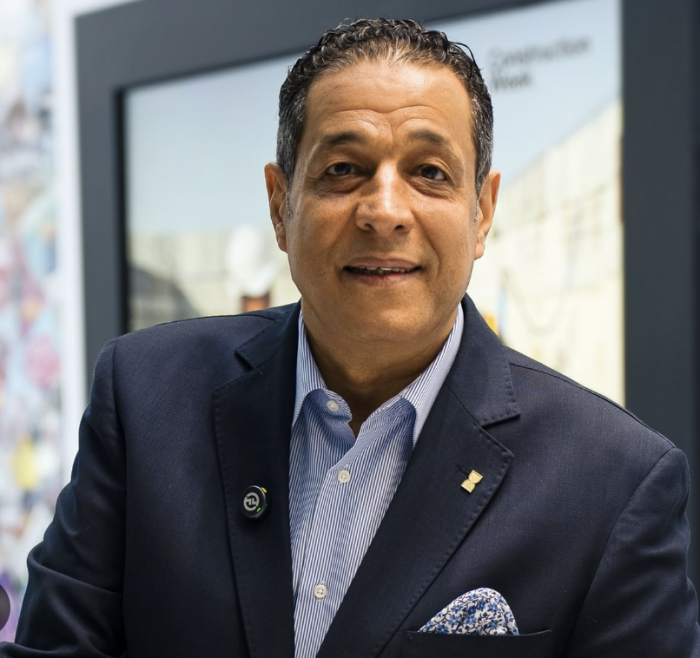


Mohamed Awadalla is co-founder and chief executive of TIME Hotels, a UAE-born operator established in 2012. The group has grown to 17 hotels and around 4,000 keys across seven countries, using a portfolio of hotel and apartment brands aimed at market segments often overshadowed by the Gulf’s luxury openings.
Awadalla’s hospitality career spans more than 30 years, including experience with Mövenpick, Hilton and Rotana. In 2007 he joined a private investment company in the UAE, where he helped develop a hospitality division before co-founding TIME. The transition from international brands to an entrepreneurial operator gave him both structured training and an owner’s sensitivity to returns.
TIME began with six properties and expanded through management agreements. Its model offers owners regional access to operating systems and distribution without the fee structures or rigidity sometimes associated with the largest global chains. Awadalla has developed several formats, including TIME Express, to address changing demand and asset types.
One of the group’s most notable initiatives was TIME Asma, promoted as the region’s first hotel managed by an all-female team. The significance went beyond publicity. It created visible management opportunities for women and challenged assumptions about staffing in the sector. Such initiatives matter when they produce sustained careers and influence practices across the wider portfolio.
Awadalla has also embedded environmental certification into the operating agenda, including work with Green Globe and Green Key. For a mid-market operator, efficiency has direct economic logic. Lower energy, water and waste costs strengthen margins, while certification can give owners and corporate clients a clearer basis for evaluating claims. The challenge is to keep standards rigorous across different countries and building ages.
International expansion brings both opportunity and strain. Markets outside the UAE may offer less branded competition, but they also involve currency risk, supply limitations and variable infrastructure. Awadalla’s operating experience allows TIME to adapt product and cost structures without abandoning core controls. Selecting owners with realistic expectations is as important as selecting locations.
His contribution is to show that a home-grown operator can scale through competence rather than spectacle. TIME’s hotels serve business travellers, families and longer-stay guests who need value, space and reliability. Awadalla has built an organization around those practical needs while using sustainability and inclusive leadership as differentiators. In a region developing thousands of new rooms, credible operators at this level are essential to turning real estate into functioning hospitality.
Hotel apartments are a particularly relevant capability. Gulf markets attract relocating professionals, project teams and families whose needs differ from those of short-stay guests. Longer stays require kitchens, storage, laundry and community, while owners value steadier occupancy. Awadalla’s portfolio experience allows TIME to design service and staffing around that use rather than treating apartments as oversized hotel rooms.
His owner relationships will determine the pace of future expansion. A regional operator often wins business through flexibility, but flexibility must not become acceptance of underfunded assets or unrealistic projections. Awadalla can protect the brand by selecting partners committed to maintenance, staff and environmental improvement. Saying no to the wrong agreement is a sign that TIME has matured from a deal-seeking entrant into an institution with standards worth defending.