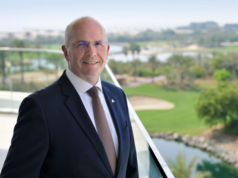




Carolyn Turnbull became chief executive of Nammos Hotels & Resorts in June 2025, taking responsibility for a brand born from a famous Mykonos beach club and now backed for global growth by ADMO Lifestyle Holding. Her brief is to preserve the energy, social confidence and Mediterranean identity that made Nammos desirable while building the systems, service and owner credibility of an ultra-luxury resort operator.
Turnbull brings more than two decades of international experience. Her career has included IHG, Hyatt and Aman, exposing her to different interpretations of luxury and brand scale. Around 2016 she became the inaugural chief executive of Azerai, helping establish a new boutique hotel portfolio in Asia. She later returned to Australia to lead Tourism Western Australia, where she treated destination positioning, aviation and industry partnerships as connected parts of the visitor economy.
That combination makes her well suited to Nammos. The brand is not starting from anonymity. It has powerful recognition, but recognition built primarily through dining, beach culture and nightlife. A hotel guest entrusts a brand with days rather than hours. Turnbull must extend the emotional code into sleep, wellness, family experiences, privacy and around-the-clock service.
The portfolio gives her immediate proving grounds. Nammos Hotel Mykonos, a 26-room property with three villas on Psarou Beach, established the accommodation concept. Nammos Resort AMAALA opened in 2026 as the first global resort, taking the brand into Saudi Arabia’s Red Sea luxury landscape. A Maldives resort is planned for 2027, while agreements in Egypt’s Ras El Hekma and Montenegro signal a broader coastal pipeline.
Each location tests authenticity. Simply importing Mykonos aesthetics would reduce the brand to a theme. Turnbull’s task is to preserve a recognizable attitude while allowing local landscape, culture and climate to shape the stay. Her destination-management experience should help her think beyond property boundaries and build relationships with aviation, communities and surrounding attractions.
The operating challenge is equally demanding. A lifestyle brand can generate attention quickly, but ultra-luxury credibility is earned through consistency, discretion and recovery when something goes wrong. Turnbull must recruit teams capable of high-energy sociability and quiet personalization, then create standards flexible enough to serve both.
Her leadership is a study in brand translation. Nammos already owns a valuable feeling; Turnbull is building the organization that can deliver it across countries and over time. If AMAALA, the Maldives and subsequent resorts feel rooted yet unmistakably Nammos, she will have achieved something rare: transforming an iconic venue into a durable global hospitality brand without draining away the charisma that made it worth expanding.
AMAALA is the decisive early test because it places the brand within Saudi Arabia’s emerging ultra-luxury cluster, alongside operators with decades of hotel experience. Turnbull must demonstrate that Nammos brings more than recognition and a beach-club atmosphere. The resort’s private island, spa, culinary programme and service culture need to function as an integrated stay, with local recruitment and Red Sea environmental standards built into operations.
Her public-sector destination experience adds another useful perspective. Tourism Western Australia required alignment between marketing, air access, events and private operators across a vast territory. Nammos is smaller, but each resort also depends on an ecosystem. Turnbull knows that a hotel cannot manufacture destination demand alone. Her ability to build those external partnerships may prove as important as the standards she establishes inside the property.