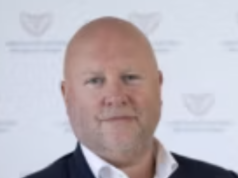

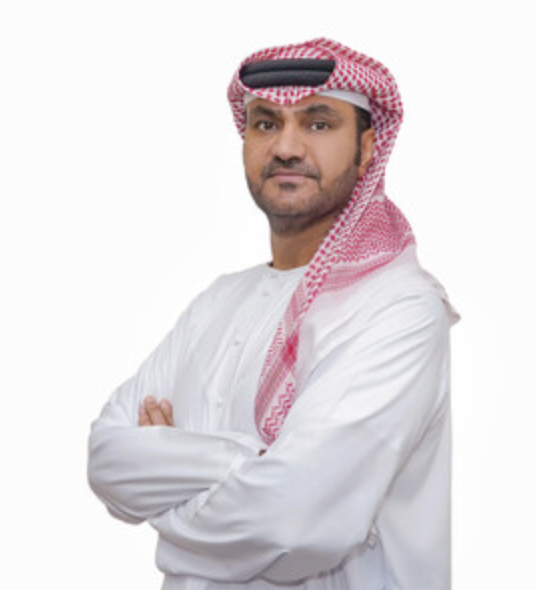


Mahmood Alhashmi is leading Ajman’s tourism sector through an important institutional transition. After taking responsibility for tourism development in 2022, he became director general of the emirate’s Department of Tourism, Culture and Media when the integrated body was established in 2025. The new structure reflects a modern view of destination management: what a place offers, how it understands itself and how it communicates cannot be separated.
Ajman operates in the most competitive tourism neighbourhood in the world. It shares the UAE’s connectivity and reputation but does not command the scale or promotional budgets of Dubai and Abu Dhabi. Alhashmi’s opportunity is therefore not to imitate larger neighbours. It is to build a sharper identity around coastline, heritage, nature, accessibility and Emirati community, then use culture and media to make that proposition visible.
His leadership has emphasized smart and sustainable tourism. For a compact emirate, the phrase has practical meaning. Data can help understand visitor flows, improve licensing and target promotion. Digital services can reduce friction for businesses and travellers. Sustainability can protect beaches, mangroves and heritage assets while ensuring development remains proportionate. These are not separate projects; together they determine whether growth strengthens or dilutes the destination.
The merger of tourism, culture and media gives Alhashmi more tools but also more responsibility. Cultural programming can animate historic sites and create year-round reasons to visit. Media capability can tell Ajman’s story consistently in domestic and overseas markets. Tourism revenues can support preservation and creative enterprise. The strategic task is to ensure each field retains professional depth while contributing to shared outcomes.
International outreach remains part of the equation. In July 2026, Ajman appointed a representative office in Hunan to develop the Chinese market, a step that signals more targeted market development. Such initiatives work only when paired with trade relationships, suitable products, language capability and air access through the wider UAE system. Alhashmi’s role is to connect the promotional announcement to that delivery chain.
Community participation will define the long-term result. Ajman’s scale allows visitors to encounter local life more directly than in a vast resort corridor, but authenticity cannot be manufactured by government alone. Entrepreneurs, guides, artists, restaurants and family businesses must have routes into the visitor economy. An integrated department can lower barriers and amplify their work if it remains accessible and evidence-led.
Alhashmi is effectively designing a destination operating model for a smaller emirate. The goal is not volume at any cost, but a stronger contribution from visitors who understand what makes Ajman distinct. By aligning heritage, contemporary culture, communications and tourism development, he is giving the emirate a more coherent voice. In a crowded market, coherence can be a formidable competitive advantage.
Hotel and attraction investors will look for that clarity. A destination that knows its priority audiences can guide development towards genuine gaps rather than duplicate neighbouring supply. Alhashmi can use licensing and market data to encourage appropriate beach, heritage, nature and family products, then measure whether new capacity improves rate, occupancy and length of stay. The quality of those signals will shape private capital decisions.
The media part of his portfolio brings both opportunity and responsibility. Owned channels can explain Ajman’s story directly, but credibility requires room for independent voices and honest representation of the community. Partnerships with creators can reveal places and people conventional advertising overlooks. If Alhashmi treats media as listening as well as broadcasting, the department can understand how residents experience tourism and correct problems before they become opposition to growth.