

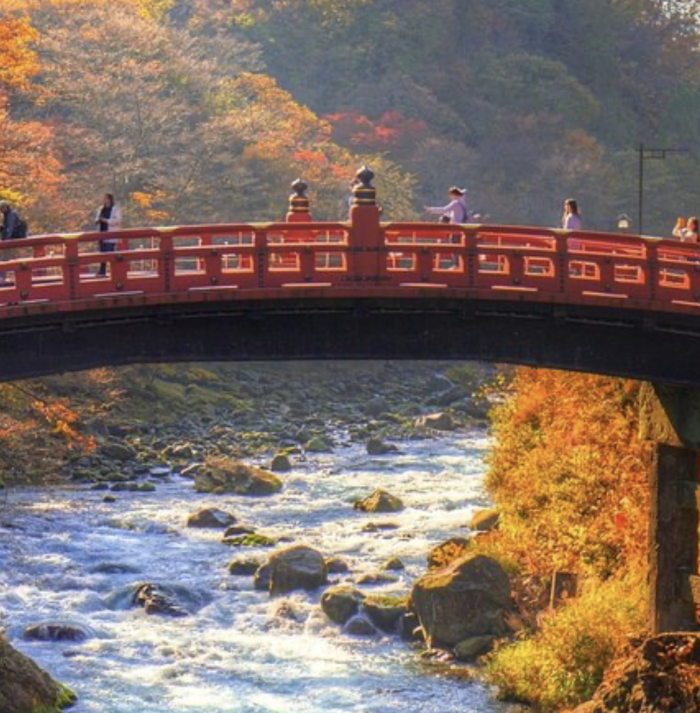


International travelers are increasingly looking beyond Japan’s traditional tourism route of Tokyo, Kyoto, and Osaka, according to new data released by Japan-based tour provider Tourist Japan. However, rather than replacing Tokyo with regional destinations, many visitors are using the capital as a base from which to explore a wider range of experiences across Japan.
Tourist Japan’s latest travel trends report found that inquiries for destinations outside the traditional Tokyo-Kyoto-Osaka route increased by 65% year-on-year, with destinations such as Nikko, Kamakura, Kanazawa, and Takayama accounting for the largest share of this growing interest. At the same time, more than 95% of Tourist Japan package travelers continued to begin their journeys in Tokyo, with many choosing to stay in the capital and take day trips to nearby destinations.
The data points to an evolution in how travelers are experiencing Japan. While iconic destinations remain popular, visitors are increasingly combining major cities with regional experiences that offer fewer crowds, deeper cultural immersion, and a different perspective on the country.
This trend is already being reflected in booking behavior. Passenger numbers on Tourist Japan’s Best of Nikko Small Group Day Tour from Tokyo increased by 42% year-on-year during the first half of 2026, while bookings for Kamakura, Kanazawa, and Takayama rose by 12%, 11%, and 9%, respectively. Reflecting growing demand for regional destinations accessible from the capital, Tourist Japan recently launched its new Kamakura & Enoshima Small Group Tour from Tokyo.
Tokyo remains the natural gateway to Japan for most international visitors, but we’re seeing growing demand for destinations beyond the traditional route. Rather than choosing between Tokyo and regional Japan, many travelers are combining both. They’re using Tokyo as a convenient base while exploring destinations such as Nikko, Kamakura, Kanazawa, and Takayama, creating a broader and more immersive experience of the country.
Ben Julius, Founder, Tourist Japan
The trend comes as Japan’s tourism industry continues to address concerns around overtourism in some of its most visited destinations. While international arrivals remain historically strong, growth has begun to stabilize following the record-breaking tourism boom of 2025.
Tourist Japan’s report also found several additional shifts shaping travel demand in 2026:
The proportion of second-time visitors in Tourist Japan bookings increased from 5% to 12%, reflecting growing interest from travelers returning to Japan.
Custom tour bookings increased by 17%, while inquiries mentioning flexibility, personalization, or tailor-made itineraries rose by 23%.
The average duration of Tourist Japan package tours increased from 8 days to 10 days, suggesting growing demand for slower, more immersive travel experiences.
Together, these trends point to a maturing tourism market in which travelers are increasingly prioritizing personalization, regional exploration, and longer stays over traditional checklist-style itineraries.