

The ‘unity theory’ flies in the face of the Express report that the two commissioners other than Gyanesh Kumar had objected 14 times in 10 months since October-November, 2025 in writing to the unconstitutional decisions of the commission. This has not been refuted by the commission or the commissioners, because Ritika Chopra of the Express reported that the objections in writing were seen by her and her colleagues. So, the question remains. Why did the prominent TV anchor, who owns the TV channel, who is known to be close to the ruling party and the government, stick his neck out in criticising the CEC?
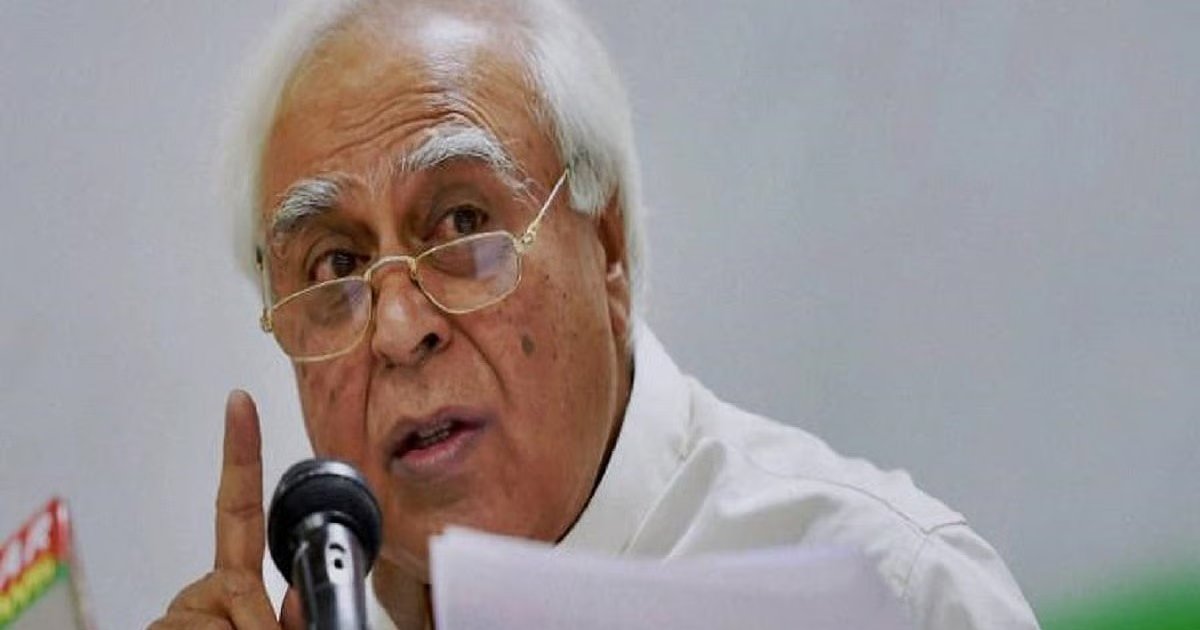
Kapil Sibal, while talking to Dekoder, an online portal founded by Prannoy Roy, on Tuesday, 29 September said that in his view the Supreme Court should strike down the immunity granted to the Election Commission. While a petition challenging the immunity is pending before the Supreme Court, and notices have been issued in the matter, Sibal felt it was merely a question of time before the CEC is forced out. If the Supreme Court rules against him, he will have no option but to resign, he felt; however, even if the apex court comes to his rescue, public pressure will make it untenable for him to continue, he added.
The Opposition and the civil society, Sibal said, had the option of organising mass protests against the unilateral and arbitrary functioning of the Election Commission. Protests across the country and the national capital would force the commission and the government to act, he added confidently. At the same time, he suggested, hundreds and thousands of cases can also be filed across the country against Seema Khanna, DG (IT) at the Election Commission, which will force the Supreme Court to intervene.
Khanna, Sibal pointed out, was instrumental in rolling out the ECINet, which centralised electronic processes by integrating the BLO app, ERONet for the Electoral Registration Officers (EROs) in the constituencies and 40 other apps used by the ECI. The ECINet, Sibal added, was instrumental in denying the EROs their statutory right to decided on additions and deletions to the electoral roll. It also allowed multiple players at multiple levels, who remain faceless and unknown, to intervene and interfere in the process.
The ECINet was introduced in January 2026, when the SIR was already under way. The EC’s IT division, headed by Khanna, allegedly restricted EROs’ access to the system and assumed a greater role in finalising electoral rolls. It also introduced an AI-based application that flagged what it termed “logical discrepancies” in the data involving 62 lakh voters in West Bengal, with at least 27 lakh subsequently excluded, according to Sibal. Khanna was therefore responsible for depriving legitimate Indian citizens of their right to vote, Sibal suggested, adding that criminal complaints could be filed against her in courts across the country.
Whether the INDIA bloc accepts his suggestions will become clear later on Wednesday. However, the circumstances surrounding Seema Khanna’s deputation to the ECI, Mamata Banerjee’s allegation about her links with the BJP’s IT Cell, her role in awarding the ECINET contract to C-DAC and TCS, and the specifications given to them warrant scrutiny. In any case, the IT Division’s role in the controversy has cast a cloud over the ECI.