


The US dollar strengthened as investors weighed prospects of further interest rate hikes, easing oil prices and diplomatic efforts to end the Iran conflict, while the yen remained under pressure amid intervention concerns.
The US dollar climbed to a two-month high on Wednesday as markets assessed the prospect of further interest rate hikes by major central banks, while hopes of diplomatic progress in the Iran conflict helped ease oil prices and inflation concerns.
The dollar index, which measures the US currency against six major currencies, rose 0.16 per cent to 100.71. The euro slipped to $1.14282, its weakest level since late July, while sterling stood at $1.3316.
Rate hike expectations support dollar
Recent rate hikes and hawkish signals from major central banks have become a key driver of currency markets as the conflict involving the US, Israel and Iran has pushed oil prices higher and raised concerns about renewed inflation.
Markets are now pricing in the possibility of further monetary tightening, with Federal Reserve officials indicating that additional rate hikes could be considered if inflation remains elevated.
Analysts said the dollar’s support from higher interest rates could persist, although markets are already pricing more tightening than the Fed’s own projections.
“The dollar’s support from rates looks durable, but futures already price more tightening than the Fed’s own projections, so the dollar now needs the data to confirm it,” said Kieran Williams, head of Asia FX at Intouch Capital Markets.
 More from Business
Oil prices ease on Iran diplomacy hopes
Oil prices have provided some relief to markets as diplomatic efforts raise hopes of an eventual resolution to the seven-month-old Middle East conflict.
Brent crude futures fell to $98.46 a barrel, hitting a two-week low, amid reports that Iran could reopen the Strait of Hormuz and growing expectations that diplomacy at the United Nations General Assembly could help end the conflict.
Brent has gained around 37 per cent since the conflict erupted in late February but has declined for six consecutive sessions as supply concerns ease.
US President Donald Trump has warned of further military action against Iran if no agreement is reached, while also indicating that a deal could be possible amid ongoing diplomatic efforts.
“The good news is that oil prices have moderated somewhat from the highs but the path forward remains unclear given the lack of clarity around a possible resolution of the conflict,” said Michael Wan, a currency analyst at MUFG.
Trump-Xi meeting in focus
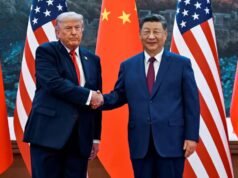
Markets are also watching a high-stakes meeting between US President Donald Trump and Chinese President Xi Jinping, with investors looking for signs of greater stability in US-China relations.
The meeting comes as the two countries remain divided over a range of economic and geopolitical issues.
Yen remains vulnerable to intervention
The Japanese yen remained under pressure at around 157.58 per dollar, with traders alert to the possibility of intervention by Japanese authorities.
The yen has weakened after the Bank of Japan raised interest rates to a 31-year high last week, but the move was viewed by markets as insufficiently hawkish.
Two dissenting votes and the lack of a clear signal on the pace of future tightening have raised doubts over how quickly the BOJ will raise rates, particularly after the Federal Reserve also increased rates and signalled the possibility of further hikes.
Japanese markets were closed for a holiday on Wednesday, with thin trading conditions potentially increasing market sensitivity to any intervention.
Analysts said the yen could come under further pressure toward the 160-per-dollar level, although Japanese authorities have recently avoided signalling a specific intervention threshold.