

G20 finance ministers fail to agree on a joint statement after China rejects language on trade surpluses, export-led growth, global imbalances and debt restructuring, leaving the US to issue a chair’s statement backed by the other 19 members.
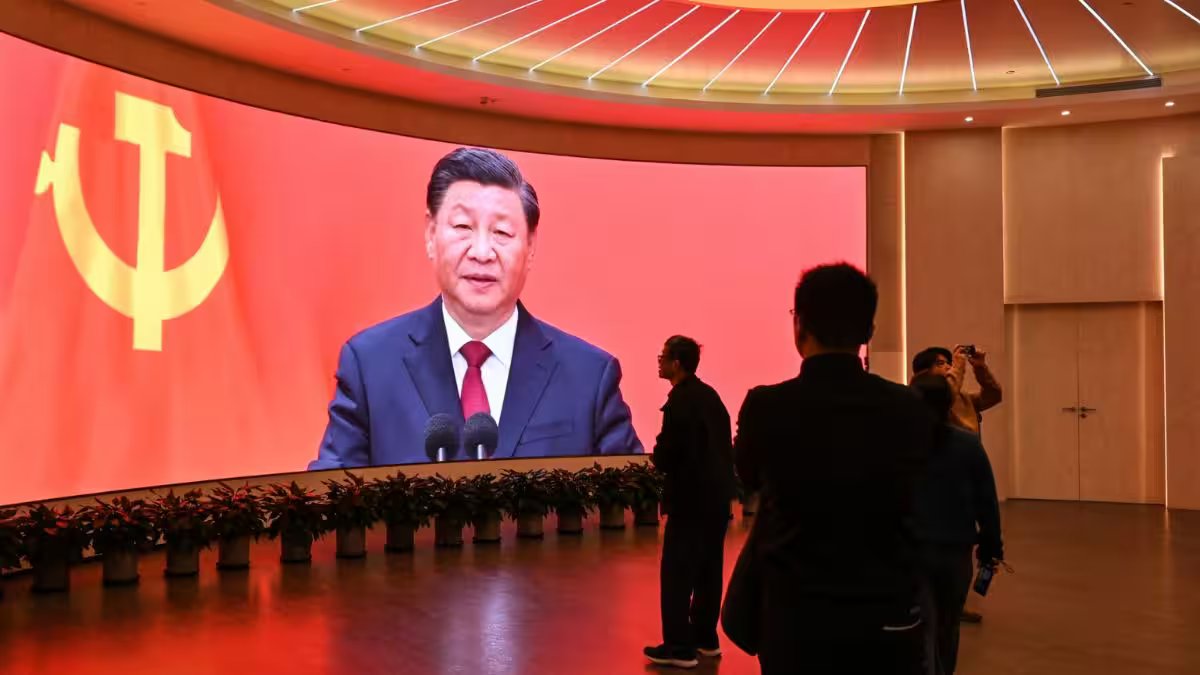
China blocked consensus on a joint statement at the G20 finance ministers’ meeting after objecting to provisions addressing large trade surpluses, export-dependent growth and global economic imbalances, highlighting growing tensions over Beijing’s trade practices.
The other 19 G20 members backed the disputed language, according to the US Treasury Department. With China refusing to agree, the United States, as host, issued a chair’s statement outlining the areas where members had reached agreement.
US Treasury Secretary Scott Bessent said the fact that 19 members supported the language underscored the scale of concerns over China’s export-driven economic model.
“We believe that the non-market-based economies pushing out a never-ending stream of cheap exports is not sustainable,” Bessent said, referring to China. He added that securing agreement among 19 countries showed the “sheer enormity” of the problem.
The US Treasury said China objected to four sections of the proposed communiqué. One dealt with the Strait of Hormuz and ongoing wars and conflicts, while two focused on global economic imbalances, including export dependence and greater scrutiny by the International Monetary Fund. The fourth concerned sovereign debt restructurings.
The dispute comes as governments increasingly worry that China’s manufacturing overcapacity and expanding exports could put pressure on domestic industries and widen trade imbalances.
Global economic imbalances were a major focus of the G20 gathering, with officials examining how countries’ trade and growth models affect the wider global economy. China’s resistance to language targeting export dependence underscores the difficulty of reaching consensus on issues that directly challenge its economic model.
 More from Business
The failure to produce a joint communiqué also reflects broader divisions within the G20. Several finance ministers’ meetings since Russia’s invasion of Ukraine in 2022 have ended without consensus statements as geopolitical disputes have complicated economic cooperation.
The chair’s statement avoided directly naming Russia’s war in Ukraine or conflicts in the Middle East, instead referring broadly to “ongoing wars and conflicts”.
Treasury said the statement reflected issues supported by all G20 members except China. Treasury also emphasized that the United States would continue to push for action on trade imbalances and other issues it considers critical to global economic stability.
The breakdown highlights a growing fault line within the G20: while most members appear increasingly concerned about the impact of China’s exports and trade surpluses, Beijing remains unwilling to endorse language that could be interpreted as criticism of its economic policies.