

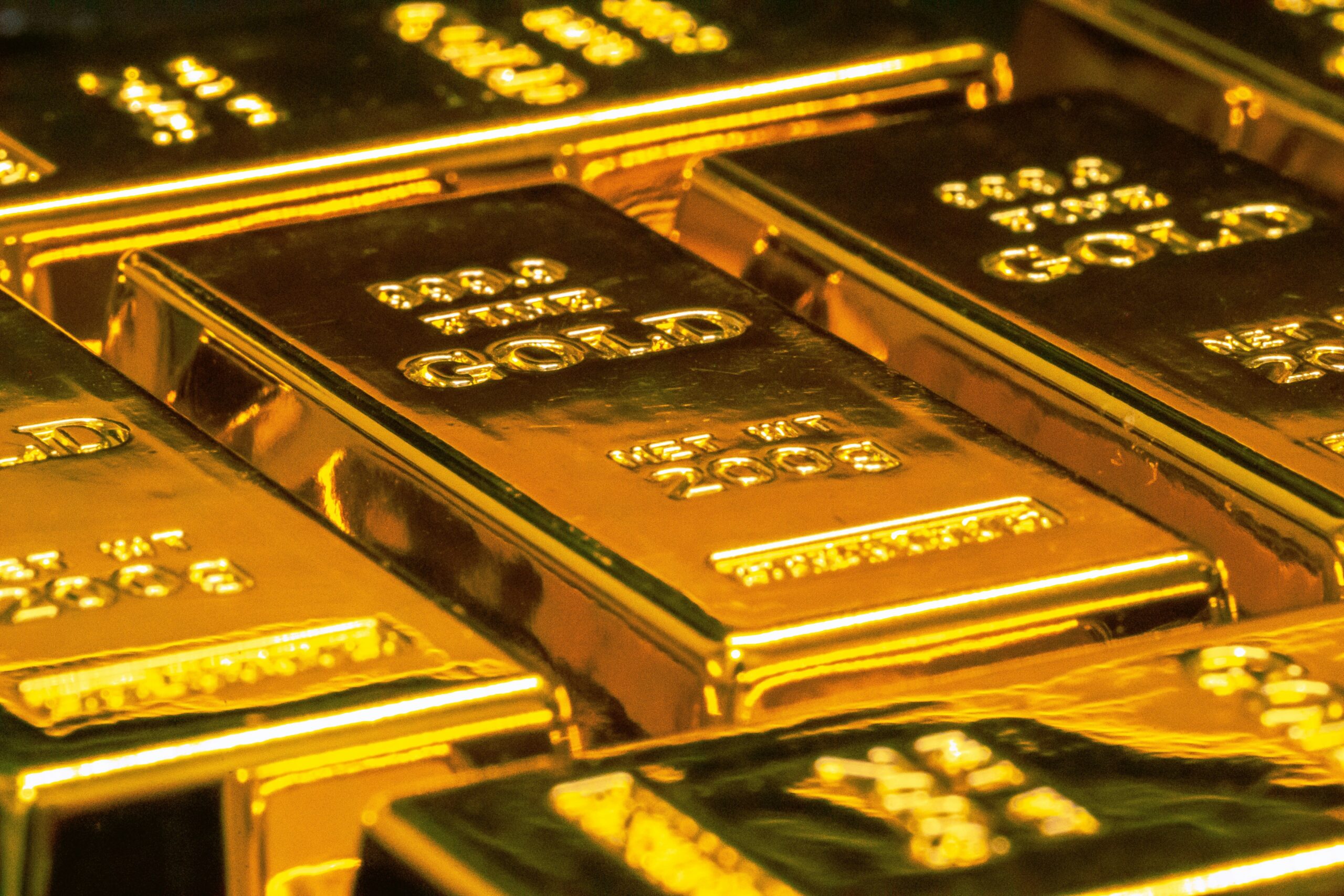

Even while the sharp increase in gold prices increases household wealth, Kotak Institutional Equities identified financial savings, liquidity, and external balances as critical areas of worry.
According to the broking, Indian households have experienced a “Midas’ touch” effect due to the sharp increase in the value of their gold holdings, which might lead to benefits including increased wealth, improved sentiment, and increased expenditure. It did, however, warn that these advantages have a number of drawbacks that the market continues to overlook.
According to Kotak, the recent increase in prices has caused the value of gold held by Indian families to soar to over $5 trillion, or nearly 125% of GDP. Approximately 65% of Indian households’ non-property wealth is now made up of gold.
Although the report found little evidence of such an influence, increased gold prices could theoretically boost demand. “We would assume a moderate positive impact of the sharp increase in the wealth of households on domestic consumption even though there has been no correlation historically between gold prices and domestic consumption,” the study stated.
The study also stated that gold holdings are widely spread, with a disproportionately larger share among low-income households, whose limited financial flexibility makes it unlikely that their consumption patterns will shift considerably.
According to Kotak, there are still few microeconomic advantages to the growing value of gold. Gold’s function as a productive asset is limited by its nature as jewellery, a store of value, and a store of wealth, including unexplained holdings. Despite recent increase, loans secured by gold still make up a modest portion of total and retail lending, despite being one of the few productive uses.
Kotak also questioned if extensive legislative initiatives to recycle home gold would be feasible.
The report identified important dangers at the macro level. We observe that the purchases of gold by families signify the transformation of monetary savings (bank deposits) into tangible assets. According to the research, this is equivalent to household capital exports.
It further stated that this dynamic might result in a reduction of RBI foreign exchange reserves, which would be represented as a decrease in net foreign currency assets on the central bank’s balance sheet if other external sector flows remained unchanged.
According to Kotak, “by construction, this curtails reserve money creation (and system liquidity), weighing on deposit growth unless offset by RBI’s durable liquidity injections.”
The broking also pointed out that net imports of gold and precious stones, which totalled roughly $500 billion between FY2011 and 10MFY26, dwarfed foreign portfolio investment flows into debt and equity, which totalled about $200 billion, and were comparable to the combined foreign portfolio and direct investment flows of about $600 billion during the same period.