

IndiGo’s Q2 loss narrows to Rs 1,879 crore as revenue jumps 25.9%, but a 67% surge in fuel costs and rupee depreciation continue to weigh on profitability.
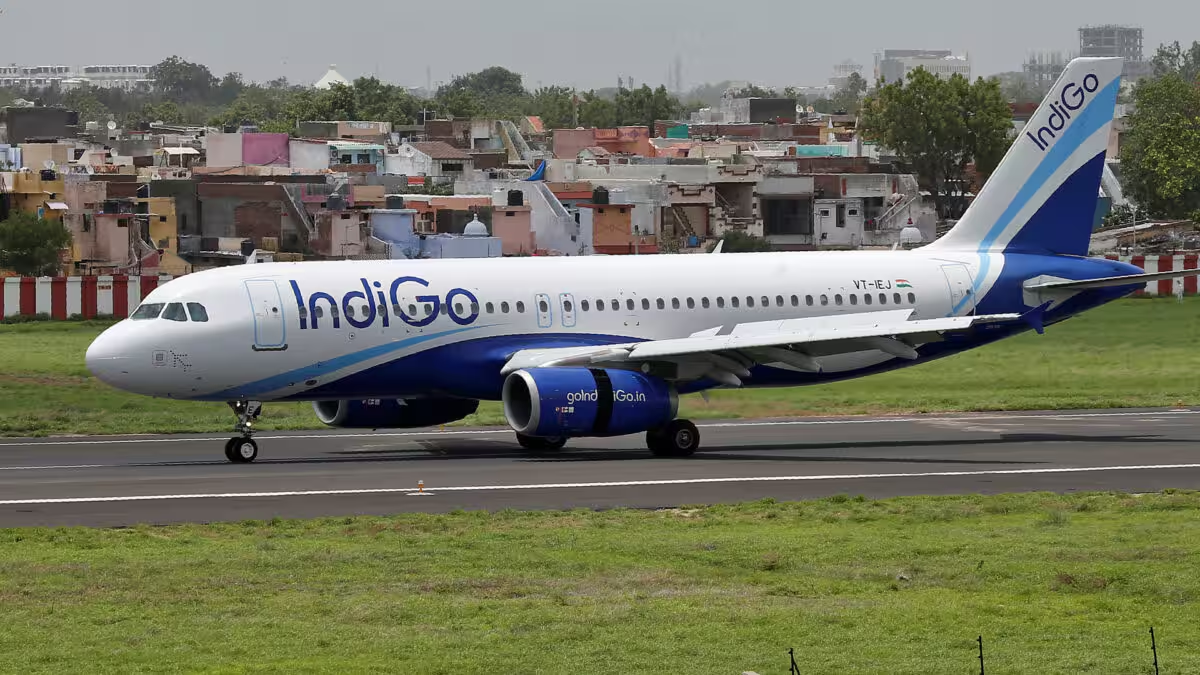
IndiGo, India’s largest carrier, reported a loss of Rs 1879.1 crores in the quarter ending September 2026. The traditionally weak quarter saw an exponential rise in fuel prices along with the impact of rupee depreciation. The loss was an improvement in performance as compared to the same quarter in the previous year, as IndiGo focused on balancing capacity and increasing yields. The airline had closed Q2-FY26 with a much higher loss of Rs 2582.1 crores.
The airline focused on yields which grew 34.3 per cent, even when it came at the cost of load factor, which was down 2.2 per cent on a YoY basis. The focus on yields saw an increase in revenue by 25.9 per cent, historic by any definition for the balance sheet of IndiGo’s side, as it added one-fourth of IndiGo’s worth of revenue compared to Q2-FY26. The airline curtailed capacity, in line with the market demand and, along with other airlines in the market, had the ability to plug losses.
Revenue engine fired at its best
IndiGo reported a revenue of INR 23363.8 crores in Q2-FY27, an increase of nearly 26 per cent over the same period last year. Sequentially, this was nearly the same as the quarter ending June, which is traditionally a strong quarter, and the month of May had seen the best traffic in domestic skies in India. This is an indicator that the airline has been able to push its fares up by reducing capacity and being appealing to passengers willing to fly, though the passenger count has dropped 6.5 per cent in September this year.
 More from Business
The great effort on the revenue front was washed away by the high price of fuel, where IndiGo saw a growth of 67 per cent in fuel costs, with the fuel costing INR 9966.8 crores in the September quarter, pushing up the CASK (Cost per Available Seat Kilometre) by 20 per cent on a year-on-year basis. Fuel costs comprised 27 per cent of total expenses for IndiGo in Q2-FY26. This year, fuel costs comprised 37 per cent of total costs.
Some of the capacity reduction was by choice, while the rest was driven by geopolitics, with airspace closures and longer routing meant that the airline had little choice on the operations side.
Light at the end of the tunnel?
IndiGo did everything it could to control its performance but in the end was pushed by a depreciating rupee and the high prices of oil, both beyond its control but having a significant impact on its bottom lines.
IndiGo has returned the damp leased widebody aircraft, saving on the costs, even though it would come with an impact on the capacity deployed. The airline has also continued to focus on finance leases over operating leases to help have lower exposure to dollar-denominated escalations in costs. This includes having 41 aircraft owned at the end of September 2026, with only 14 being owned at the end of September last year. The airline also has more aircraft on finance lease now at 66 and fewer operating leases. The airline has further cut routes, though it continues to expand in pockets like launching flights to Tanzania next month. IndiGo has also done away with all the damp leases now for better cost control, and the last few months have seen focus on redelivery of Pratt & Whitney powered A320neo family aircraft which have been grounded for a while.
Tail Note
This quarter is a textbook case of commercial execution being overwhelmed by macro cost pressure, led primarily by geopolitical issues like the limited flow of oil from the Strait of Hormuz impacting oil prices and the conflict between Ukraine and Russia and the Houthis and Saudi Arabia creating a potential shortage of fuel, which has pushed up prices. IndiGo has possibly done everything an airline can control well; it has priced aggressively, kept capacity moderated, and grown revenue at a very high rate, but none of it has been enough to offset the surge in fuel costs and currency depreciation, which have hit simultaneously.
With the revenue engine firing, costs not in its control entirely, how long will IndiGo take to turn the page to profit? It may have an edge on the cost side, but it can’t continuously be in this position where forex and fuel erode its cash position.
Ameya Joshi is an aviation analyst.