

According to the editorial, more than 20 of the state’s 36 districts experienced substantial rainfall deficits. A delayed monsoon disrupted initial sowing, while a subsequent dry spell lasting almost two months damaged crops across Marathwada, Vidarbha and central Maharashtra.
The editorial put Solapur’s rainfall shortfall at 58 per cent, followed by Beed at 51 per cent, Hingoli at 49 per cent and Jalna at 48 per cent. Ahilyanagar and Dharashiv each recorded a 46 per cent deficit, it said, while even the usually rain-rich coastal district of Sindhudurg registered a shortfall of 36 per cent.
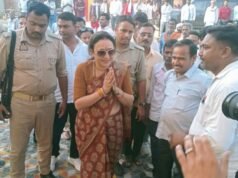
The party also questioned how officials were presenting the crisis to ministers. It claimed that local authorities in Solapur had taken the guardian minister to a green, irrigated farm instead of showing the damaged fields, describing the visit as a mockery of farmers’ suffering.
Unusually early heat had compounded the shortages, the editorial said. Conditions normally associated with October had emerged by mid-August, with temperatures reaching 36°C. It linked the persistent heat to drying pastures, wells and local water bodies, leaving communities struggling to secure drinking water and fodder.
The editorial further reported a fresh wave of farmer suicides in Vidarbha and Marathwada, which it attributed to financial distress.
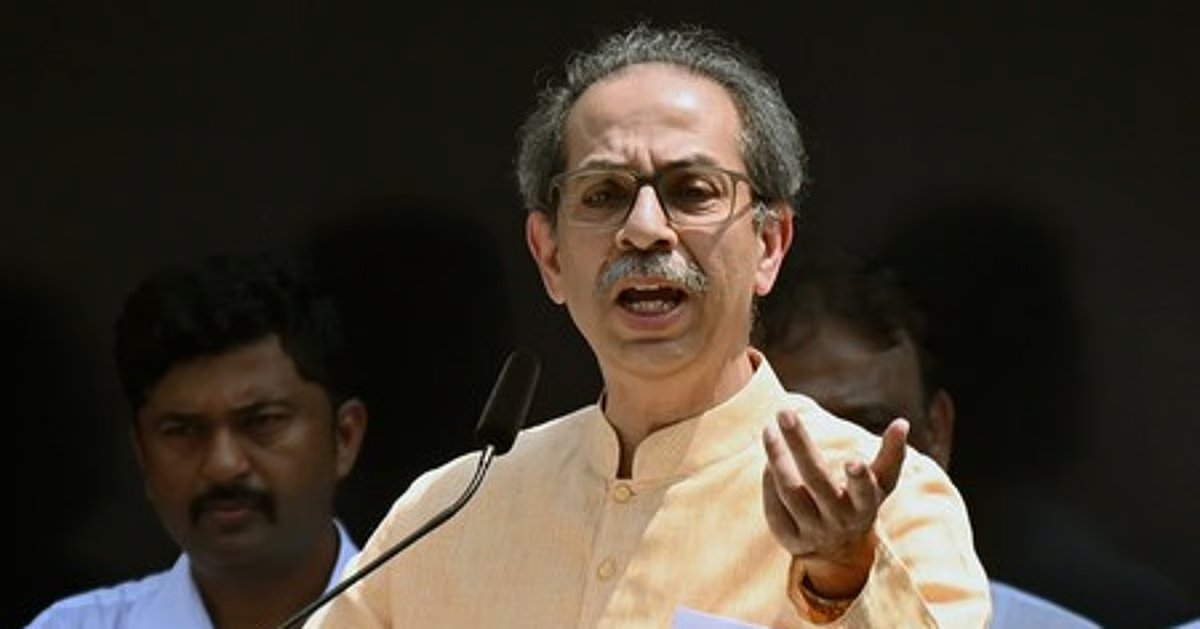
Shiv Sena (UBT) said a drought declaration alone would not fulfil the government’s responsibilities. It criticised ministers and political leaders for returning to the Secretariat after visits to agricultural areas, leaving farmers waiting for assistance as the crisis deepened.
With IANS inputs