
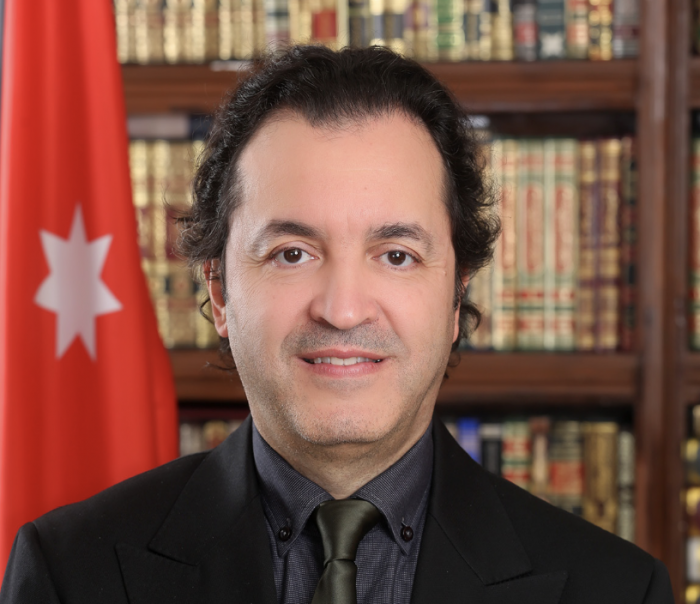


Jordan possesses one of tourism’s most recognisable icons in Petra, yet recognition does not insulate a destination from regional perception. Ramzi Maaytah became director general of the Jordan Tourism Board in December 2025 at a time when events beyond the country’s borders were influencing bookings, air capacity and insurance decisions.
Maaytah brought experience in international tourism, destination development and advisory work. Trained as an economist, with education connected to Arizona State University, he has worked across tourism strategy, investment and consulting. His background includes private-sector advisory work through Levant Consulting, giving him a view of the commercial barriers that can prevent a promising destination plan from becoming bookable product.
That mix of economics and advisory work is useful in a country where tourism performance feeds directly into foreign-exchange earnings, employment and regional development. Maaytah understands that recovery must be assessed through revenue and business survival as well as arrival totals. A market can show growth while guides, small hotels and restaurants in individual destinations continue to struggle because demand is concentrated or stays are too short.
His early programme has therefore combined consumer communication with practical distribution measures. The French charter incentive put passengers directly into the market, while the appointment of FP7 McCann and Initiative MENAT created a more unified system for creative, media and measurement. Ahlan bil Jordan addressed Arab travellers through a dedicated digital proposition. Together, the initiatives reveal a leader building several demand channels rather than searching for one campaign capable of solving a structural problem.
His first task has been recovery through precision rather than broad reassurance. The board’s 2026 programme increased activity in priority markets, supported airline and charter partnerships and placed greater emphasis on measurable digital conversion. In June, it selected FP7 McCann and Initiative MENAT to support global creative, media and digital work.
European markets remain critical. Visitor numbers from Italy reached 32,641 in 2025, an increase of 30.7 per cent. In April 2026, a charter from France brought 105 visitors under a targeted incentive programme. These may appear modest beside mass-market destinations, but they demonstrate the practical mechanics of recovery: restore seats, give tour operators confidence and build a programme around specific departures.
The Arab market is equally important. In July 2026, the board launched Ahlan bil Jordan, a digital platform designed to present offers and experiences to regional travellers. Proximity, shared language and shorter booking windows can make nearby markets more resilient when long-haul demand weakens.
Maaytah has also used major global events as marketing opportunities. A campaign around the 2026 FIFA World Cup generated approximately 893 million digital impressions, extending Jordan’s message into conversations with audiences already thinking about international travel. The challenge, as with any awareness figure, is to turn reach into searches, bookings and stays.
Jordan’s tourism proposition is deeper than Petra alone. Wadi Rum, Aqaba, the Dead Sea, Amman, biblical sites, nature reserves, food and community experiences can support longer and more geographically dispersed itineraries. Maaytah’s development background should help the board market those products in combinations that are clear to travel advisers and easy for visitors to buy.
The constraint is perception. Jordan can be stable and fully operational while international news causes travellers to treat the entire region as one risk category. Marketing cannot eliminate that problem, but transparent communication, flexible partnerships and visible trade engagement can reduce uncertainty.
Maaytah’s tenure is still new, which makes sweeping judgments premature. His early programme nevertheless shows a pragmatic understanding of destination recovery. Jordan does not simply need more publicity. It needs restored distribution, reliable air access, confident sellers and a richer itinerary beyond its famous landmark. His task is to reconnect those elements and ensure that global admiration for Jordan becomes travel again.