

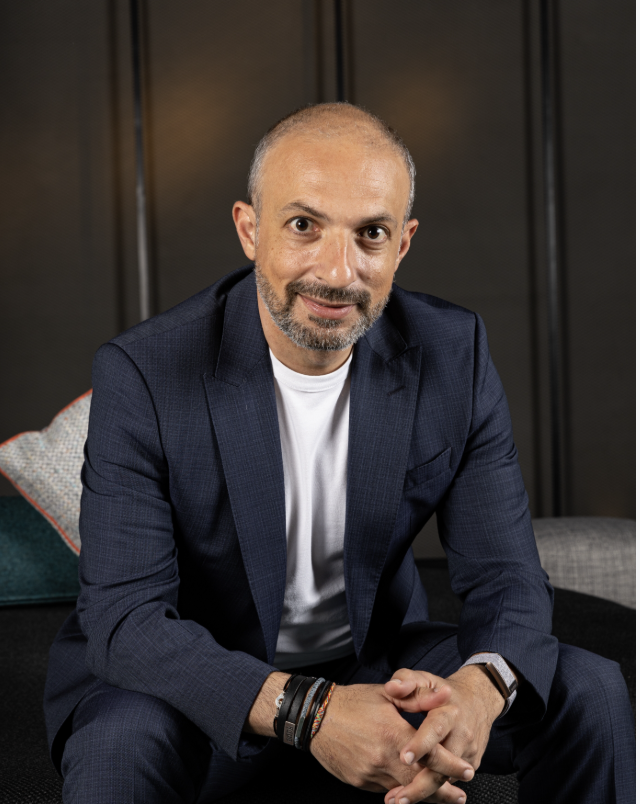


Bani Haddad founded Aleph Hospitality in 2015 around a structural opportunity. The Middle East and Africa had no shortage of hotel projects or international brands, but many owners needed an experienced operating partner able to manage properties locally, protect their interests and work flexibly with brand franchises. Aleph was built to occupy that space. Today, with more than 50 hotels across 23 countries, it describes itself as the region’s largest independent hotel management company.
Haddad serves as founder and co-chief executive, and the company’s expansion reflects his belief that ownership, branding and operations do not need to sit within the same organization. Under a franchise arrangement, an owner can access an international flag and distribution system while appointing Aleph to run the hotel. The model gives owners greater transparency and can bring operating decisions closer to the market.
That proposition is especially relevant across Africa and the Middle East, where many assets are owned by family groups, local investors or institutions entering hospitality for the first time. They require technical support before opening, recruitment and training, commercial systems, procurement and disciplined financial reporting. A brand alone does not supply all of that. Haddad has made owner alignment the centre of Aleph’s pitch.
Reaching a 50th hotel was more than a numerical milestone. It showed that independent third-party management, long established in North America and parts of Europe, can scale across a region of very different legal systems, labour markets and demand patterns. Aleph’s footprint stretches across mature destinations and markets where branded hospitality is still emerging. Each new country tests the company’s ability to standardize controls while remaining locally intelligent.
Haddad’s growth challenge now changes. Entrepreneurial energy wins early contracts, but a larger portfolio needs deeper systems, regional leaders, succession planning and consistent governance. Aleph has set an ambitious trajectory towards 2029. Maintaining quality at that pace will require the company to resist deals that add flags but not value, and to retain a culture in which owners still feel close to decision-makers.
The model also gives Haddad influence over talent. An independent operator can create careers across brands and countries, helping colleagues develop without leaving the management platform. In markets where hospitality skills are scarce, that mobility can become a competitive advantage. It also supports the localization goals of governments that want tourism investment to generate meaningful employment.
Haddad’s achievement is to have made a specialist layer of the hotel economy visible. Guests may see the brand above the door, while Aleph supplies much of the leadership behind it. Owners see a partner measured by operating performance rather than brand expansion alone. As regional hospitality becomes more sophisticated, that separation of roles will become more common. Haddad did not merely anticipate the shift; he built one of its most credible regional platforms.
The company’s reach into markets with limited professional management can have a development effect beyond the asset. Aleph introduces reporting disciplines, revenue systems, procurement standards and training that local suppliers and employees carry into the wider economy. It can also help international brands enter places where establishing a full corporate office would not be viable. Haddad is therefore reducing the organizational cost of connecting emerging destinations to global distribution.
His co-chief executive structure is another test of institutional maturity. Shared leadership can expand capacity and succession resilience if responsibilities are explicit and debate remains productive. It can also confuse owners if authority is unclear. Haddad’s willingness to build a company larger than the founder’s personal span is important. The next measure of Aleph will be whether clients experience the same responsiveness from its wider leadership team that they once received directly from its entrepreneur.