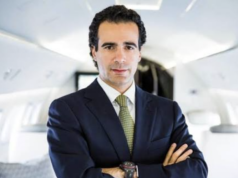




Ahmed Ben Zaied serves as cluster general manager of Sharjah Collection, overseeing seven retreats built around the emirate’s natural and cultural settings. The portfolio ranges across desert, mountain, coastal, archaeological and wellness environments. His responsibility is to give each property operational strength while ensuring the collection adds up to a coherent destination proposition.
Cluster leadership is often described as an efficiency measure, but in Sharjah it has a larger strategic purpose. The emirate’s attractions are geographically and experientially diverse. A coordinated portfolio can encourage guests to move between landscapes, extend their stay and understand Sharjah beyond a single city break. Ben Zaied sits at the point where that itinerary becomes operational reality.
Each retreat demands a different service rhythm. Desert hospitality may centre on stillness, astronomy and Bedouin heritage. A mountain property needs outdoor expertise and weather readiness. Coastal conservation requires careful control of access and activity. Heritage accommodation must make history feel alive without sacrificing comfort. The collection benefits from shared systems, but its value would disappear if those systems erased local character.
Ben Zaied’s cluster brief therefore requires judgement about what to centralize. Procurement, revenue management, training and digital distribution can gain from scale. Guiding, food stories, design details and programming should remain rooted in place. His success depends on making the back office consistent so the front of house can be distinctive.
The portfolio has also developed through an evolving operator landscape, including collaboration with international hospitality expertise. Ben Zaied provides continuity at property level, where owners, brand partners and teams need a common understanding of standards. That role is especially important when a destination’s hospitality identity is stronger than any single flag.
Sharjah Collection also advances a more geographically distributed form of tourism. Smaller retreats can create jobs and supplier opportunities outside the main urban centres, while giving conservation and heritage assets an economic role. The risk is overexposure. Ben Zaied must protect carrying capacity and community relationships, ensuring that increased visitation does not weaken the experience.
His work is a case study in portfolio storytelling through operations. Sharjah does not need to compete with neighbouring emirates through towers or mass entertainment. It can offer depth, landscape and cultural continuity. Ben Zaied is responsible for making that promise tangible across seven very different properties. The achievement is not sameness, but a family resemblance built from care, service and respect for place.
Revenue strategy is more complicated than the small scale suggests. Retreats may have limited keys, high logistics costs and pronounced seasonal patterns. Ben Zaied must protect rates by emphasizing scarcity and experience while using packages and cross-selling to encourage longer itineraries. A guest who combines desert, coast and heritage generates more value than seven separate one-night visitors and gains a richer understanding of the emirate.
Conservation should guide capacity decisions. Wildlife activity, water use, vehicle movement and cultural-site access can all degrade the asset if unmanaged. Ben Zaied can establish practical indicators and train teams to explain limits as part of the experience rather than an inconvenience. Guests paying for meaningful nature increasingly expect evidence of stewardship. The collection’s credibility will grow when protection is visible in daily operations and independently measurable over time