

5 min readCalifornia, Menlo ParkSep 24, 2026 08:53 AM IST
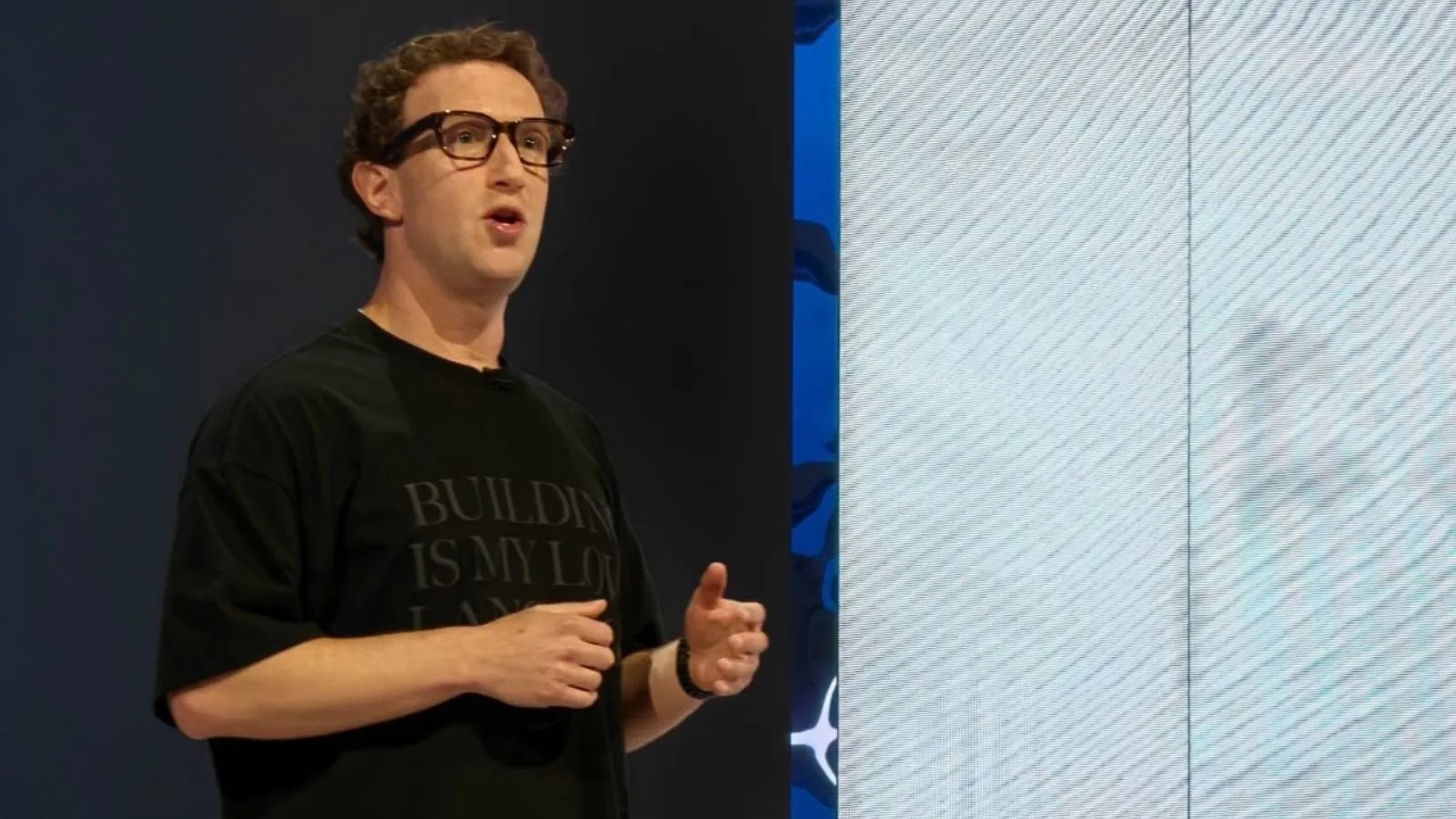
One of the key highlights of this year’s Meta Connect was the greater emphasis on artificial intelligence. At the keynote on Wednesday, September 23, CEO Mark Zuckerberg revealed his most ambitious vision yet for Muse, the company’s AI agent that is rapidly gaining traction. Zuckerberg framed it as the foundation of what he called ‘personal superintelligence’. He told the audience that the technology is ‘now within reach’, describing a future where ‘everyone is going to have an extremely capable personal agent that understands their goals and can work 24/7 on behalf of the user to help them achieve.’
During his address, the Meta CEO framed the company’s approach as fundamentally different from rivals who are busy chasing automation. “The highest purpose of superintelligence is creation and invention, not automation,” he said, adding that “the path to a safe future is to distribute this technology widely and create the right checks and balances rather than concentrating it in the hands of just a few.”

Muse, which launched a few weeks before Connect 2026, has already garnered millions of users. “In the coming years, I expect that Muse is going to grow into the personal superintelligence that billions of people around the world are going to use to accomplish their goals and improve their lives,” he said. Every Muse runs on what the company calls the Muse Secure VM – a private, dedicated virtual computer – powered by the in-house Muse Spark model, which Zuckerberg said “is trained specifically to excel as a personal agent.”
The keynote leaned on real-world anecdotes. The CEO shared about a user who tracked down a replacement for a mother-in-law’s broken china set, a couple who had Muse reschedule a rain-threatened weekend trip, and a customer who got $85 knocked off a cable bill through an AI-run chat negotiation. Muse is also expanding its reach with Meta announcing new computer use abilities on the Mac app, letting Muse drive any app on Mac with permission, plus dozens of new commerce connectors from Walmart, Best Buy, Sephora, Instacart, and others.
Privacy at the centre
Considering the sheer amount of personal data Muse and Meta’s AI glasses now handle, Zuckerberg spent a portion of his keynote by addressing privacy directly. “Given how personal Muse and the content under glasses are, we designed state-of-the-art privacy and security into all these systems from the beginning,” he said. The CEO pointed to the existing Muse Secure VM as a first layer of protection, then went on to announce a new tier. “Soon we are also going to release the Muse Confidential VM so that even Meta won’t be able to see that information.”
On the hardware side, Zuckerberg reiterated long-standing safeguards on Meta’s smart glasses, including the indicator light that activates during photo or video capture, which disables recording if tampered with – before unveiling a bigger step: private processing for glasses. “This will soon allow you to use certain AI features inside a secure server, where nobody, including Meta, can have access to your data,” he said, noting the system is “built on the same technology that we use to keep the AI experiences inside WhatsApp private.” The feature will roll out first for live translation before expanding to more tools.
 Muse Charm is a keychain-sized device built around Muse, allowing users to interact with the AI through a fingerprint sensor without unlocking a phone or opening an app, with Meta targeting a December holiday launch.
The December surprise
Zuckerberg saved his biggest surprise for the close of the keynote, which was a small, keychain-sized hardware device built entirely around Muse. “We packed the whole Muse experience, including the whole real-time voice and avatar stack, into something that fits on a keychain,” he said, describing a design where users simply tap the fingerprint sensor in the corner to start talking, with no need to unlock a phone or open an app.
Story continues below this ad
He also acknowledged the product is still being finished. “We do still need to finalise the finishing material,” he said, adding that component layout is also still being locked in. Even so, Meta is aiming for a fast turnaround. “We are planning to have this ready to ship in time for the holidays in December,” he said.
The device’s name doubles as a nod to its origin story – Zuckerberg had referenced ‘project charm’ earlier in the keynote during a live demo with his own Muse. “We are calling it Muse Charm, and we’re going to have more details to share on this one soon,” he said. “The path to a great future for everyone is putting superpowers in everyone’s hands to accomplish more than we ever could before. We are going to do that together. I can’t wait to see how you use all of this to improve your lives and shape the future,” he concluded.