

The National Payments Corporation of India (NPCI) has announced that a 0.4 per cent MDR will apply to specified person-to-merchant (P2M) UPI transactions above Rs 2,000 from October 15
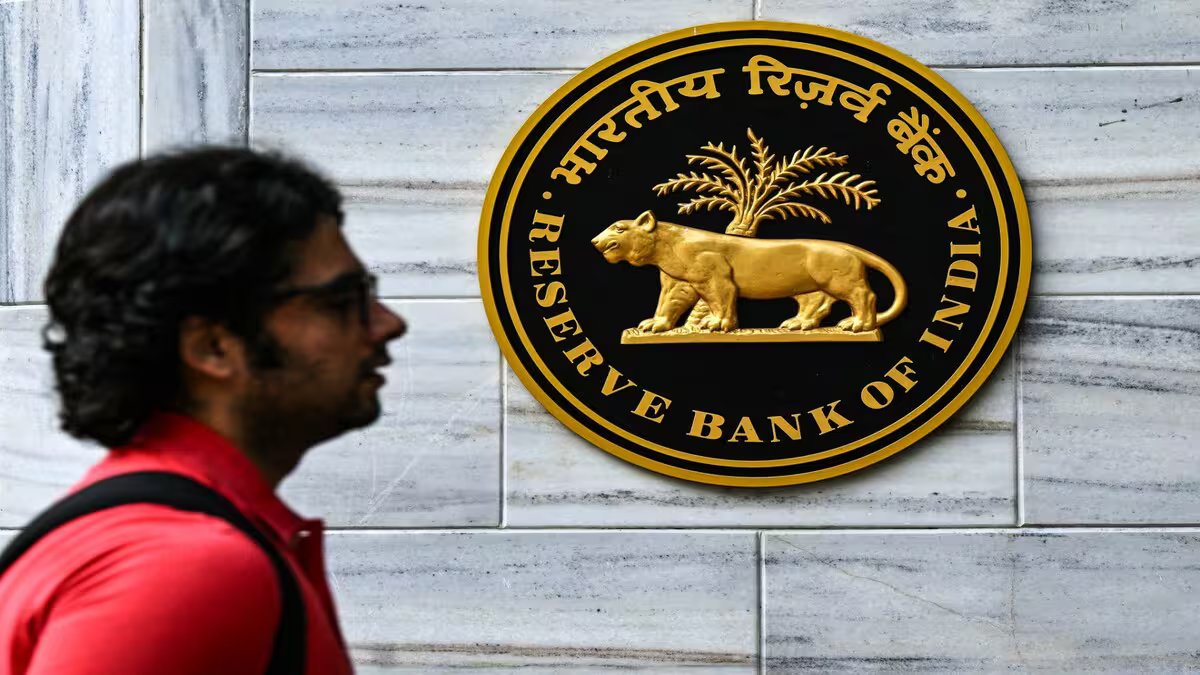
The Reserve Bank of India (RBI) has defended the decision to introduce a Merchant Discount Rate (MDR) on high-value UPI payments (above Rs 2,000), saying that the move is needed to make India’s digital payments system financially sustainable in the long run.
The National Payments Corporation of India (NPCI) has announced that a 0.4 per cent MDR will apply to specified person-to-merchant (P2M) UPI transactions above Rs 2,000 from October 15.
The RBI, in a post on social media platform X, said that the change would help the UPI ecosystem continue to expand while allowing participants to invest in technology and payment infrastructure.
The central bank also stressed that the new arrangement would not mean users have to pay a fee for making UPI payments. Person-to-person (P2P) transactions will remain free, while P2M transactions below Rs 2,000 will also continue without MDR.
RBI explains why UPI MDR is being introduced
According to the RBI, introducing MDR for large-value merchant payments is aimed at strengthening the financial base of the digital payments ecosystem.
The central bank said a “fair and appropriate distribution” of MDR among participants would support continued investment in technology, infrastructure and payment acceptance networks.
 More from Business
The RBI believes this could help expand UPI acceptance across the country, bring more customers into the digital payments system and support growth in transaction volumes.
UPI has become one of India’s most widely used payment methods, but the zero-MDR model has also raised concerns over how banks, payment service providers and other ecosystem participants can fund the infrastructure required to handle the rapidly growing volume of transactions.
Who will pay MDR?
Under the new framework, the charge will apply to eligible P2M transactions above Rs 2,000. The MDR is a fee associated with processing merchant payments and is not a tax or a government levy.
Payments between individuals will remain free regardless of the transaction amount. Merchant payments of up to Rs 2,000 will also remain outside the MDR framework.
NPCI has said that around 96 per cent of P2M transactions are expected to remain free under the new system, meaning most everyday UPI payments will not be affected.
For eligible high-value merchant transactions, the MDR will be capped at Rs 300 once the transaction amount reaches Rs 75,000.
Small merchants covered under the existing zero-MDR framework will also continue to receive payments without MDR.
RBI says users will not be charged
The RBI reiterated that UPI should remain affordable and accessible to users despite the change.
“All UPI transactions – P2P and P2M – shall remain free for users,” the central bank said.
The RBI added that it remains committed to keeping UPI safe and seamless while ensuring that the system can continue to support investment, innovation and wider adoption.
Reacting to the RBI’s post, Whatsapp head and CRED founder Kunal Shah said,” This is a great step forward.”