

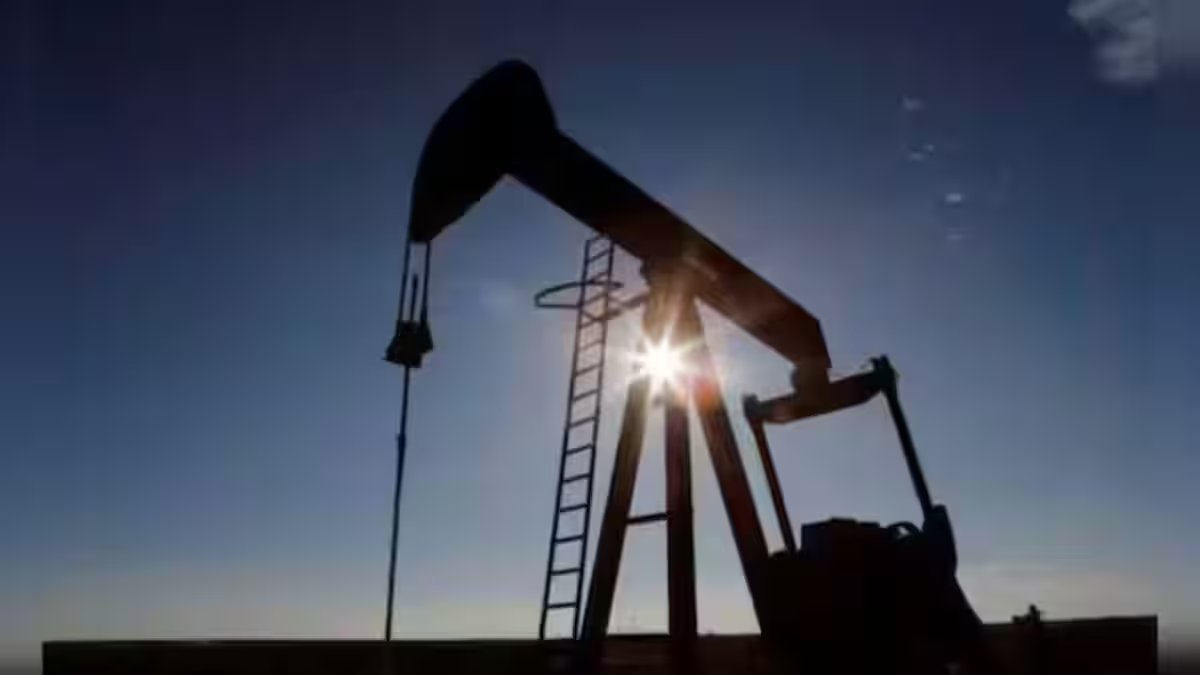

Crude prices extend gains as attacks on vessels near the Strait of Hormuz raise concerns over prolonged disruption to Middle East oil supplies, while OPEC+ keeps its October output policy unchanged.
Oil prices extended gains on Monday as escalating strikes between the United States and Iran on vessels operating in and around the Strait of Hormuz intensified fears of a prolonged disruption to crude supplies from the Middle East.
Brent crude futures rose 52 cents, or 0.54 per cent, to $96.80 a barrel by 2354 GMT. US West Texas Intermediate crude futures gained 66 cents, or 0.72 per cent, to $92.14 a barrel.
The latest rise came after US forces struck three Iranian oil tankers on Saturday, while Iran’s Islamic Revolutionary Guard Corps said it had targeted six vessels in retaliation.
The tit-for-tat attacks have added to concerns over the security of shipping through the Strait of Hormuz, a critical global oil chokepoint through which a significant share of the world’s crude and petroleum products passes.
Any prolonged disruption to traffic through the waterway could tighten global oil markets and push prices higher, particularly if producers and traders begin to anticipate sustained supply losses.
Shipping activity through the Strait has already weakened. Data from commodity analytics firm Kpler showed traffic through Hormuz had fallen to its lowest level since May, highlighting the growing impact of the tensions on global energy flows.
 More from Business
Iran is also expected to announce a restricted maritime zone outside the Strait of Hormuz, according to media reports, potentially adding another layer of uncertainty for oil and shipping markets.
The developments come as the Organisation of the Petroleum Exporting Countries and its allies, known as OPEC+, have kept their oil output policy unchanged for October.
The decision leaves the market focused increasingly on geopolitical risks and the potential impact of disruptions to physical supplies rather than changes in production policy by major oil producers.
For global markets, the Strait of Hormuz remains a key pressure point. A sustained reduction in tanker traffic could force refiners and traders to seek alternative supplies, potentially increasing freight costs and adding to upward pressure on crude prices.
Oil markets have already been sensitive to signs of disruption in the Middle East, and any further attacks on commercial vessels or restrictions on shipping could trigger another sharp move in prices.
With Brent crude approaching the $100-a-barrel mark, investors are closely watching developments between Washington and Tehran, as well as tanker movements through the Strait, for signs of whether the latest disruption will prove temporary or develop into a broader supply shock.