

Air India’s incoming CEO Tewolde Gebremariam seeks employee backing as he prioritises safety, operational reliability and customer trust in the airline’s next phase
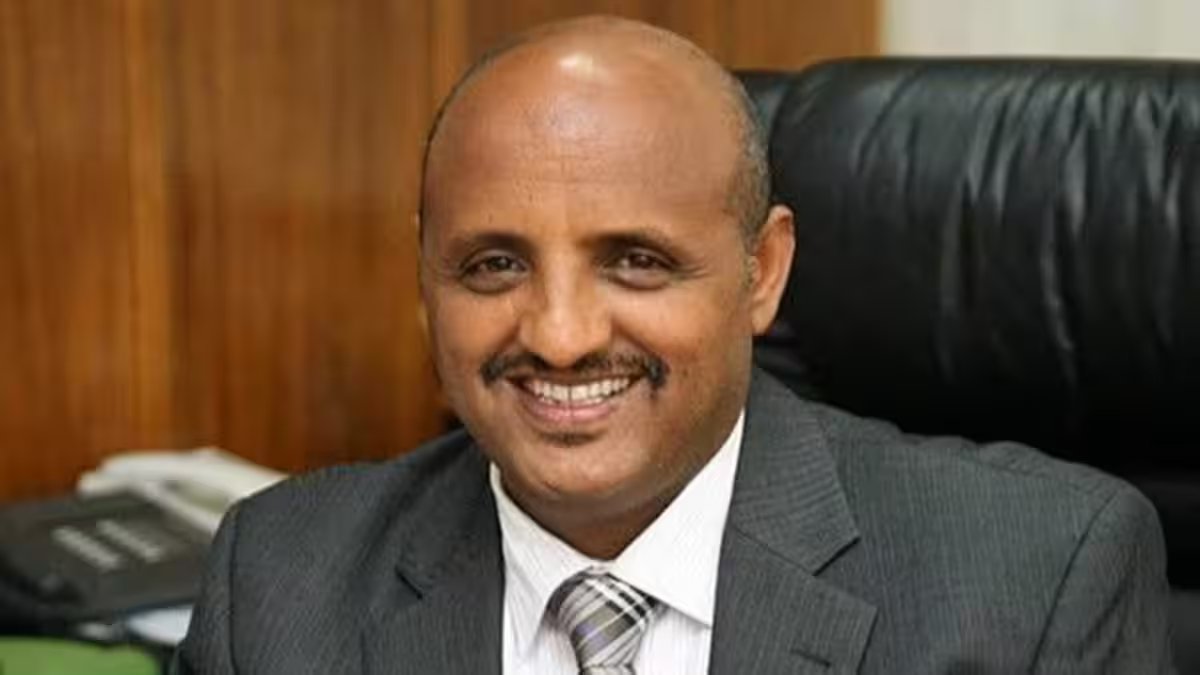
Air India CEO-designate Tewolde Gebremariam has called for employee support as he prepares to take charge of the Tata Group-owned airline, putting safety, operational reliability and customer trust at the centre of his agenda.
Gebremariam addressed Air India employees on Monday alongside Tata Sons chairman N Chandrasekaran and outgoing CEO and MD Campbell Wilson. He will assume the role after receiving the necessary approvals.
In his first address to employees, Gebremariam said Air India had a powerful heritage, a strong brand and significant potential.
“If we do the right things at the right time, the sky is the limit,” he said.
He also sought the backing and cooperation of employees for the next phase of the airline’s transformation.
“I need your support and cooperation. We cannot bring about meaningful change without the commitment of our people,” Gebremariam said.
‘Make Air India Great Again’
Gebremariam, 61, was appointed Air India’s CEO and MD on August 5. He brings nearly four decades of experience at Ethiopian Airlines Group, including more than 11 years as its chief executive. Recalling his stint in Mumbai during the 1990s, Gebremariam said Air India was then at the top of the aviation industry. He said he now had an opportunity to help restore the airline’s standing.
 More from Business
“I am coming from the US, so allow me to borrow a phrase: MAGA. We will Make Air India Great Again,” he said.
Gebremariam is credited with transforming Ethiopian Airlines into one of Africa’s largest and most profitable carriers during his tenure.
His appointment comes as Air India continues a major transformation under the Tata Group, which regained control of the airline in 2022.
Safety first
Safety is expected to be one of the biggest priorities for the incoming chief.
Air India has faced heightened scrutiny following the June 2025 Ahmedabad crash involving flight AI171, which killed 260 people. The airline has also faced questions over operational and safety issues in recent months.
An Air India Phuket-Delhi flight experienced a sudden loss of altitude in August. On September 4, the airline dismissed the pilot-in-command of the flight after he tested positive for a “psychoactive substance”.
Against this backdrop, Gebremariam said safety must be embedded in the airline’s day-to-day operations.
“A safety-first culture has to be our number one priority. It is not enough to say it. We must live it every day,” he said.
He also called for employees to feel empowered to raise concerns.
“If something is not right, stop. Every employee should feel empowered to raise concerns, and I will support that culture,” Gebremariam said.
Focus on operational reliability
Gebremariam also called for fewer disruptions and better execution of routine operations.
He said the airline needed to focus on the basics, including punctual departures and arrivals, baggage delivery and aircraft cleanliness.
“Operational excellence is about getting the basics right every day: on-time departures, on-time arrivals, baggage delivery and clean aircraft,” he said.
He said customer experience would depend on the airline’s ability to deliver reliable operations.
“Customer experience is a function of operational excellence. We need to minimise disruptions and when they do occur, handle them professionally and take care of our customers,” he said.
The comments come as Air India continues to work through the operational challenges associated with its wider transformation, including the integration of operations following the Tata Group’s acquisition of Air India and its merger with Vistara.
The airline has also faced disruptions linked to geopolitical developments, airspace closures and aircraft availability.
Chandrasekaran calls for trust
Chandrasekaran said Air India’s next phase should focus on safety, customer trust, operational execution and cost discipline.
He said the past 18 months had been challenging for the airline, citing geopolitical disruptions, airspace closures, fuel volatility and the AI171 accident.
“The most important thing Air India should aspire to have is trust in the minds of people,” Chandrasekaran said.
“Air India must be known for caring about safety above everything else. Our safety record should not just match the best airlines in the world; it should be better than the best.”
He said maintaining high safety standards would require stronger processes, rigorous compliance and accountability across the organisation.
Chandrasekaran also stressed the need for greater cost consciousness across Air India.
“Every individual in Air India can contribute to improving cost efficiency,” he said.
The airline reported a loss of around Rs 26,800 crore in FY26. It has also delayed the induction of some new aircraft, adding to the challenges facing its turnaround plans.
(With inputs from agencies.)