


Mexico wants lower US tariffs on steel, aluminium and automobiles as Washington presses for changes to automotive content and Chinese investment rules
Mexico and the United States have postponed the fourth round of their bilateral trade talks, with the next formal negotiations now potentially moving to October as both countries navigate a crowded diplomatic calendar.
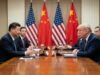
Luis Rosendo Gutierrez, Mexico’s deputy economy minister for foreign trade, said the talks would not take place next week because of scheduling conflicts, including Chinese President Xi Jinping’s visit to the United States and the upcoming G20 summit. He added that technical coordination between Mexican officials and the US Trade Representative’s Office was continuing on a daily basis.
The negotiations are aimed at reaching an interim trade arrangement that could give Mexico relief from some US tariffs while addressing Washington’s concerns over automotive content, Chinese investment and other areas of the bilateral relationship.
For Mexico, reducing US tariffs on steel, aluminium and automobiles remains a key priority.
“Our priority is reducing Section 232 tariffs on steel, aluminum and automobiles,” Gutierrez said.
Mexico seeks tariff relief
The tariffs are imposed by Washington under Section 232 of the US Trade Expansion Act on national security grounds. Mexican steel and aluminium exports currently face a 50 per cent US tariff, while automobiles face a 25 per cent duty.
Mexico has argued that the duties put its exporters at a disadvantage compared with some other US trading partners that have negotiated lower automotive tariffs.
 More from Business
The tariff issue has also been linked to broader discussions over North American supply chains. Washington has been pressing Mexico to increase US content in vehicles and reduce reliance on components sourced from outside North America, particularly China.
The two countries had already discussed steel, aluminium and automobiles during the third round of negotiations in July. The US Trade Representative’s Office said at the time that the talks also covered economic security, labour, agriculture and electronic payment services.
Trade agenda expands
Gutierrez said the negotiating agenda has grown from 54 issues to nearly 90 as discussions have become more detailed. Digital platform regulation is among the areas that have been added to the agenda.
The talks are taking place alongside the broader review of the US-Mexico-Canada Agreement, or USMCA, which governs much of North American trade.
Mexico and the US have been pursuing a separate bilateral arrangement while working through more complicated questions related to the wider trade pact. The negotiations have also taken on added importance as the US seeks to strengthen regional supply chains and reduce dependence on Chinese inputs.
Mexican President Claudia Sheinbaum said last week that her government was working towards a trade agreement with US President Donald Trump. Mexico has also indicated that it is prepared to increase imports from the US as part of the ongoing review of the trade relationship.