

UPI merchant payments above Rs 2,000 will attract a 0.4 per cent MDR from October 15, but customers will not have to pay the charge
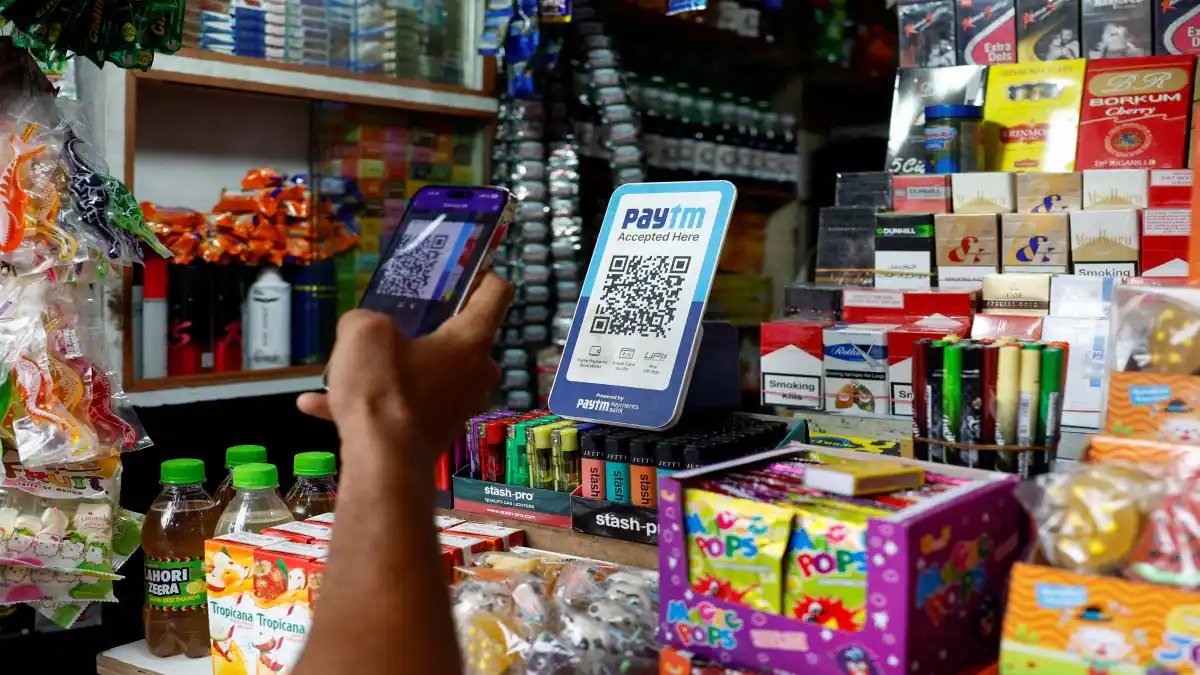
India is changing the way UPI payments work for merchants. From October 15, a 0.4 per cent Merchant Discount Rate (MDR) will apply to specified merchant transactions above Rs 2,000.
The fee will not be paid by customers. It will also not go to the government. Instead, the money will be shared among banks, payment apps and other firms that help process the payment.
The move marks the end of more than six years of zero-MDR payments for the affected merchant transactions. UPI had been kept largely free for merchants to help drive the rapid growth of digital payments in India.
Where will the new MDR money go?
MDR is a fee paid within the payments system.
Under the new framework, the biggest share will go to the bank of the person making the payment. The rest will be shared by the merchant’s bank, the payment app and other payment service providers involved in the transaction.
This means the new system will create a fresh revenue stream for banks and payments companies.
UPI has grown into one of the world’s largest digital payment systems. It processed around 24 billion transactions worth about $311 billion in August, according to Reuters.
 More from Business
PhonePe and Google Pay are among the biggest payment apps using the UPI network.
Why is the fee being introduced?
NPCI said the money will help fund the growing cost of running UPI.
This includes spending on payment infrastructure, cybersecurity, fraud prevention, system reliability and customer support.
UPI now handles billions of transactions every month. Its infrastructure needs to expand as usage grows.
The new MDR model is intended to give payment companies a regular source of revenue instead of relying mainly on government incentives.
What will merchants pay?
For eligible merchant payments above Rs 2,000, the standard MDR will be 0.4 per cent.
A Rs 3,000 payment, for example, would attract an MDR of Rs 12.
For transactions of Rs 75,000 and above, the charge will be capped at Rs 300.
Some sectors will have a different structure. Merchant payments above Rs 2,000 for areas such as fuel, railways, telecom and insurance will attract a flat Rs 5 fee.
Capital market payments, including some mutual fund and securities transactions, will have an MDR of 0.02 per cent, capped at Rs 300.
Will customers have to pay?
No. The new MDR is a merchant-side charge. Customers will continue to make UPI payments without a transaction fee.
Person-to-person payments will remain free, even for large transfers.
Merchant payments up to Rs 2,000 will also remain free.
The government has also said banks should ensure that merchants do not pass the MDR cost on to customers. UPI apps cannot add separate platform or hidden charges.
What about small shops?
Small merchants will largely be protected from the new charge.
Merchants receiving up to Rs 1 lakh a month through eligible UPI QR payments will continue to get zero MDR under the small merchant framework.
QR payments by eligible small merchants in rural and semi-urban areas will also remain outside the MDR.
The government also plans to create a dedicated fund for small merchants. Five per cent of total MDR collections will go towards this fund.
The money is expected to support merchant onboarding and expand digital payments in smaller cities and rural areas.