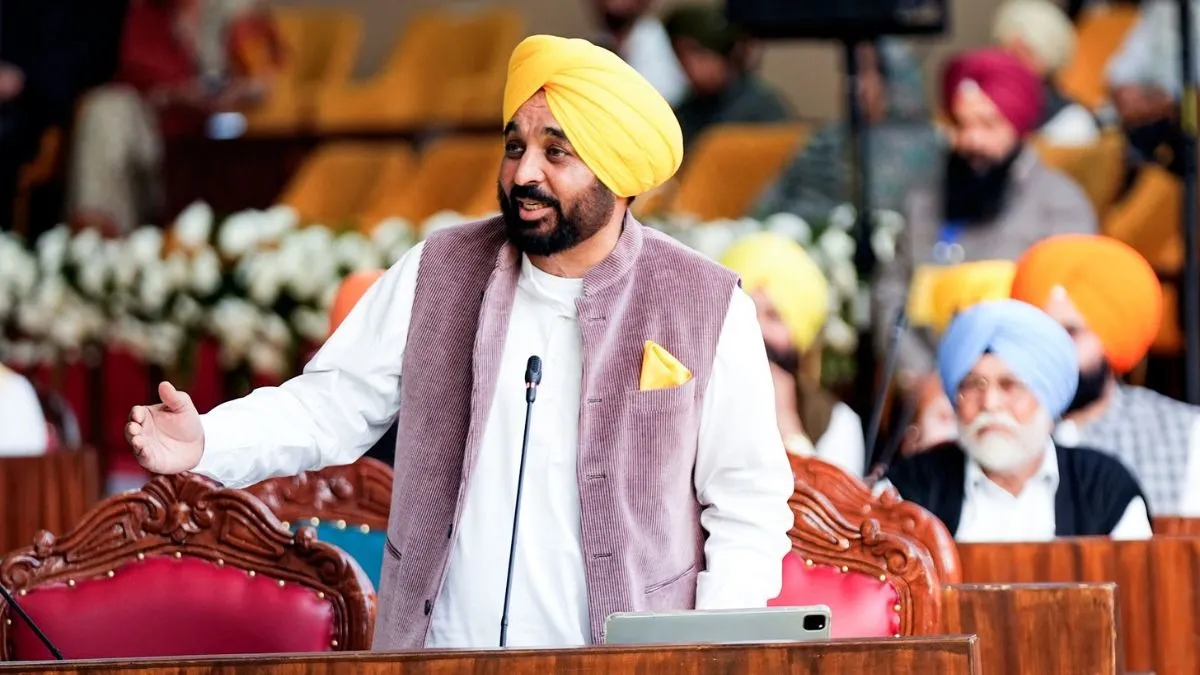

Chief Minister Bhagwant Mann was called by the Sri Akal Takht Sahib over alleged “anti-Sikh” statements, bringing Punjab’s tense relationship between religion and state authority back into sharp focus. What is essentially a religious condemnation has become a full-fledged political conflict due to Mann’s public demand that the procedures against him be broadcast live.
ਸ੍ਰੀ ਅਕਾਲ ਤਖ਼ਤ ਸਾਹਿਬ ਤੋਂ ਵੱਡੀ ਕੋਈ ਅਦਾਲਤ ਨਹੀਂ, ਮੈਂ ਨਿਮਾਣੇ ਦਾਸ ਵਜੋਂ ਨਤਮਸਤਕ ਹੋਵਾਂਗਾ। ਮੈਂ ਸ੍ਰੀ ਅਕਾਲ ਤਖ਼ਤ ਸਾਹਿਬ ਦੇ ਜਥੇਦਾਰ ਗਿਆਨੀ ਕੁਲਦੀਪ ਸਿੰਘ ਗੜਗੱਜ ਜੀ ਨੂੰ ਅਪੀਲ ਕੀਤੀ ਹੈ ਕਿ ਸੰਗਤ ਦੀ ਮੰਗ ਮੁਤਾਬਕ ਮੇਰੇ ਸਪੱਸ਼ਟੀਕਰਨ ਦਾ ਸਿੱਧਾ ਪ੍ਰਸਾਰਣ ਕੀਤਾ ਜਾਵੇ।
— Bhagwant Mann (@BhagwantMann) January 8, 2026
—–
श्री अकाल तख़्त साहिब से बड़ी कोई अदालत नहीं… pic.twitter.com/jixZ0Xfh6L
The Chief Minister has been charged by the Akal Takht Secretariat of frequently making offensive remarks that offend Sikhs, putting doubt on the legitimacy of the highest temporal seat of Sikhism, and even disparaging sacred customs like “daswandh” and “Guru Ki Golak”. The impasse has gotten worse due to allegations of disrespect for pictures of Sikh Gurus and Jarnail Singh Bhindranwale.
This incident is not an anomaly; rather, it is a part of a broader trend in Punjab, where development and governance are often overshadowed by intense religious concerns. Sikhism in the state is intricately linked to political identity, historical memory, and social trauma; it is not limited to the private sphere of belief. Whether deliberate or not, any perceived affront swiftly turns into a rallying point, putting governments on the defensive.
The Guru Granth Sahib desecration occurrences in 2015 continue to be the most prominent example. Two persons were killed and the entire state was rocked by the ensuing uproar, which culminated in police firing on Sikh demonstrators in Bargari and Behbal Kalan. The absence of accountability and resolution still plagues Punjab’s politics almost ten years later. The fact that the problem is still unresolved despite the rise and fall of successive governments on pledges of justice serves as a reminder of how religious grievances may exacerbate political divisions.
In Delhi, Assembly Speaker Vijender Gupta recently ordered a forensic investigation into a video purportedly showing Leader of the Opposition Atishi disparaging Guru Tegh Bahadur, demonstrating that such sensitivities go beyond Punjab. Atishi has refuted the BJP’s accusation that she made insensitive statements during a conversation commemorating the Guru’s 350th martyrdom anniversary, arguing that her remarks were misrepresented for political purposes. Nevertheless, the incident highlights how allusions to Sikh religious leaders and history can quickly turn into political crises.
These recurrent faith-related flashpoints create important concerns as Punjab prepares for the assembly elections in 2027. Will voters prioritize economic and governance issues, or will religious disputes take center stage in the political discourse once more? In addition to electoral results, the answer will determine whether Punjab can at last achieve a stable balance between respect for religion and the requirements of a contemporary, secular state.