

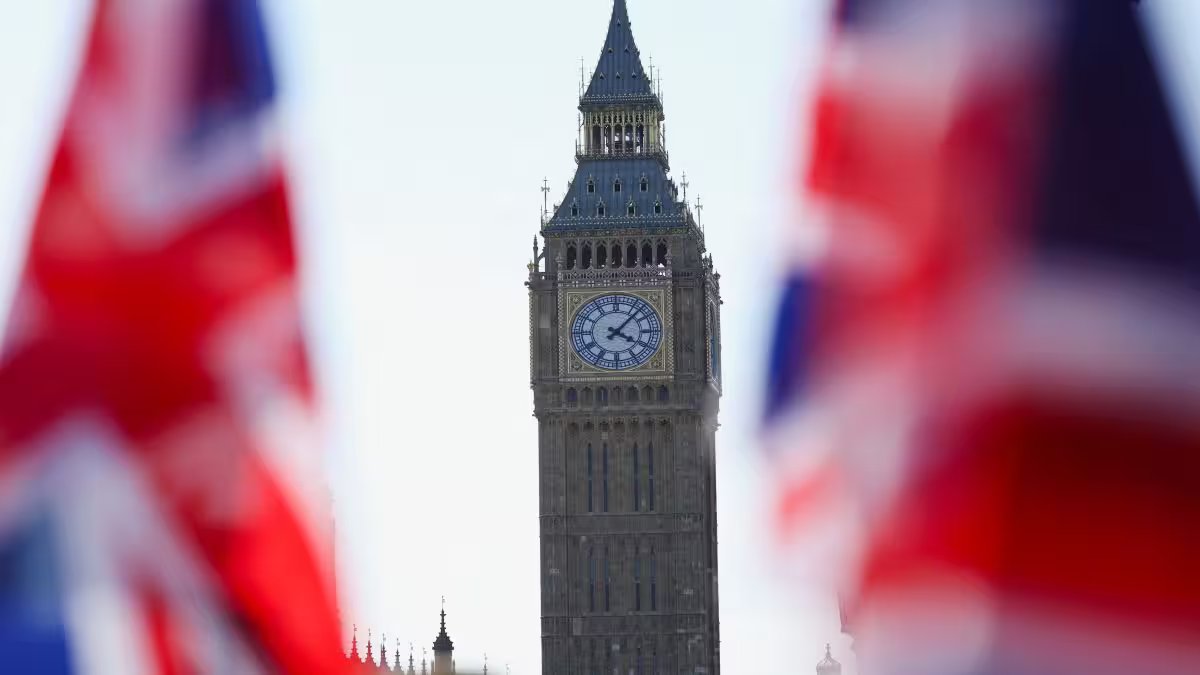

The pound edged up after UK retail sales rose 0.5% in August, well ahead of expectations for a 0.2% decline, adding to market expectations that the Bank of England could resume interest-rate hikes.
Sterling edged higher on Friday after stronger-than-expected UK retail sales data added to signs of resilience in the British economy and increased expectations of a potential Bank of England interest-rate hike.
UK retail sales volumes rose 0.5 per cent month-on-month in August, according to official data, beating economists’ expectations in a Reuters poll for a 0.2 per cent decline. On an annual basis, retail sales volumes increased 2.4 per cent.
The pound was last up 0.1 per cent at $1.337, while it was little changed against the euro at around 85.91 pence.
The latest data comes a day after the Bank of England kept its benchmark interest rate unchanged at 3.75 per cent, but warned that inflation could peak above 4 per cent early next year and said borrowing costs could rise if the conflict involving Iran persists.
The central bank has also raised its forecast for UK third-quarter economic growth following data earlier this week showing that the economy expanded at its fastest annual pace in 18 months in July.
“For now, the resilience of the economy is one more thing nudging the Bank of England closer to raising interest rates,” said Paul Dales, chief UK economist at Capital Economics.
However, Dales said inflation had yet to peak and could weigh on economic growth later in the year.
 More from Business
BoE rate hike bets increase
Money markets were pricing in roughly a 65 per cent probability of a Bank of England rate hike in November, while traders were also anticipating around four 25-basis-point increases by the end of 2027.
Despite Friday’s gains, sterling was on track for its largest weekly decline since June, down about 1.2 per cent, after the US Federal Reserve raised interest rates on Wednesday and adopted a more hawkish tone.
Sterling fell around 0.7 per cent on Wednesday as the US dollar strengthened following the Fed decision.
Higher energy prices linked to the Iran conflict have also pushed up expectations for further rate increases globally, sending government bond yields to multi-year and, in some cases, multi-decade highs.
The impact on currencies, however, has remained relatively limited as bond yields have risen across major economies at broadly similar rates.