


3 min readAug 23, 2026 01:08 PM IST
SpaceX launched 27 Starlink internet satellites into low Earth orbit on Saturday, marking the 100th Falcon rocket mission of 2026 and another milestone for the company’s rapidly increasing launch cadence.
A Falcon 9 rocket carrying the satellites lifted off from Vandenberg Space Force Base in California at 3.25 am EDT (12.55 pm IST). The mission was the 99th Falcon 9 launch of the year. The only other Falcon mission in 2026 was carried out by a Falcon Heavy, which launched the Viasat-3 F3 telecommunications satellite in April.

Reaching 100 Falcon missions this early in the year highlights SpaceX’s aggressive launch schedule. However, the company still has some way to go to match its annual record of 165 Falcon launches, set in 2025. All of those missions last year were performed by Falcon 9.
Falcon 9 booster completes 9th flight
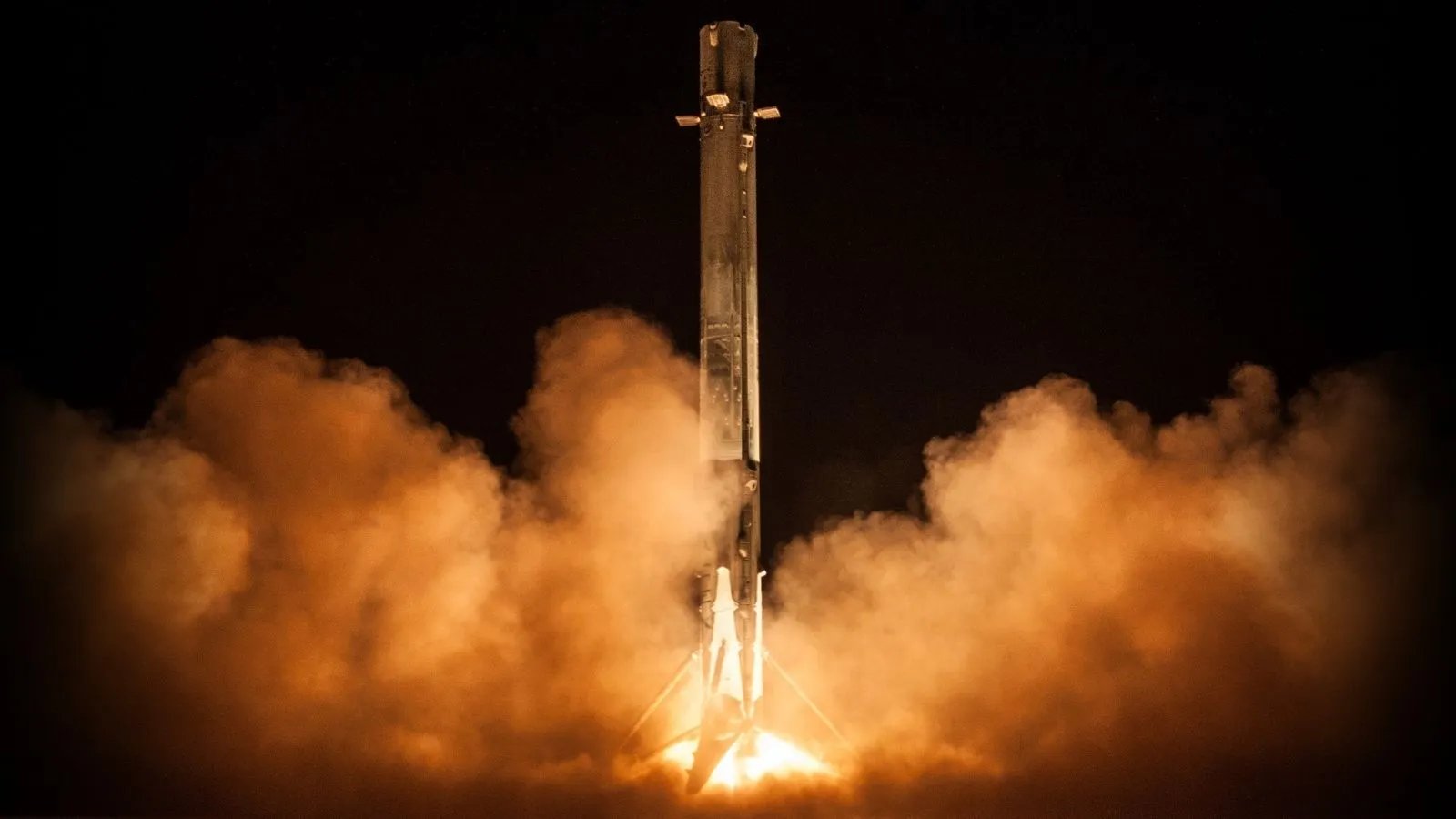
The Falcon 9’s reusable first-stage booster returned to Earth as planned after separating from the rocket. It landed on SpaceX’s drone ship Of Course I Still Love You in the Pacific Ocean approximately 8.5 minutes after liftoff.
The booster, designated B1100, completed its ninth flight, adding another successful reuse to SpaceX’s growing fleet of frequently flown Falcon 9 first stages.
While the booster headed back to Earth, the rocket’s upper stage continued carrying the 27 Starlink satellites towards their target orbit. The spacecraft were deployed on schedule, just under 62 minutes after liftoff.
The latest launch further expands Starlink, which has already grown into the world’s largest satellite constellation. More than 11,000 Starlink spacecraft are currently operational, according to data cited by Space.com.
Story continues below this ad
Starlink satellites have also become SpaceX’s most common payload. Of the 99 Falcon 9 launches conducted in 2026, 76 have been dedicated to deploying Starlink spacecraft.
SpaceX’s satellite ambitions extend far beyond the current constellation. The company has said it wants to launch 1,00,000 next-generation Starlink V3 satellites in the coming years. These satellites are expected to be launched using SpaceX’s massive Starship rocket, which remains under development.
The growing number of Starlink launches reflects SpaceX’s effort to rapidly expand its satellite internet network and increase coverage and capacity. The latest mission also demonstrates the company’s continued reliance on Falcon 9’s reusable architecture, allowing individual boosters to fly multiple times and helping SpaceX maintain a high launch frequency.