


4 min readNew DelhiAug 24, 2026 10:05 AM IST
In the 2010s, when short-form videos weren’t a thing like they are today, Vine was considered cool among young people. The app is making surprise comeback in 2026, and nobody expected it.
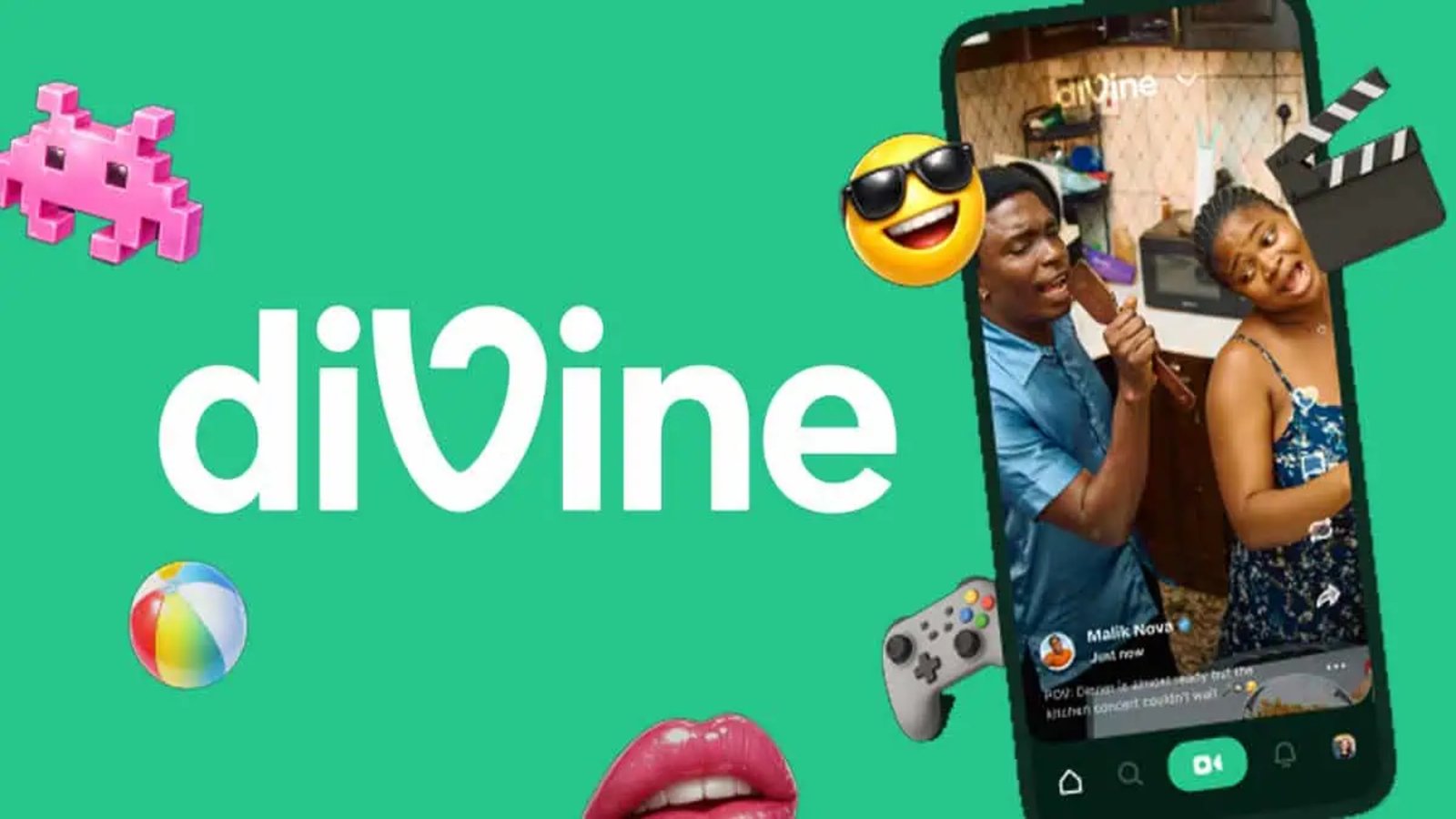
Divine, a spiritual successor to Vine, has been made available to the public after months of beta testing. The new app lets users create and share videos that are just six seconds long and play on a loop, much like Vine did back in the day.

The new video-sharing app is not affiliated with the original video service Vine, which was owned by X, then known as Twitter, but it is inspired by it. Divine was funded by Jack Dorsey’s nonprofit, “and Other Stuff,” which supports experimental open-source projects and tools aimed at reshaping social media. Divine’s founder, Evan Henshaw-Plath, who goes by the name Rabble, was an early Twitter employee.
Divine currently hosts more than two million original Vine videos. The app is built on the decentralised Nostr system, meaning it isn’t controlled by a single company. Users can potentially move their accounts and content to other Nostr-based services, similar to how platforms like Bluesky and Mastodon work.
Perhaps the biggest difference between Divine and other short-form video creation and sharing apps is its strict policy against AI-generated “slop.” On the website’s FAQ page, Divine outlines several ways it aims to keep the platform free from AI-generated content. For example, users have to record videos live in the app rather than upload them from elsewhere. It will also use a verification tool called ProofMode, which works like a digital receipt for the media.
The launch of Divine brings back memories of Vine, which was once considered a pioneer of short-form video long before Instagram and
TikTok became popular and transformed the social media landscape. In 2012, Twitter acquired Vine Labs, a New York-based startup behind the viral sensation Vine. The app allowed users to embed six-second videos in their tweets. Videos posted on Vine played on an infinite loop, similar to animated GIFs, an image format that has been popular since the early days of the internet.
Story continues below this ad
 Divine was founded by former Twitter employee Evan Henshaw-Plath. (Image credit: Divine)
At its peak, Vine had about 100 million people watching videos every month and generated 1.5 billion daily video loops. However, in 2017, Twitter decided to shut down Vine as part of efforts to reduce headcount and costs. Before the app was completely shut down, Vine was already struggling with declining user numbers. Twitter had integrated video sharing directly into its main mobile apps and was also experimenting with live video through Periscope.
In recent months, there has been a lot of chatter going on to revive older social media apps that were once a staple among mainstream users. MySpace, for example, is also staging a comeback, the owners revealed in a recent documentary. MySpace, co-founded by Tom Anderson and Chris DeWolfe in 2003, was acquired by the Vanderhook brothers in 2011. It became known for its quirky interface, customizable profiles, fun designs, and its iconic first friend, Tom. The platform had about 115 million visitors per month in 2008 but was overtaken by Facebook, which later became the social media behemoth.
Analysts, however, note that while these OG social media platforms may be looking to make a nostalgic comeback, they face tough challenges. Competition is fierce, attracting advertisers is difficult, regulatory requirements are stringent, and consumers are increasingly less receptive to social media.