

7 min readNew DelhiSep 19, 2026 09:16 AM IST
The first gadget I bought as a journalist was a dictaphone. Well over a decade ago, the smartphone killed that device once and for all. Now, with transcription and note-taking emerging as one of the best use cases of generative AI, companies like Plaud believe they have an opportunity to create a “work companion” device. The Plaud Note Pro is the most premium of their devices, but it also makes you realise you need more than great tech to make a product successful.
Design and setup
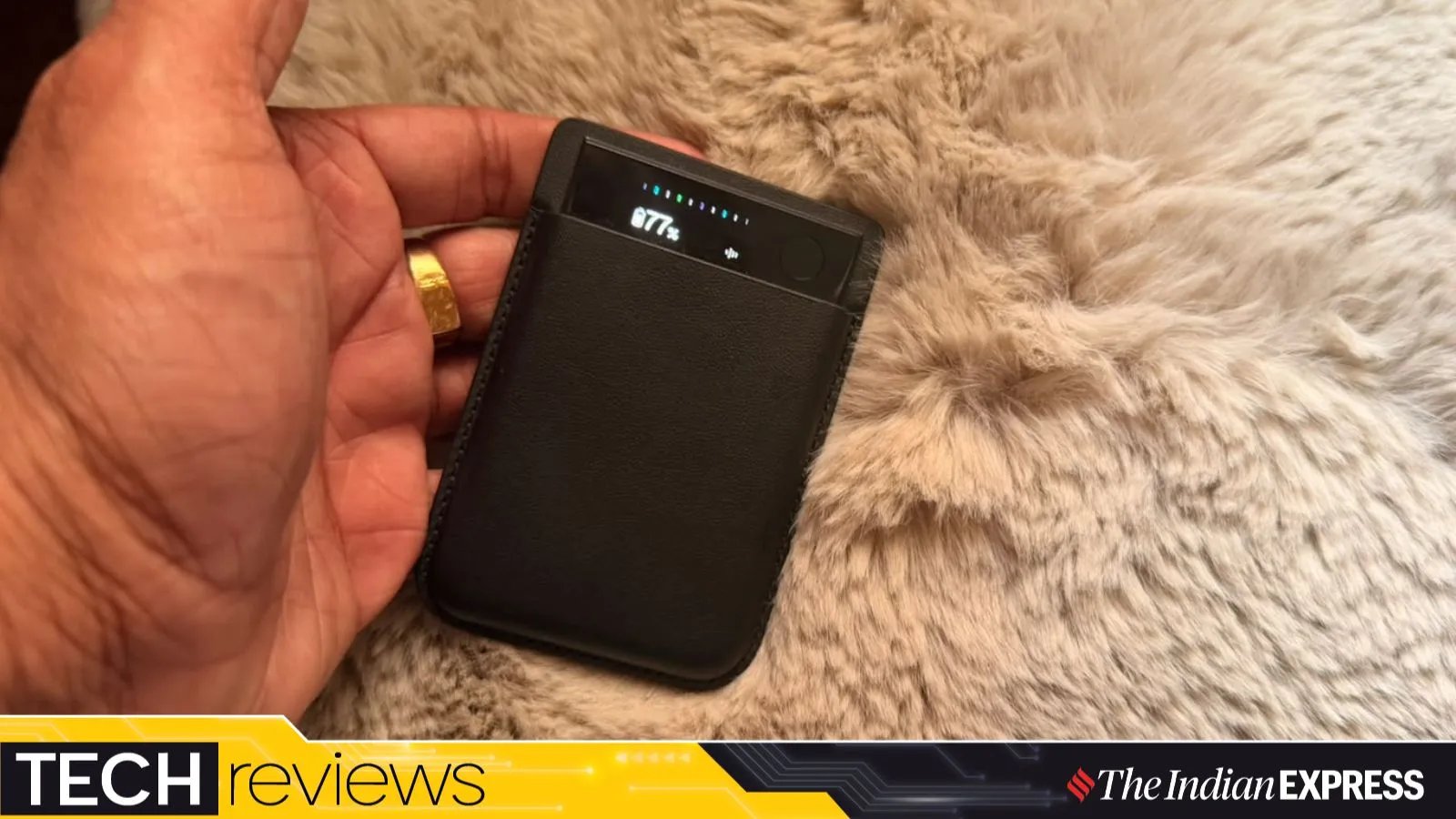
The Plaud Note Pro is a small cassette-like device that you can carry in the shirt pocket or attach to the back of your iPhone using MagSafe. It comes with a case but stays compact even with the sleeve on. There is a button at the back to start or stop note-taking and to highlight important parts of a conversation, and an LED strip that shows battery status, recording, and the moments you are highlighting.

The Plaud app gives you access to all the transcripts, which are transferred from the device to the phone. The files don’t sync automatically and need you to open the app, though you can set an auto-transfer mode for easier use. Each recorded conversation or meeting opens with tabs for the full transcript and for notes that have been cleaned up and formatted using AI. You can also add pictures to the transcript. Useful if you are sitting through a presentation.
 The Plaud Note Pro attaches to the back of an iPhone using MagSafe, making it easy to carry as a dedicated AI recorder. (Image: Nandagopal Rajan/The Indian Express)
Transcription that speaks India’s languages
The transcripts are high quality, with near 100% accuracy except for names and very local linguistic usages. I like how long conversations are indexed with time-stamped chapters, so you can jump to the important parts. The best aspect is how well Plaud handles the multilingual conversations we are used to in India — the device understands over 180 languages, including many Indian ones, and you can then ask the app to convert the notes into a language of your choice. The notes read like good AI summaries and even offer visual mind maps. However, since most of us use dedicated AI platforms for work, this could be overkill, especially if it adds to Plaud’s cost.
The mics are genuinely good, picking up voices from across a room and deciphering them well. In a large conference room, this could be a permanent fixture in the middle of the table. For me, it became a permanent fixture on the back of my phone, where it transcribed both sides of a call cleanly.
 Plaud Note Pro supports multilingual transcription, including several Indian languages, with AI-generated summaries and mind maps. (Image: Nandagopal Rajan/The Indian Express)
Now, regarding consent, the device itself does not alert the room that it is recording, and it is completely up to the person initiating the transcription. The only indicator is the blinking LED, which can very easily be hidden on such a small device. Once the recording syncs with the app, it is sent to OpenAI and other AI platforms for processing, and the structured notes are sent back to the app. Plaud claims the recording is removed from the AI platforms afterwards.
The one button I kept forgetting
Using the device is easy: a single press starts it, and the LED lights up to confirm. The flickering LED tells you it is transcribing, and a double-press switches it off. That double-press was my biggest problem: I kept forgetting to do it.
Story continues below this ad
That matters because of how the Plaud software works. The device comes with 300 minutes of free transcription a month, and with me constantly forgetting to switch it off, I ran through the limit in a couple of days. Since the device isn’t constantly linked to the app, it can’t turn itself off when it hears nothing for a while. This is its biggest disadvantage compared to note-taking apps like Granola. If you start rationing a device you have bought, it defeats the very purpose of owning it.
A couple of hardware caveats compound this. Because I charge my iPhone wirelessly most of the time, I had to keep taking the device off and then forget to put it back. It also needs a proprietary charger, so you have to keep that charger where you need it, though a full charge is good for at least 50 hours of listening. Transferring long meetings takes a few minutes, so it’s better to leave auto-sync on, which may nibble at the battery.
The maths of leaving it on
Once the free minutes run out, you can top up or start an unlimited subscription at Rs 2,075 a month. For a Rs 20,990 device, that takes the first-year cost of ownership to close to Rs 46,000. For regular users, unlike me, there is an annual plan at Rs 9,900, though it caps transcription at 1,200 minutes a month, or roughly 40 minutes a day. That is plenty for most people; I should be counted as a rare power user who, for context, sat in about 300 minutes of meetings yesterday.
My real issue is the comparison. The Granola app I use for transcription gives unlimited minutes, and you pay only to unlock the full archive and some other features. It also goes everywhere I go and can record from an Apple Watch. Pricing is the main obstacle I see to Plaud’s adoption. There may be room for a simpler transcription-and-notes tier, with the higher-level AI charged separately for those who need it.
Story continues below this ad
Verdict
The Plaud Note Pro is a powerful device that does its job well. But the limited free minutes and the cost of the unlimited plan make it a tough sell for heavy meeting users… the people who would benefit most. For most individuals, including journalists and researchers, the Rs 9,900 annual plan is defensible. But they will need a strong justification for buying a standalone device against using their phone, which also goes everywhere with them. The natural fit may well be institutional buyers who can park it in the middle of a conference room and leave it there.