


Amid growing Houthi activity in the Middle East and their latest attacks on Saudi Arabia, Pakistan, citing its newly formed defence alliance with Saudi Arabia and Turkiye, warned that the pact could be activated if the conflict in Yemen spills over into Saudi territory, saying there should be ‘no ambiguity’ that an attack on any one of the three members would be treated as an attack on all.
What did Pakistan say?
Pakistan has a defence agreement with Saudi Arabia and has cited the pact to warn that it could be activated in the event of an attack on the kingdom. The message from Islamabad is clear: if Houthi attacks against Saudi Arabia continue, the situation could escalate further. Pakistan has also urged Iran to use its influence over the Houthis and prevent the group from carrying out further attacks against Saudi Arabia.
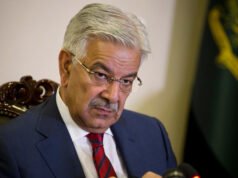
Pakistan Defence Minister Khawaja Asif said the agreement signed by Pakistan, Saudi Arabia and Turkiye in Makkah last month was defensive in nature and required the three countries to respond if any member faced unprovoked aggression. “Under the trilateral agreement, any aggression against any of the three [countries] is regarded as an aggression against all. There is no ambiguity about that,” he said in an interview with Geo TV.
Asif further said that unprovoked aggression or the spillover from Yemen into Saudi Arabia “will definitely” operationalise the Makkah Defence Alliance. “There should be no doubt about it. We are bound by the terms and conditions of this pact, and we will honour them in case there is a need,” he added.
73 injured in attack on Saudi Arabia
Houthi rebels launched an attack on Saudi Arabia, leaving 73 people reportedly injured. In the wake of the attack, Saudi Arabia conducted retaliatory airstrikes in Yemen. Following the attack, Pakistan took a firm stance and invoked its defence agreement with Saudi Arabia.
Meanwhile, Houthi rebels have seized control of the Yemeni city of Mocha. Mocha is a strategically important city located near the Red Sea. Due to its geographical location, the Houthi hold over this area is considered strategically significant. Capturing Mocha could expand Houthi access to the Bab-el-Mandeb Strait—a vital maritime route connecting the Red Sea to the Gulf of Aden. Meanwhile, persistent Houthi attacks on Saudi Arabia have raised questions about the efficacy of the defense pacts involving Pakistan, Saudi Arabia, and Turkey.
The Bab el-Mandeb Strait is a crucial maritime route for international trade, and rising tensions in the area could disrupt shipping and impact global maritime commerce. Against this backdrop, the Houthis’ control of Mocha is not merely a local issue confined to Yemen. Their growing presence around the Red Sea could further heighten security concerns across the wider region.
Why the focus on Iran?
Houthi rebels have long faced allegations of receiving support from Iran. In light of this, Pakistan has directly urged Iran to rein in the Houthis. While Pakistan cites its defense agreement with Saudi Arabia, the latter has launched airstrikes in Yemen in retaliation for Houthi attacks. This situation has sparked fears of escalating tensions among Pakistan, Iran, Saudi Arabia, and the Houthi rebels. All eyes are now on how Iran responds to Pakistan’s warning and what the Houthi rebels’ next move will be.
Also Read
At least 5 dead, dozens missing as massive fire breaks out on passenger ferry in Philippines
Explosions rock Iran’s coast, blasts heard at Saudi air base amid continued tensions in Middle East