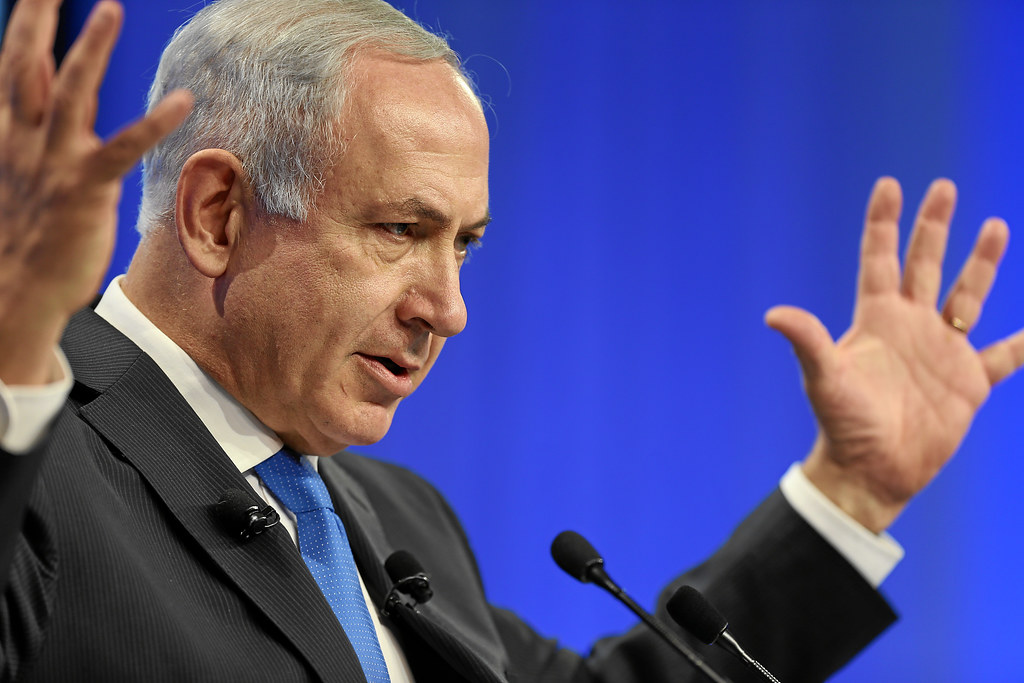

As tensions rise over attacks on energy infrastructure throughout the region, Israeli Prime Minister Benjamin Netanyahu has declared that Israel “acted alone” in bombing an Iranian gas field.
Tehran replied by bombing an energy complex in Qatar and other energy targets in the Gulf after Israel attacked Iran’s South Pars, which is a portion of the largest natural gas field in the world.
Energy prices skyrocketed as a result of the attacks, and US President Donald Trump later claimed he was unaware of them beforehand.
How united Israel and the US are in their war objectives has been called into doubt by the repercussions.
The Israeli leader claimed during a press conference on Thursday that Trump had asked that such assaults on energy targets cease.
Three unidentified Israeli officials were cited by the Reuters news agency earlier on Thursday as stating that the attack on South Pars had been prearranged with the US but that they were not shocked by Trump’s response.
Additionally, Netanyahu denied that his nation had “misled” Trump or pulled the US into the conflict, claiming that no one could advise the US president.
The US and Israel’s war against Iran, which had previously retaliated by limiting shipping via the Strait of Hormuz, escalated with the attacks on oil facilities.
The Strait of Hormuz, which runs along a portion of Iran’s coast, typically carries about a quarter of the 100 million barrels of oil that the world uses each day.
QatarEnergy stated that approximately 17% of its export capacity would be impacted by the Iranian attack on Qatar’s Ras Laffan industrial sector, which houses the largest LNG processing plant in the world.
Mohammed bin Abdurrahman Al-Thani, the prime minister of Qatar, described the attack as a “very dangerous escalation” and warned that it would have “significant repercussions for global energy supplies”.
Iran would exhibit “zero restraint” if its infrastructure was attacked once more, according to Iran’s Foreign Minister Abbas Araghchi.