

Bisleri says independent tests found bromate levels within permissible limits after FSSAI declared a packaged water sample from its Goa facility unsafe
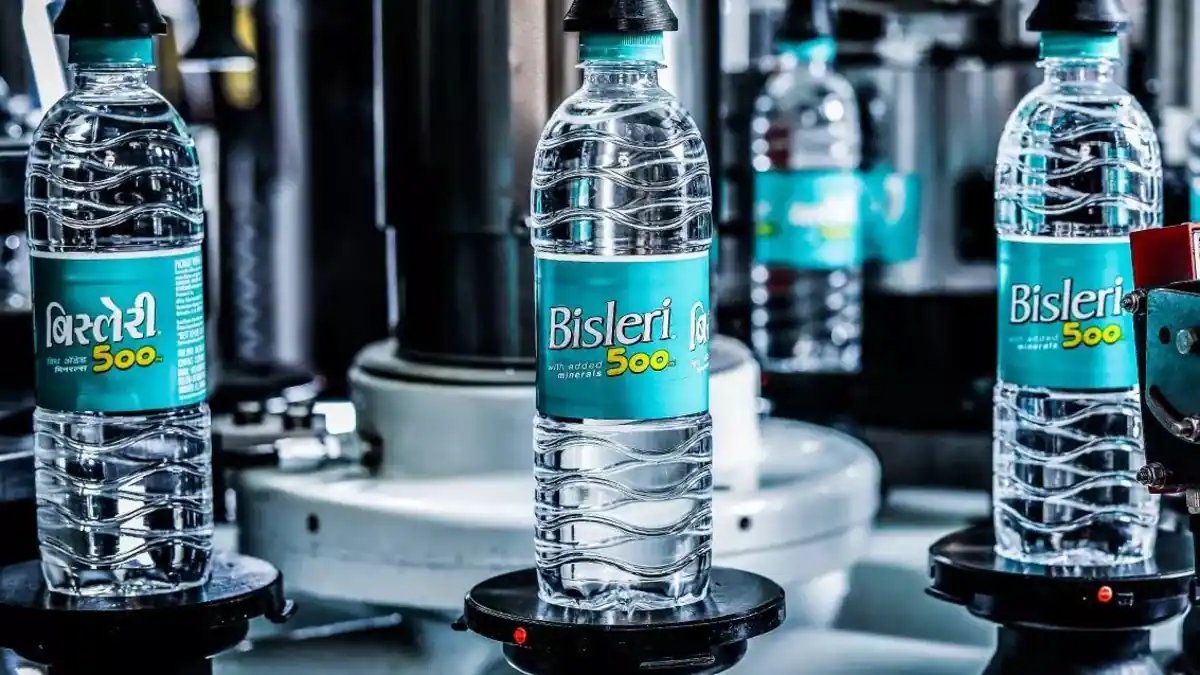
Bisleri International has defended the safety of its packaged drinking water after the Food Safety and Standards Authority of India (FSSAI) declared a sample from its Goa facility unsafe and sanctioned prosecution against the company. Bisleri said independent tests arranged by it found bromate levels within prescribed limits and that it would cooperate with the regulator.
In a statement on Monday, the company said the matter relates to a batch produced in September 2025 at its Goa manufacturing facility. It said FSSAI had collected six samples from the plant in September last year, of which five met all applicable standards.
The sixth sample recorded bromate levels of 12 micrograms per litre, marginally above the prescribed limit of 10 micrograms per litre, according to the company.
Bisleri said it appealed against the initial finding in November, 2025, following which FSSAI sent the sample to a referral laboratory for further examination.
The referral laboratory found bromate levels within the prescribed limit but separately flagged polynuclear aromatic hydrocarbons (PAHs), the company said. Bisleri added that the difference between the findings raised questions that required clarification.
 More from Business
The company subsequently arranged for the same sample to be tested at an independent FSSAI-approved laboratory. According to Bisleri, the test found bromate levels within the prescribed limit.
Bisleri said it submitted the independent test results to FSSAI’s Western Regional Office through a formal letter dated February 2, 2026. It added that it had received no further communication from the regulator and understood the matter to be closed.
The company also said it had not received the reported notice through email or in hard copy and had been unable to locate it on FSSAI’s website.
“Drinking water safety is a priority for Bisleri. We maintain stringent quality controls of over 90 tests across our 10-step manufacturing process and will continue to cooperate with FSSAI to address the matter through the appropriate regulatory process,” the company said.
FSSAI steps up testing of packaged water brands across India
The FSSAI has widened its scrutiny of the packaged drinking water industry following the action against Bisleri. According to media reports, samples from other packaged drinking water brands across the country have been collected and are already being tested.
According to reports, inspections and compliance checks would continue across the industry. FSSAI is examining companies across the packaged drinking water market and could take action against any manufacturer found violating prescribed food safety standards.
The development could bring other major packaged water brands, including Coca-Cola’s Kinley and PepsiCo’s Aquafina, under regulatory scrutiny.
Why has FSSAI declared the Bisleri sample unsafe?
FSSAI announced on Sunday that it had sanctioned prosecution against Bisleri International after a regulatory sample of its packaged drinking water was found non-compliant with prescribed safety standards.
The sample, categorised as packaged drinking water other than mineral water, was collected from the company’s premises for laboratory analysis.
According to the regulator, the initial examination found that the sample did not comply with prescribed bromate limits and was declared unsafe under the Food Safety and Standards Act, 2006.
Bisleri subsequently challenged the finding. The sample was then sent to a referral food laboratory for further examination.
However, the second laboratory also declared the sample unsafe after detecting PAHs, FSSAI said.
The findings established violations relating to unsafe food under the law, prompting the regulator to sanction prosecution against the company.
Bromate can form as a by-product of certain water disinfection processes, particularly when ozone reacts with naturally occurring bromide in water. Long-term exposure to elevated levels has been associated with health risks, including cancer.
PAHs are a group of chemical compounds found in substances such as crude oil, coal and petroleum products. Some PAHs are known or suspected carcinogens. They can enter drinking water through environmental contamination and materials used in water distribution systems.
FSSAI has not publicly identified the specific PAH compounds detected in the Bisleri sample or disclosed their concentrations. This makes it difficult to assess the precise health risk associated with the finding.
Importantly, the findings concern a particular regulatory sample and do not establish that all Bisleri products are unsafe.
Has FSSAI ordered a recall of Bisleri water?
The prosecution decision has also raised questions about what consumers should do if they have purchased Bisleri water from the affected batch.
FSSAI’s public announcement focused on the laboratory findings and its decision to sanction prosecution. It did not disclose the affected batch numbers, the quantity of water involved or details of a product recall.
Reuters has separately reported, citing a government source, that the batches linked to the unsafe sample had been recalled and that subsequent product testing found no water-quality issues.
Bisleri, meanwhile, said the matter related to a single batch produced at its Goa facility in September 2025. The company maintained that it had submitted independent test results to the regulator in February 2026.
The regulator has not provided a detailed public account of the reported recall, including when the withdrawal took place, how many units were involved or the areas where the affected products were distributed.
This distinction matters because sanctioning prosecution and recalling a product are separate regulatory actions. Prosecution allows legal proceedings to be initiated over alleged violations. A recall is intended to remove potentially unsafe products from circulation and alert consumers.
India’s Food Safety and Standards Act, 2006, already contains provisions for product recalls. Section 28 requires food business operators to initiate withdrawal procedures if they believe or have reason to believe that food they have manufactured or distributed does not comply with food safety requirements and could pose a risk to consumers.
The Food Safety and Standards (Food Recall Procedure) Regulations, 2017, also lay down the framework for recalls and require businesses to maintain traceability records, including batch numbers, manufacturing dates, expiry dates and distribution details.
FSSAI should clarify whether the affected Bisleri batches were recalled, when the withdrawal took place and whether the recall reached retailers and consumers. Publishing the relevant laboratory findings, including the PAH compounds and concentrations detected, would also help consumers understand the regulatory action.