


3 min readNew DelhiSep 1, 2026 03:49 PM IST
Instagram is going hard on fake influencers who pretend to be real people. The platform said Tuesday that it is changing how it labels AI-generated profiles and will start limiting the reach of accounts that feature AI-generated people without disclosing it.
In a blog post titled “Bringing More Transparency to AI-Generated Profiles on Instagram,” the Meta-owned social network said its goal is to let users know when they are seeing an AI-generated profile rather than a human one. Earlier, some of these accounts carried an “AI creator” label, which could easily be mistaken for a human who uses AI to create content. Not anymore.

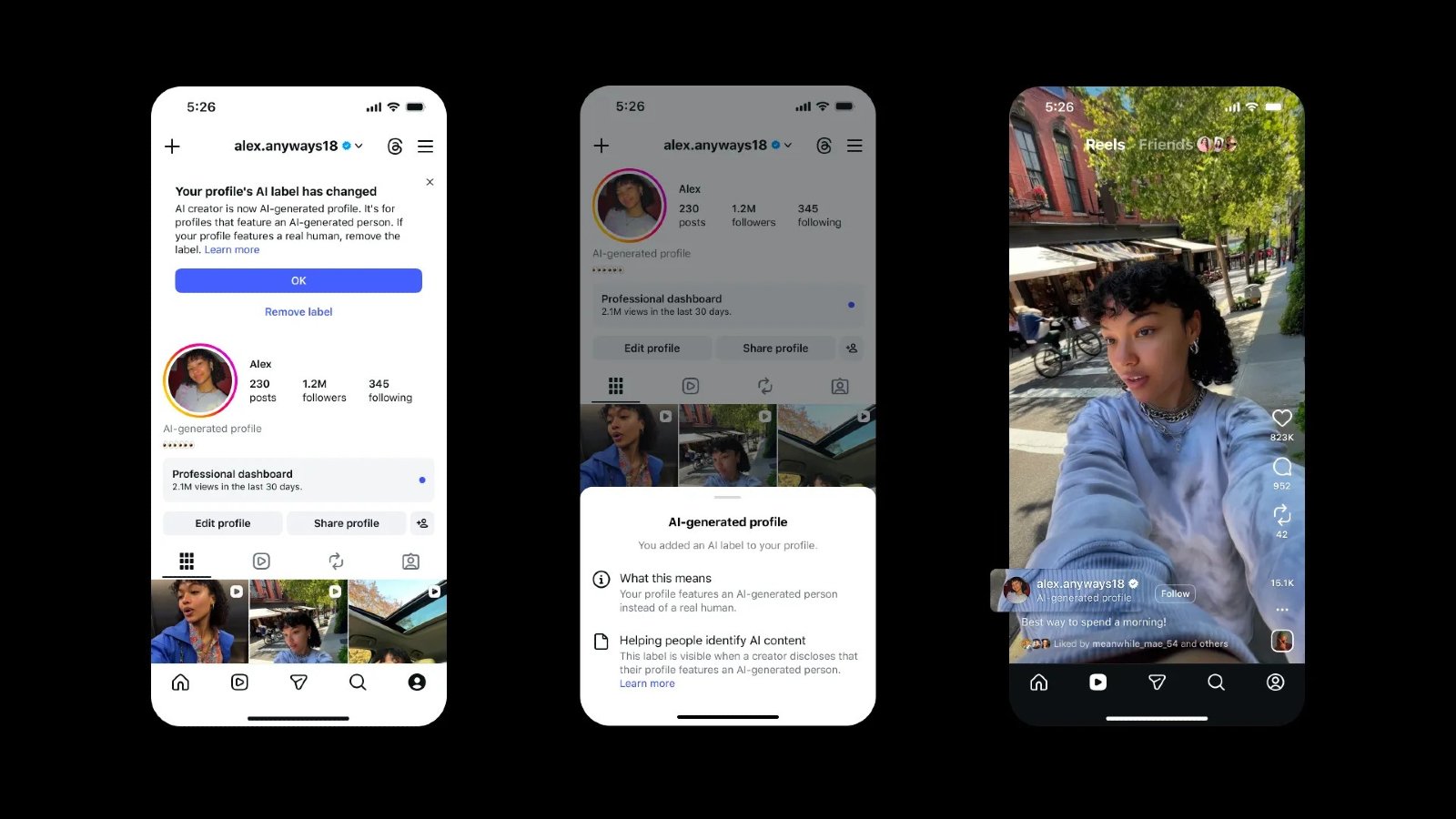
The platform says it’s renaming its old “AI creator” label to “AI-generated profile,” which should make the disclosure easier to understand. The new label is meant to tell users that the person featured in the unlabelled profile was generated or created using AI.
Instagram will add an “AI-generated profile” label to posts, Reels, and Stories from AI influencers. Accounts that fail to use the label could be penalised, limiting their content from being recommended to non-followers across Reels, Explore, and feed suggestions.
 Creators who don’t properly label AI-generated profiles could see their reach reduced. (Image credit: Instagram)
“As generative AI becomes a bigger part of how people create, we’ve heard that people don’t like seeing a profile that seems human, only to find out later that the person featured is AI-generated,” Instagram wrote. “They want to know when a profile features an AI-generated person.
Instagram is requiring profiles of fake influencers to carry an “AI-generated profile” badge directly beneath the handle and display name in the account’s main bio header comes at a time when AI-generated content has been growing on social media and AI influencers become more common across social media platforms.
The announcement follows backlash over an Instagram AI tool that let users generate images using other people’s likenesses without explicit consent. Meta later removed the feature.
Story continues below this ad
Last week, Meta agreed to an $18 billion (£13.3 billion) settlement with U.S. states and territories to resolve claims that Facebook and Instagram harmed children. As part of the settlement, Meta will make changes aimed at better protecting kids online, as demanded by the states, including default daily time limits and nighttime blocks.