

Religion plays a major role in shaping the food, traditions, lifestyle, and daily habits of the people of Punjab. The state is widely known as the spiritual land of Sikhism, although people from Hinduism, Islam, and Christianity also live together in harmony. Religious beliefs deeply influence Punjabi culture, especially its food habits, clothing, celebrations, hospitality, and social values.
One of the biggest examples of religion influencing Punjabi food is the tradition of “Langar” in Sikhism. Every major Golden Temple and gurdwara serves free community meals to thousands of people every day without discrimination of caste, religion, or social status. The food served in langar is usually simple, vegetarian, and healthy, including dal, roti, rice, and kheer. This practice promotes equality, humanity, and selfless service, which are core Sikh values. Because of this influence, vegetarian food holds a strong place in Punjabi cuisine.
Religion also encourages generosity and hospitality in Punjab. Punjabis are famous for warmly welcoming guests with homemade meals, sweets, and tea. Festivals such as Gurpurab, Baisakhi, Lohri, and Diwali bring families and communities together through traditional foods and celebrations. During these occasions, special dishes like makki di roti, sarson da saag, kada prasad, pinnis, and festive sweets are prepared in homes and religious places.

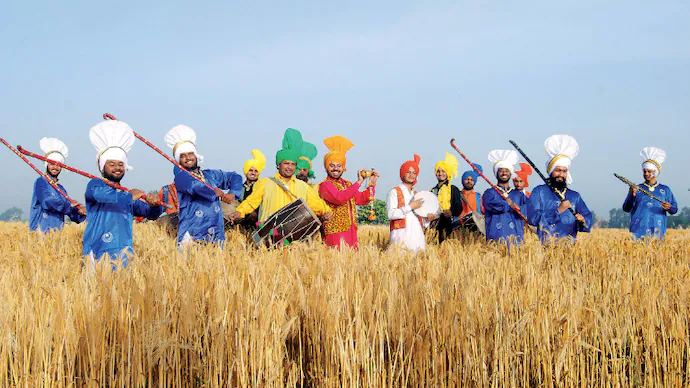
The lifestyle of Punjab is also strongly shaped by religious teachings. Sikhism teaches honesty, hard work, equality, and community service. These principles are visible in everyday Punjabi life. Many people wake up early for prayers and visit gurdwaras regularly. Wearing turbans and maintaining uncut hair are important religious traditions followed by many Sikh men and women. Religious music, especially Gurbani and kirtan, is commonly heard in homes and temples, creating a spiritual atmosphere.
Punjab’s agricultural lifestyle is also connected with religion. Farming is respected as an honorable profession, and many harvest festivals have religious importance. Baisakhi, for example, celebrates both the harvest season and the formation of the Khalsa in Sikh history. Farmers often thank God for a successful crop season through prayers and community gatherings.
Religion also promotes social equality in Punjab. In gurdwaras, everyone sits together on the floor while eating langar, symbolizing that all people are equal. Community service, known as “seva,” is another important religious practice that influences Punjabi society. People volunteer in temples, help the poor, organize blood donation camps, and support disaster relief activities.
Overall, religion is deeply connected with the identity and culture of Punjab. It shapes not only the food people eat but also their values, traditions, celebrations, and way of life. The blend of spirituality, hospitality, and community service makes Punjab a unique and culturally rich state in India.