

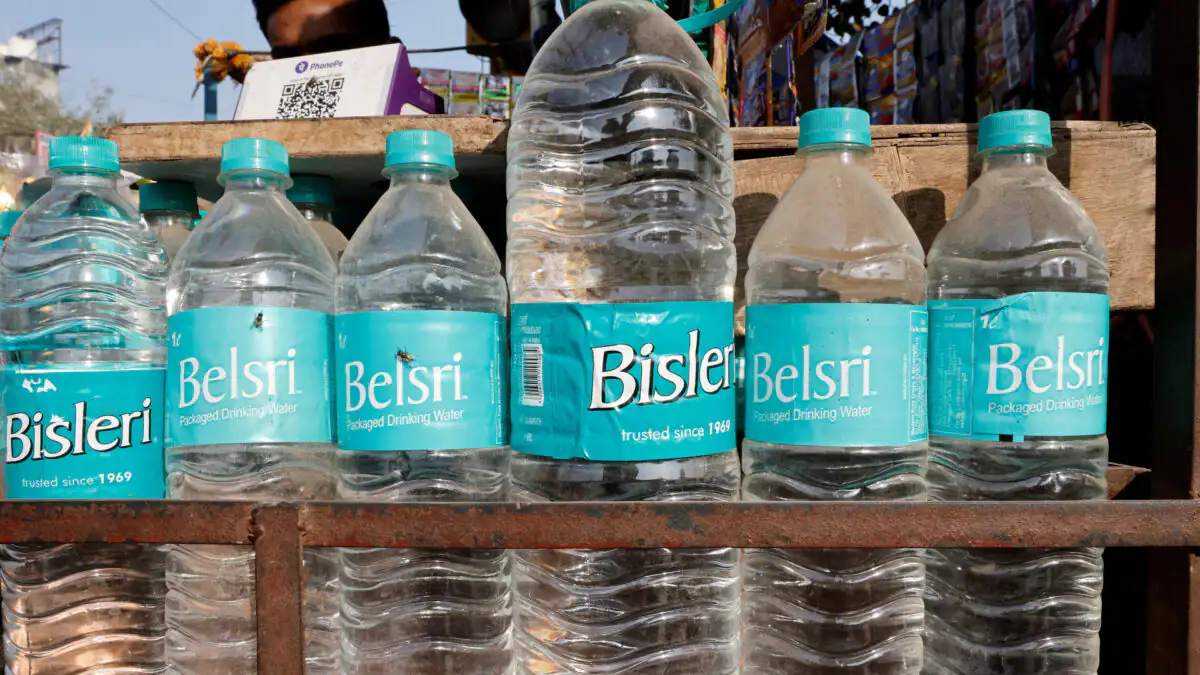

Bisleri says two independent FSSAI-recognised laboratories found the West Bengal batch compliant with safety standards, contradicting regulatory findings that led to its recall in August
Two independent laboratories have found no violation of food safety standards in a Bisleri water batch from West Bengal, contradicting regulatory findings that detected coliform bacteria and prompted a recall in August, the company said in a statement on Saturday. Bisleri has now sought a review by the Food Safety and Standards Authority of India (FSSAI).
The affected batch, identified as PB201, was manufactured at Bisleri’s facility in Telipara, in West Bengal’s Jalpaiguri district. FSSAI had prohibited its sale on August 12, 2026, after regulatory testing found the presence of coliform bacteria.
Bisleri said the primary and referral laboratories involved in regulatory testing had reported the presence of coliform bacteria in the sample. However, the company subsequently commissioned independent tests at two FSSAI-recognised laboratories, both of which found that the samples met the applicable standards for coliform bacteria and other food safety requirements.
The company said the difference between the regulatory and independent findings warranted a thorough review.
Bisleri has called on FSSAI to examine the sampling process, testing methodology, laboratory findings and other factors that may have contributed to the variation in results.
“We expect this matter to be assessed against the same standards applied across the industry,” the company said, adding that it would continue to cooperate with FSSAI to establish the facts.
What did FSSAI find in Bisleri’s water sample?
According to a regulatory notice dated August 12, as reported by Reuters, FSSAI informed Bisleri that the sample from batch PB201 was non-conforming and unsafe because of the presence of coliform bacteria.
 More from Business
The primary laboratory and the referral laboratory both reported the presence of the bacteria. A government official also told Reuters that the sample was tested again for confirmation and was still found unsafe.
Coliform bacteria are used as indicators of possible contamination and inadequate sanitation in water and food products. Their presence in drinking water can point to potential problems in treatment, handling or distribution.
Bisleri, however, has questioned the findings by citing the results of the two independent laboratory tests it commissioned. The company has not said that the regulatory findings have been withdrawn.
Another food safety concern for Bisleri
The West Bengal case comes days after another Bisleri water sample attracted regulatory scrutiny over chemical contamination.
As reported by Reuters on November 22, FSSAI found that a sample of Bisleri packaged drinking water collected in Goa did not comply with prescribed safety standards because of the presence of bromate.
The regulator subsequently reported that a referral laboratory had also detected polynuclear aromatic hydrocarbons (PAHs) in the sample and initiated prosecution proceedings against the company.
The proceedings could result in penalties, including a fine and imprisonment, depending on the outcome of the case.
The two cases involve different findings. While the West Bengal sample was flagged for coliform bacteria, the Goa sample raised separate concerns over chemical contamination.
FSSAI steps up surveillance of packaged drinking water companies
The developments have put India’s packaged drinking water industry under greater regulatory scrutiny.
On November 26, Reuters reported that FSSAI had directed state authorities to strengthen oversight and intensify surveillance of packaged drinking water and mineral water manufacturers.
The regulator asked states to conduct regular inspections and risk-based sampling of products, adding that appropriate action should be initiated in cases of non-compliance.
The expanded checks are expected to cover major companies operating in the sector, including PepsiCo, Tata Consumer Products, Coca-Cola and Reliance Consumer Products.
India’s packaged drinking water market, valued at around $3.5 billion, has grown as consumers increasingly rely on bottled water amid concerns about the quality of drinking water supplies.
Bisleri remains one of India’s leading packaged drinking water brands, competing with domestic and multinational players in the expanding market.