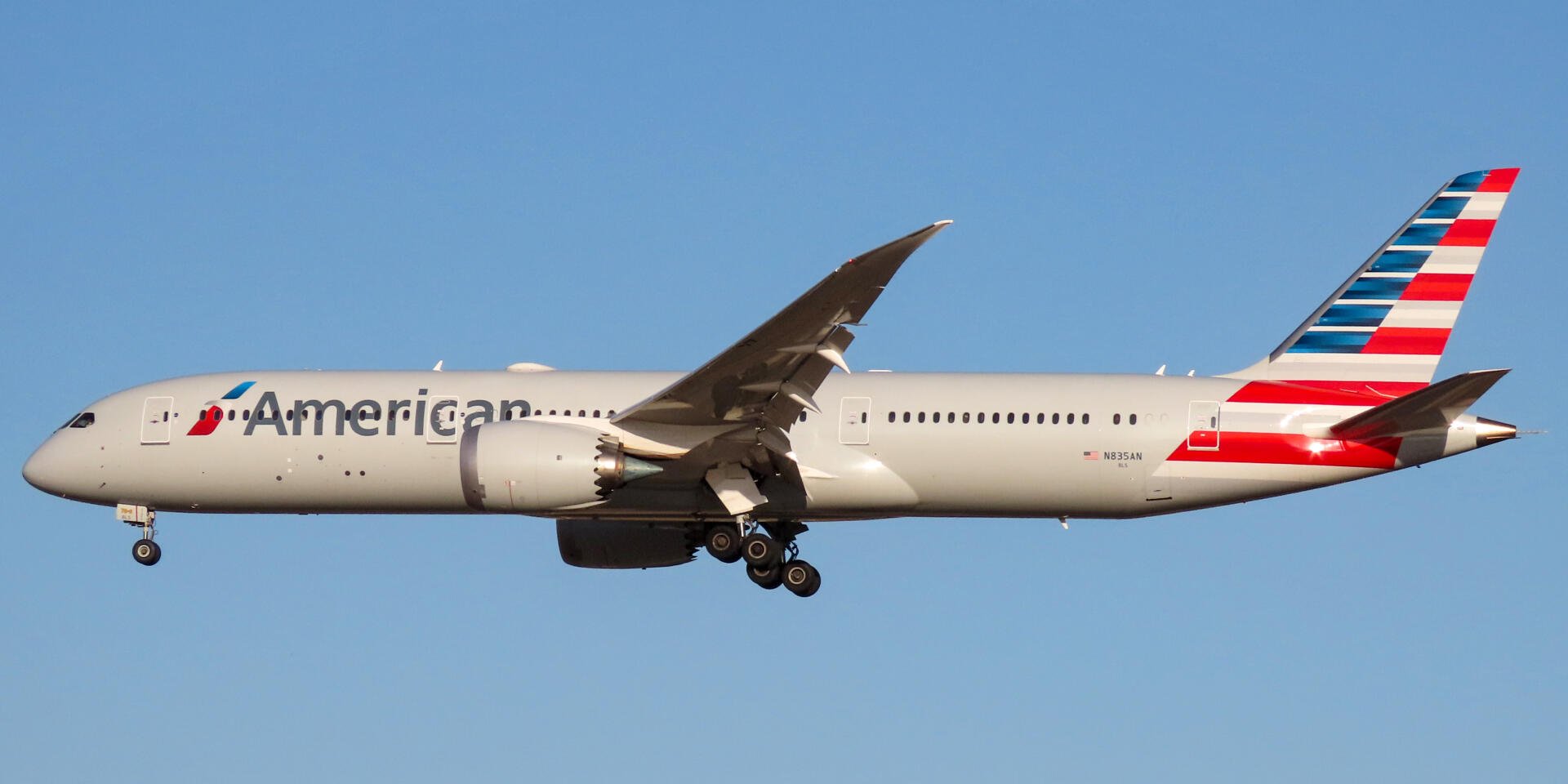

In an effort to ensure safety during the ongoing government shutdown, the US government announced on Wednesday that it will reduce aviation traffic by 10% across 40 of the country’s largest markets starting Friday morning.
Thousands of flights around the country could be affected by the change. Every day, the aviation system manages around 44,000 flights, including private, cargo, and passenger aircraft.
According to the news agency Associated Press, air traffic controllers have been working unpaid since October 1, and rising absenteeism has left shifts understaffed, resulting in growing aircraft delays.
Bryan Bedford, the head of the organization in charge of air traffic operations, stated, “We can’t ignore it.” “We’re not going to wait for a crisis to take action.”
Bedford and Transportation Secretary Sean Duffy announced that they will meet with airline executives to finalize the safe implementation of the reduction. On Thursday, the impacted markets will be identified.
Bedford continued, “We’ll come back and take additional measures if the pressures continue to build even after we take these measures.”
AIRLINES PREPARE FOR CHANGE
Airlines have already made the necessary adjustments. According to Southwest Airlines, it is examining itineraries and will get in touch with passengers whose flights might be impacted.
The airline stated, “We continue to urge Congress to immediately resolve its impasse and restore the National Airspace System to full capacity.”
Storms and crew shortages are two common causes of flight delays. However, the system has entered unfamiliar ground as a result of this shutdown, which is currently the longest in US history.
According to an Associated Press study of operations data, last weekend witnessed some of the biggest shortages ever, with at least 39 control centers reporting low staffing. That weekend average was only eight prior to the outage. It has quadrupled to almost 26 since October 1.
STRAIN MOUNTING ON UNPAID CONTROLLERS
The majority of controllers work required six-day workweeks, which leaves little time for additional revenue. Fatigue and financial strain are increasing.
This week, Transportation Secretary Sean Duffy issued a warning that if controllers fail to deliver another paycheck on Tuesday, “chaos in the skies” may break out.
He claimed that rather than responding to a crisis, the decision to reduce flights was intended to avert one.
In reference to the fatal airborne crash that occurred in January close to Reagan National Airport, Duffy stated, “We learned from that.” “We now take action before a crisis arises, which is what’s taking place right now.”
Leaders in the travel industry, aviation unions, and major airlines have called on Congress to promptly end the shutdown, cautioning that America’s flight safety system is being put to the test like never before.