
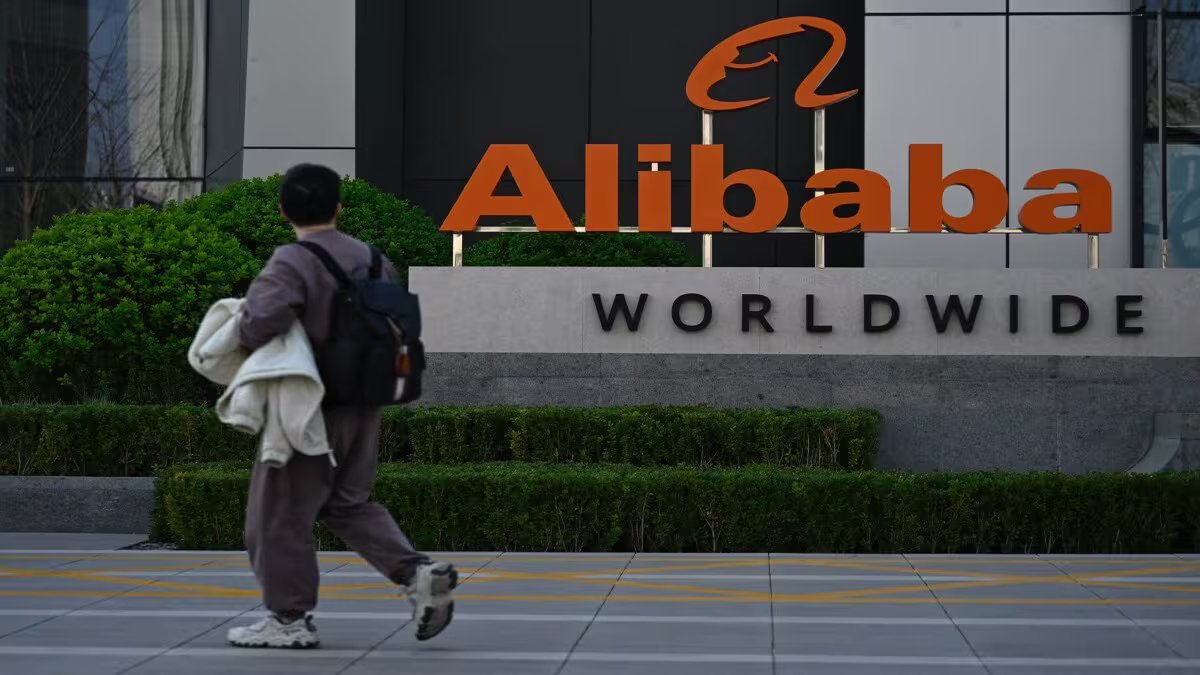

Alibaba’s biggest-ever Hong Kong follow-on share sale is aimed at funding its AI ambitions, but the discounted deal has sparked concerns over shareholder dilution and the returns on its massive technology spending.
Alibaba shares plunged nearly 10 per cent on Monday after the Chinese technology giant launched a $10.2 billion share sale at an 8.4 per cent discount, as investors weighed the benefits of its aggressive AI push against dilution and execution risks.
The company is offering HK$80 billion ($10.2 billion) in new shares at HK$112.70 apiece, below its Friday closing price. Alibaba shares ended morning trading 9.8 per cent lower at HK$111. The fundraising is the largest-ever primary follow-on offering by a Hong Kong-listed company and is designed to finance Alibaba’s expansion in AI chips, computing infrastructure and large language models.
Despite the discounted pricing, the offering has attracted strong investor interest, with the order book drawing around $28 billion in demand, according to people familiar with the deal. Long-only and sovereign investors accounted for about $6 billion of that demand, with roughly 40 per cent of the offering expected to go to such investors.
The share sale comes as Alibaba accelerates spending on artificial intelligence. The company has committed nearly half of its planned 380 billion yuan ($56.5 billion) three-year capital expenditure programme and has brought forward its expected payback period on AI investments to two-and-a-half years from three years.
 More from Business
But the AI push is already hitting earnings. Alibaba reported last week that quarterly net profit slumped 75 per cent from a year earlier, primarily due to higher AI-related spending. The capital raise also underscores the intensifying global race to fund AI infrastructure.
US technology giants including Alphabet and Intel have also announced multibillion-dollar equity raises to finance their AI strategies. Still, Chinese technology companies are investing far less than their US counterparts.
Capital Group estimates that AI-related capital expenditure by major US hyperscalers reached $791 billion as of July 31, compared with about $118 billion for ByteDance, Alibaba, Tencent and Baidu. For investors, Alibaba’s latest move presents a familiar AI dilemma: the company needs to spend heavily to compete, but shareholders must absorb dilution before those investments deliver returns.