


Google is launching four new smartphones under the Pixel 11 series with a strong emphasis on AI as it pushes deeper into India’s premium market, following a playbook that has helped Apple gain a strong foothold in the world’s most populous country.
All four models including the top-end Pixel 11 Pro Fold feature improved cameras and performance, along with longer-lasting batteries, compared with last year’s lineup. The Pixel 11 lineup also comes with at least 256 gigabytes of storage, doubling the minimum storage capacity from the previous generation.
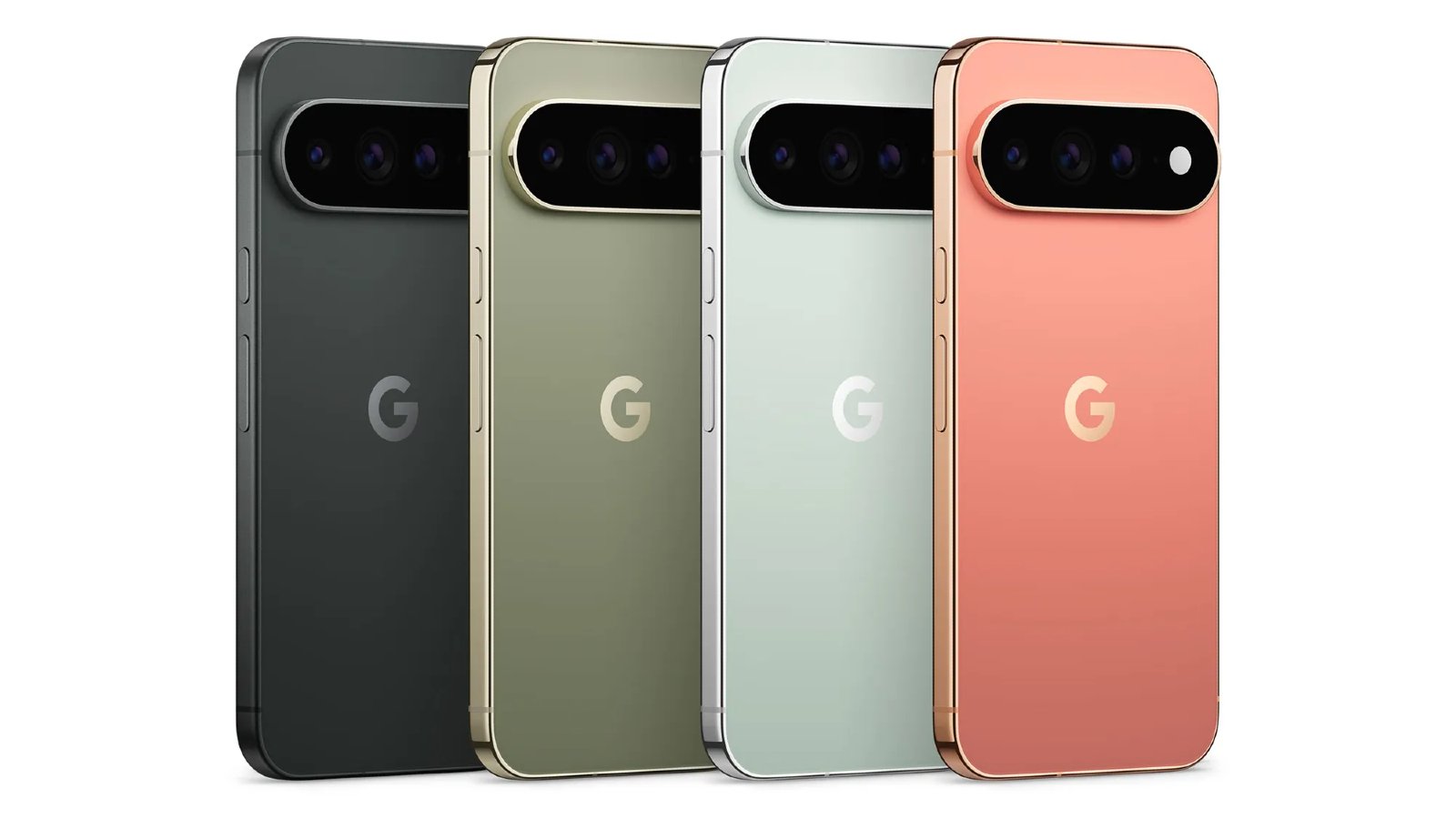
All four new smartphones come with a familiar design but are now offered in brighter colour options. Although the design remains largely unchanged, Google is adding a brand-new hardware feature called HiLight, an ambient LED array for notifications and Gemini interactions. The HiLight feature is built next to the newly designed camera bar with edge-to-edge glass on the back of the device.
The base model, Pixel 11 features a 6.3-inch 3,000-nit Actua display, 12 GB of RAM, a 48 MP main camera with 30x Super Zoom, and fast charging that reaches 55 per cent in 30 minutes. The higher-end Pixel 11 Pro and Pro XL feature a 6.8-inch 3,600-nit Super Actua display and up to 16 GB of RAM with 512 GB of storage.
 Mitul Shah, Managing Director, Devices and Services, Google India, at the India edition of Made by Google 2026. (Image: Anuj Bhatia/The Indian Express)
They offer advanced camera systems, which include a 50 MP main camera with 120x Pro Zoom for the first time on a Pixel phone and Instant Night Sight. Both models offer over 30 hours of battery life, with the XL model reaching a 75 per cent charge in about 30 minutes, and the Pro reaching 55 per cent in the same timeframe.
Meanwhile, the Pixel 11 Pro Fold has a book-style form factor and features an 8-inch Super Actua Flex display that is 20 per cent brighter than previous versions and a brighter 6.4-inch screen on the outside. It includes 16 GB of RAM, a 48 MP camera system with 30x Super Zoom, and features such as Split Screen and Drag and Drop to improve productivity.
Google is also adding a new Bubble feature, which lets users access apps like the browser, Calendar, or Gemini as floating windows. Google claims the new foldable phone is three times more durable and features IP68 dust and water resistance, along with a new composite back material that is less susceptible to cracking.
 All four new smartphones come with a familiar design but are now offered in brighter colour options. (Image: Anuj Bhatia/The Indian Express)
The new Pixel 11 series is powered by the Google Tensor G6 processor and Titan M3 security chip, offering improved performance, efficient AI processing, and advanced privacy protections. All four devices run Android 17 and Gemini Intelligence, which combines the company’s top AI tools into a single system designed to be more proactively useful. It can automate tasks by directly interacting with apps already installed on the phone. These tasks could include selecting and ordering a takeaway, turning a grocery list into a shopping basket ready for delivery, or finding a class book list in an email and ordering the required textbooks. Gemini will queue up the orders before handing them over to the user for final confirmation.
The phones also support various AI-powered features, especially those designed to improve photographs, giving them an edge over other smartphones on the market, including the iPhone.
 The Pixel 11 Pro Fold puts Google in direct competition with Samsung and Apple’s rumoured foldable iPhone, which is expected to launch in September. (Image credit: Google)
Grappling with memory crisis, bets on India’s premium segment
The new Pixel 11 series smartphones are launching at a time when the industry is facing a shortage of memory chips, which are essential components in devices such as smartphones. However, the boom in artificial intelligence (AI) has driven up memory chip prices in recent months, forcing both smartphone and PC brands to pass on the higher cost to consumers.
Google is following in the footsteps of its peers and has hiked the prices of the Pixel 11 series in India, in line with companies such as Samsung, which also raised prices for its recently launched foldable smartphones. The base Pixel 11 starts at Rs 89,999, an increase of Rs 10,000 from the previous model. The Pixel 11 Pro and Pixel 11 Pro XL start at Rs 119,999 and Rs 134,999, respectively. For comparison, last year’s Pro models started at Rs 99,999 and Rs 119,999. The highest-end Pixel 11 Pro Fold starts at Rs 186,999, representing a substantial price increase over the previous-generation model.
 Google has been doubling down on India’s growth story and how the premium smartphone market is shaping up. (Image: Anuj Bhatia/The Indian Express)
Although most of the upgrades to the Pixel 11 series are similar to the incremental improvements seen in recent years, Google appears to be taking note of Apple’s playbook and the strategy the Cupertino-based tech company has adopted to make a deeper dent in India’s premium smartphone segment.
“The Pixel series has evolved significantly, with a continued focus on showcasing how Google views Android software and hardware optimisation,” Tarun Pathak, Research Director, Devices and Ecosystems at Counterpoint Research, told indianexpress.com.
Back in the early years of Pixel, consumer feedback overwhelmingly showed that people were buying the devices for their exceptional photography capabilities.
“Fast-forward to the Pixel 11 series, and while its computational photography is still arguably the best, the tighter integration with the Google ecosystem, especially the new AI experiences, is likely to be the main differentiating factor.
“With this deeper Gemini integration, the company is leapfrogging the competition with capable agentic AI experiences,” he added.
One of the things Google did this year was reduce the RAM in the base versions of the Pixel 11 Pro and Pro XL. They have 12GB of RAM, compared with 16GB in the previous generation of Pixel phones. This is an indicator of how much the RAM crisis has deepened, with brands cutting back on launching smartphones with higher RAM capacities.
“That will constrain developers who want to run a non-Google LLM and may reduce Google’s local AI capabilities on the more basic Pixel 11 devices,” said Andrew Cornwall, Senior Analyst at Forrester.
Cornwall admits that Google’s strategy with the Pixel still hinges on software as a major differentiator, especially in how it is integrating AI deeply into the core of the Android operating system. “The Pixel 11 does appear to have a lead with Google’s AI, however. Apple has been struggling with a capable Siri that’s context aware,” he said. “Google is headed in the direction of an integrated AI assistant and will want to make it easy for app developers to share context from their apps. That will give the company knowledge about the user that an AI agent can leverage to provide useful assistance with daily activities.”
“It doesn’t look as if Google wants to be the sole provider of hardware in the way that Apple does,” said Cornwall. “By allowing other vendors they provide price flexibility that Apple can’t. However, with every Google Play Services release they are locking down the ecosystem further, and it’s clear they want a similar level of control over the software that gets installed on devices that run Google apps,” he added.
Pixel’s room for growth
There is room for the Pixel brand to grow in India. Google’s Pixel brand has less than 1 per cent of the smartphone market share in India. However, in recent quarters, Pixel recorded the highest growth in the ultra-premium segment (above Rs 45,000), at 68 per cent year-on-year, according to Counterpoint Research. Apple’s shipments, however, declined 3 per cent year-on-year in Q2 2026, while its market share reached 7 per cent.
Google has been doubling down on India’s growth story and how the premium smartphone market is shaping up. The company has ramped up its marketing efforts, spending millions through the Indian Premier League (IPL), expanding its retail footprint, and keeping prices unchanged. However, the real test for Google begins in the wake of the memory crisis. With the prices of its new Pixel 11 series now higher, it remains to be seen whether the company can sustain its momentum in India.
India’s smartphone market fell 10 per cent in Q2 2026 as rising prices hit demand, with consumers feeling the pressure and becoming more reluctant to upgrade to newer phones.
Despite the slowdown in smartphone sales, Pathak expects the Pixel 11 series to deliver double-digit year-on-year growth for the brand in India in 2026. However, he warned that competitive pricing and wider retail availability will be critical to sustaining this momentum.
In global markets, Pixel smartphone shipments rose 9 per cent year-on-year in H1 2026, while India saw much stronger growth of 79 per cent, driven by strong demand for the Pixel 10 and 10a, Pathak added.
“Pixel’s biggest challenges remain its relatively limited scale, retail distribution, and ecosystem presence compared with Apple and Samsung. Competing directly with the iPhone on volumes will remain difficult in the near term, given Apple’s larger aspirational installed base, strong brand pull, resale value, and ecosystem lock-in,” he added.
 In global markets, Pixel smartphone shipments rose 9 per cent year-on-year in H1 2026. (Image: Anuj Bhatia/The Indian Express)
“Google should focus on building Pixel as a credible premium ecosystem brand by expanding its mainline retail and after-sales reach, while improving affordability through financing, trade-ins and promotional offers, particularly in a price-sensitive market such as India,” Pathak responded when asked how Google could compete with Apple, which has done years of work on making premium-priced iPhones accessible in India.
 The watch features new sensors that allow users to monitor blood pressure patterns. (Image: Anuj Bhatia/The Indian Express)
To expand its product ecosystem, Google also unveiled its latest Pixel 5 smartwatch, which is more focused on health and fitness tracking. The watch features new sensors that allow users to monitor blood pressure patterns and insulin resistance trends, while it integrates deeply with the Google Health app to provide comprehensive insights. The Pixel 5 has a more durable design, dual-frequency GPS for precise outdoor tracking, Gemini to the wrist that can act as a personal AI health coach, 20 per cent faster processing speeds, new safety features like SOS satellite communications, and up to 40 hours of battery life. The Pixel 5, which starts at Rs 42,900, joins the Pixel Tag, Google’s answer to Apple Tag, a $29 device designed for keeping track of your valuable items.
The Pixel 11 series and Pixel 5 smartwatch will go on sale globally, including in India, on August 20. At the India edition of its Made by Google 2026 event, the tech giant announced that it is bringing the Fitbit Air to India in October this year.