

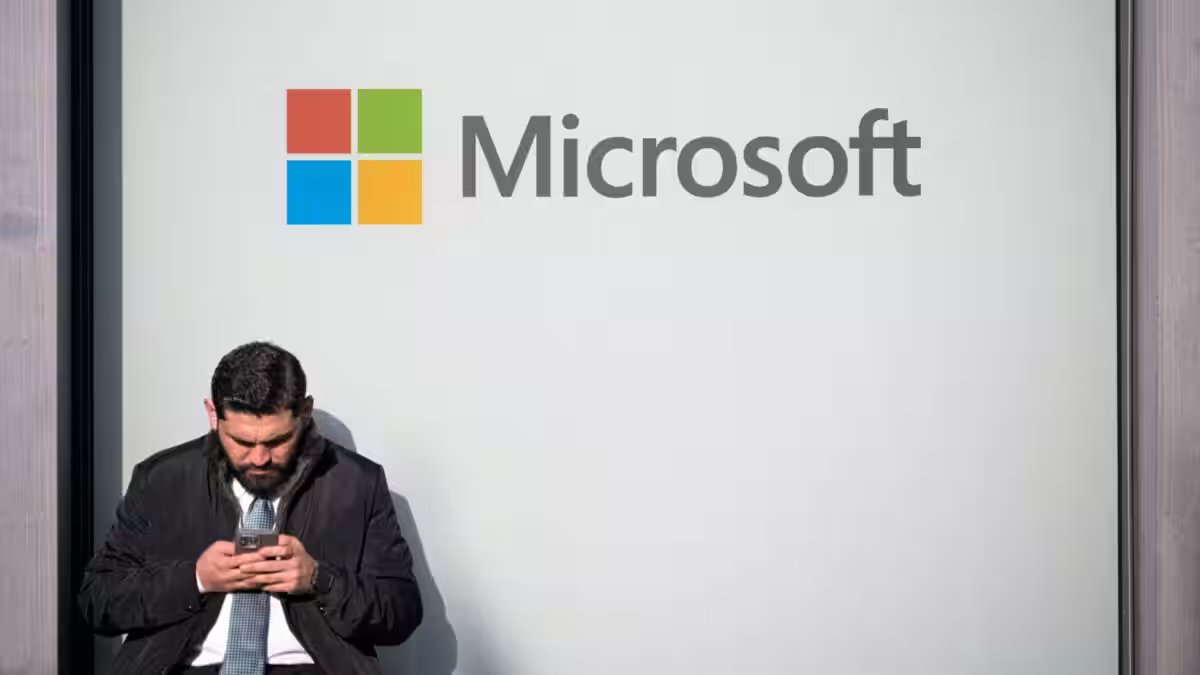

A reported $500 million Azure deal could give ByteDance access to OpenAI models, prompting US lawmakers to question Microsoft’s role in China’s AI ambitions
A reported $500 million deal between Microsoft and China’s ByteDance that could give the Chinese technology company access to OpenAI’s artificial intelligence (AI) models through Microsoft’s Azure cloud platform has come under scrutiny in Washington.
The US House Select Committee on China has asked Microsoft to brief lawmakers on the potential arrangement, citing concerns that American technology companies could help China strengthen its AI capabilities and narrow its gap with the United States. Technology news outlet The Information reported that Microsoft was nearing a deal that would allow ByteDance, the parent company of TikTok, to use OpenAI models through its Azure cloud services.
John Moolenaar, chairman of the House Select Committee on China, said the panel wanted more details about the proposed agreement amid concerns over US companies helping China catch up in the global AI race.
“Microsoft should not sell AI tools to ByteDance,” Moolenaar said in a statement. He added that leading American technology companies should not be “playing both sides” of the US-China AI race.
The Michigan Republican also questioned the arrangement given Microsoft’s role as a contractor for the US Department of Defense.
 More from Business
Why is the Microsoft-ByteDance deal raising concerns?
The reported agreement has brought attention to a gap between OpenAI’s restrictions on Chinese customers and Microsoft’s ability to commercially distribute its AI models.
OpenAI restricts most Chinese companies from directly accessing its AI services. Microsoft, however, has the commercial rights to sell OpenAI’s technology through Azure and does not impose the same restrictions, The Information reported.
The potential arrangement is also significant because OpenAI has raised concerns with Microsoft about Chinese companies allegedly using its AI models to develop competing systems through a process known as distillation.
AI distillation involves using the outputs of an existing AI model to train or improve another model. It can help developers replicate some of the capabilities of more advanced systems without making the same investment in developing them from scratch.
The Information reported that OpenAI had complained to Microsoft in recent months about Chinese companies using its models in this manner.
However, Microsoft executives have told OpenAI that they have not found evidence of ByteDance using its models for distillation. The Chinese company is primarily using the models for tasks such as software development, according to people familiar with Microsoft’s findings cited by The Information.
Is Microsoft pursuing AI deals with other Chinese companies?
ByteDance is not the only Chinese company that Microsoft is reportedly seeking to serve through its Azure platform.
The Information reported that Microsoft was also pursuing arrangements to sell OpenAI models to other Chinese businesses, including Alibaba.
The discussions come amid growing scrutiny of American technology companies’ commercial relationships with China. Washington has repeatedly stressed the need to maintain its lead in advanced AI development, with access to computing infrastructure, semiconductor technology and advanced AI models emerging as key areas of competition.
Recent media reports involving former Nvidia chief executive Jensen Huang and an alleged Chinese intelligence operative have further intensified scrutiny of technology business ties.
(With inputs from agencies.)