


GST Council approves a slew of procedural and enforcement reforms, including simplified registration for small e-commerce sellers, stronger protection for genuine taxpayers and a higher prosecution threshold
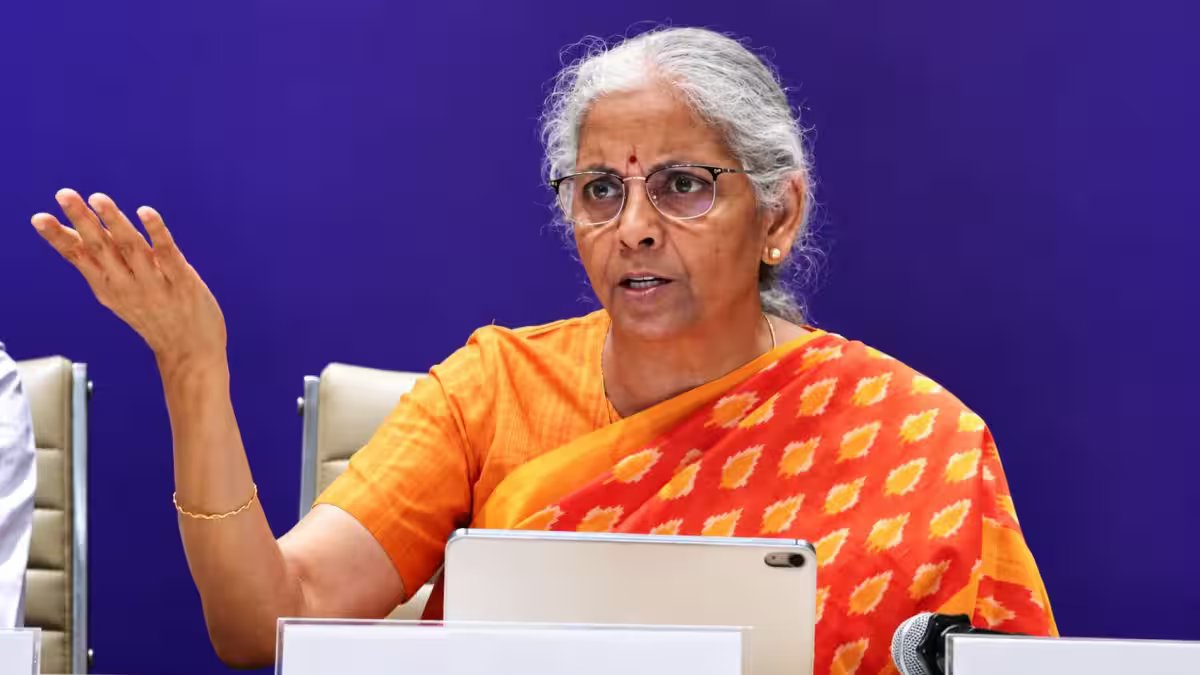
The 57th GST Council meeting on Thursday saw no discussion on merchant discount rate (MDR), Finance Minister Nirmala Sitharaman said, as the Council cleared a series of GST enforcement and process reforms that will come into effect from April 1, 2027.
Sitharaman said the meeting had reached agreement on all agenda items except two, for which committees have been constituted to examine the issues and report back within three months. A GST Council meeting will be held immediately after the committees submit their recommendations.
“All the agenda items of today in the process reform will be implemented from 1st April 2027,” Sitharaman said.
Faceless GST administration
The government also intends to introduce faceless tax administration under Central GST, Sitharaman said, as part of efforts to reduce physical interface between taxpayers and tax officials and streamline compliance.
The Council also recommended common standards for GST notices and proceedings, aimed at bringing greater uniformity to the administration of the indirect tax regime across jurisdictions.
Protection for genuine taxpayers
One of the key reforms discussed was an amendment to Section 162C of the CGST Act, aimed at protecting genuine taxpayers from losing input tax credit (ITC) because of defaults elsewhere in the supply chain.
 More from Business
Under the existing framework, ITC passed on to a genuine taxpayer could be blocked or reversed if another supplier in the value chain failed to deposit the tax or was found to have passed on fake ITC.
The proposed changes seek to provide greater protection to honest buyers who have complied with GST requirements.
Simplified GST registration for small e-commerce sellers
The Council also approved a simplified GST registration mechanism for small sellers operating through e-commerce platforms.
The reform will allow eligible small sellers to operate without having to establish a place of business in every state, easing compliance requirements for businesses selling across state borders through online platforms.
The measure is part of the broader package of process reforms aimed at reducing the compliance burden on MSMEs, small businesses and e-commerce sellers.
Prosecution threshold raised to Rs 5 crore
The Council also approved changes to GST enforcement provisions, including raising the prosecution threshold from Rs 1 crore to Rs 5 crore.
The reforms also include curbs on GST officers’ arrest powers in specified cases, as the government seeks to make enforcement more proportionate while improving compliance.
The 57th GST Council meeting was chaired by Union Finance Minister Nirmala Sitharaman in New Delhi.
Chief Ministers of Delhi, Goa, Haryana, Jammu & Kashmir, Karnataka, Kerala, Maharashtra and Meghalaya attended the meeting, along with Deputy Chief Ministers of Manipur and Telangana. Finance ministers and senior representatives from other states and Union Territories also participated.
No MDR discussion
Clarifying speculation around merchant discount rate (MDR), Sitharaman said there was no discussion on MDR at the 57th GST Council meeting.