
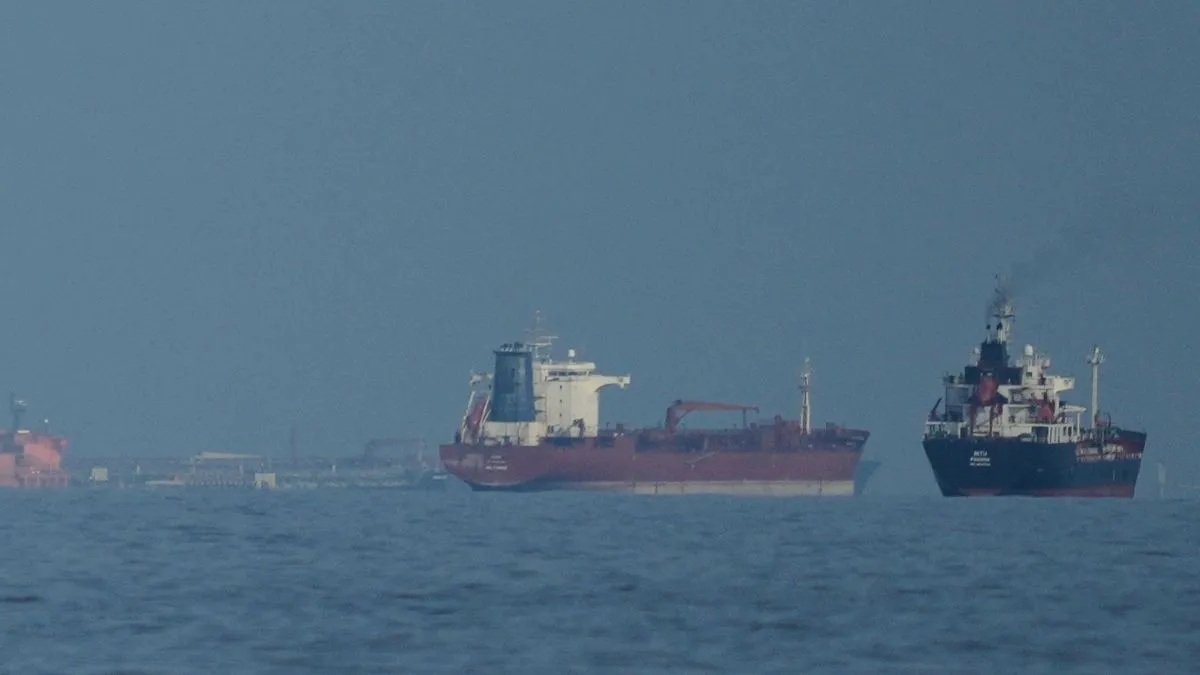

Iran has ruled out reopening the Strait of Hormuz or returning to the previous format of negotiations with the United States until Washington meets conditions laid down by Tehran, Iranian Parliament Speaker Mohammad Bagher Ghalibaf said on Sunday. Ghalibaf said Iran had already communicated its demands to the US through intermediaries and would not change its position until those conditions were fulfilled. His remarks came as tensions between Tehran and Washington continued to rise, with the strategic Strait of Hormuz at the centre of the confrontation.
“Our messages and conditions have been conveyed explicitly to the other side through intermediaries… And until these conditions are met, the inalienable rights of the Iranian nation are recognised, and the Americans fulfil their commitments, there will be no possibility of a return to the previous negotiation framework or to reopen the Strait of Hormuz,” Ghalibaf said.
What are Iran’s conditions for talks with US?
Iranian Supreme National Security Council Secretary Mohsen Rezaei said Tehran had conveyed seven conditions to Washington for restarting negotiations, with Qatar acting as an intermediary. While all seven conditions have not been publicly detailed, Rezaei identified three key demands in comments reported by Al Jazeera. Tehran is seeking an end to hostilities on all fronts, the release of frozen Iranian funds and the lifting of the US naval blockade.
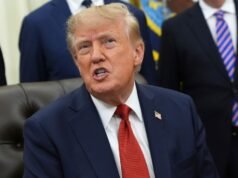
Rezaei said Qatar had passed Iran’s conditions to Washington and that Tehran was waiting for a response from US President Donald Trump. The developments suggest that diplomatic channels remain open, but Iran is insisting that any fresh talks must be based on terms acceptable to Tehran.
Why Strait of Hormuz has become a major flashpoint
The Strait of Hormuz is a crucial maritime passage connecting the Persian Gulf with the Gulf of Oman and the wider Arabian Sea. Any prolonged disruption to shipping through the waterway can have implications for energy supplies, shipping and global markets. Iran’s refusal to reopen the strait comes as the United States continues efforts to enforce its naval blockade on maritime traffic entering and leaving Iranian ports.
US Central Command said on September 20 that its forces had redirected 109 commercial vessels as part of efforts to ensure compliance with the blockade. The figure adds another layer to the growing confrontation over maritime traffic in and around the waterway. The Strait of Hormuz has therefore become both a military and diplomatic pressure point, with Tehran using access to the waterway as leverage while Washington seeks to maintain maritime restrictions and the movement of commercial shipping.
Iran issues fresh warning to Washington
Alongside the diplomatic message, Iran’s Khatam al-Anbiya Central Headquarters issued a warning against any renewed US military action. The Iranian military command said any US attack would be met with retaliation against American bases and interests across the region. It also warned countries in the region against assisting a potential US military operation against Iran. “Should the United States make any mistake against the Islamic Republic of Iran, all its bases and interests in the region will be targeted in continuous, effective and painful attacks without any limitation or consideration,” the statement said.
Iran’s warning came amid reports that Washington was considering its next steps in the confrontation. The statements from Tehran indicate that a fresh military escalation could widen the conflict beyond Iran and the United States to American facilities and interests elsewhere in the region.
Trump keeps diplomacy option open
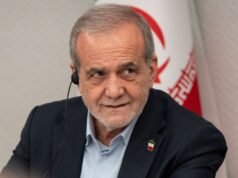
Despite the escalating rhetoric, the possibility of renewed US-Iran diplomacy has not completely disappeared. Trump has warned Tehran of severe consequences if Iran refuses to change its behaviour. At the same time, he has indicated that he could be open to meeting Iranian President Masoud Pezeshkian during the UN General Assembly in New York. The mixed signals reflect the uncertainty surrounding the next phase of the confrontation. Washington continues to apply military and economic pressure, while Iranian officials have publicly insisted that Tehran will not return to the earlier negotiating framework without its conditions being addressed.
UN General Assembly puts diplomacy in focus
The latest developments come as world leaders gather in New York for the UN General Assembly. The timing gives both sides an opportunity for diplomatic engagement even as military tensions remain high. Iranian Foreign Minister Abbas Araghchi has travelled to New York with a diplomatic delegation, while Trump has signalled openness to meeting Pezeshkian. However, Tehran’s latest position on the Strait of Hormuz makes clear that any diplomatic breakthrough would face significant conditions. For now, Iran is maintaining its position that the waterway will not be reopened and the previous negotiation framework will not be restored until Washington addresses Tehran’s demands and fulfils what Iran describes as its commitments.
(With inputs from ANI)
Also Read:
Iran’s President Masoud Pezeshkian likely to travel to New York for UNGA: Reports